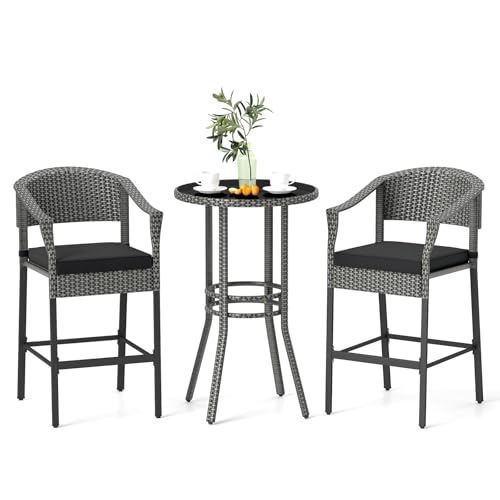
Outdoor Wicker Dining Table with Glass Top
A practical buying guide covering frame construction, tempered glass, seating capacity, and care — everything you need to choose the right wicker dining table for your patio before you commit.
Explore Buying CriteriaWhy Wicker and Glass Make a Strong Pair
An outdoor wicker dining table with a glass top combines two proven materials. The wicker weave wraps a rigid frame and delivers the warm, textured look that defines patio dining areas. The glass top adds a smooth, easy-to-clean surface that handles plates, glasses, and serving dishes without staining. Together, they suit covered porches, screened lanais, and open decks in mild climates.
Wicker in outdoor furniture is not a single material. It refers to the woven technique, and the strands may be natural rattan, synthetic resin, or high-density polyethylene. Synthetic wicker dominates modern outdoor furniture because it resists moisture, UV fading, and rot far better than natural fibers. When you shop, confirm the weave material, because this determines how long the table holds its appearance.
The glass top also plays a structural role. A properly fitted tempered glass panel distributes weight across the table frame and creates a stable surface for dining. If you are still mapping out your overall patio dining arrangement, review broader guidance on outdoor dining planning before finalizing table size.
Buying Criteria That Matter Most
Shoppers at the research stage usually know they want a wicker dining table with a glass top. What they still need is a clear framework for comparing options. The criteria below separate durable, well-built tables from ones that only look good in a listing photo.
- Frame material: Powder-coated aluminum, high-grade steel, or wood. This determines weight, rust resistance, and long-term durability.
- Weave quality: Tight, uniform strands with no loose ends and UV-stabilized resin.
- Glass specification: Tempered glass with a polished edge and a supported fit inside the frame.
- Table dimensions: Length, width, and height matched to your dining area and the number of diners.
- Umbrella provision: A factory-cut hole with a reinforced collar if you plan to add shade.
- Assembly and access: Confirm that the packaged table fits your doorway, stairwell, or elevator.
Practical tip: Bring your patio measurements to the shopping stage. A table that fits the space but blocks walking routes creates daily friction. Leave at least 36 inches of clearance around the table for chairs to pull out comfortably.
Frame Materials Compared
The frame sits beneath the weave and does most of the structural work. Its material affects weight, rust resistance, and how the table behaves in wind and humidity. The comparison below uses universal quality tiers rather than any numeric figures.
| Frame Type | Tier Positioning | Best For | Watch Out For |
|---|---|---|---|
| Powder-coated aluminum | mid-range to premium | Humid climates, covered patios, frequent rearranging | Lightweight frames can shift in strong wind; check for weighted feet |
| High-grade steel | entry-level to mid-range | Sheltered porches and stable placements | Requires intact coating; chips expose steel to moisture |
| Solid wood core | premium to luxury | Design-focused spaces with overhead cover | Needs periodic sealing; not ideal for exposed rainy areas |
| Reinforced aluminum with commercial-grade weave | professional-grade | High-traffic family patios and rental properties | Heavier build; confirm delivery access |
Aluminum remains the most versatile choice for wicker dining tables because it will not rust and stays manageable to move. Steel frames feel solid and stable but depend on a flawless coating. Wood cores offer a refined look but demand more attention in wet conditions. If your priority is pairing the table with other woven seating, browse the full range of outdoor wicker chairs to coordinate weave color and strand thickness.
Glass Top Types and Safety
Not all glass tops are equal. The specification matters for safety, clarity, and how the surface handles heat and impact.
Tempered glass
Tempered glass is heat-treated so that it shatters into small, blunt fragments rather than sharp shards. It is the baseline expectation for an outdoor dining table. Reputable listings state the glass is tempered; if the description is silent, ask before you buy.
Tinted and frosted glass
Tinted glass reduces glare in bright sun and hides minor smudges. Frosted glass softens reflections and adds privacy to the surface, though it can show water spots more readily. Clear glass showcases the weave beneath and is the easiest to inspect for cracks.
Edge finishing and support
Polished edges reduce the chance of chipping during assembly and daily use. The glass should rest on a continuous lip or rubber gaskets rather than on a few contact points. A snug fit with a small expansion gap prevents stress cracks when the frame warms in direct sun.
Safety note: Never place a hot grill pan or open flame directly on the glass. Use trivets for serving dishes. Inspect the glass after storms and replace any panel with chips or cracks along the edge.
If you prefer a softer tabletop texture for a lounge arrangement instead, a wicker coffee table with glass top carries the same material logic into a lower format.
Sizes and Seating Capacity
Table size drives comfort more than any other factor. As a general rule, allow about 24 inches of table edge per diner. That leaves room for a place setting, a glass, and elbow space.
| Shape | Typical Seating | Best For | Space Consideration |
|---|---|---|---|
| Round | 4 diners | Compact patios and square footprints | Good circulation with no corners to navigate |
| Rectangular | 6 diners | Family meals and covered porches | Needs length; confirm chair pull-out clearance at both ends |
| Oval | 6 to 8 diners | Long, narrow decks | Soft corners ease movement; check umbrella placement |
Height also matters. Standard dining height suits most households and pairs with regular dining chairs. Bar-height wicker sets create a more casual, elevated feel but require matching stool heights. If your layout leans toward a bar setup, compare the wicker bar-height table and chairs format before deciding.
Shape choice should also account for the rest of the patio. A rectangular table can anchor a long porch, while a round table keeps flow open in smaller spaces. For compact balconies and tight corners, the layout ideas in the small patio design guide help you place dining furniture without crowding.
Umbrella Compatibility
Shade changes how often you use a dining table. If the table sits in direct afternoon sun, an umbrella is close to essential. A wicker dining table with an umbrella hole includes a factory-cut opening and a reinforced collar that supports the pole. That design is safer than retrofitting an opening after purchase.
Glass-topped tables with umbrella holes typically use a metal or resin collar to spread load around the opening. Confirm the hole diameter matches common umbrella pole sizes, and consider a weighted base placed under the table. For shade options that fit dining setups, explore patio umbrellas and compare canopy sizes before committing.
If you want shade without a center pole, cantilever umbrellas are an alternative, but they require their own weighted base and side clearance. Either way, plan shade before you finalize the table, not after.
Maintenance and Seasonal Care
A wicker dining table with glass top is easy to live with when you follow a simple routine. Most wear comes from UV exposure, standing water, and grit trapped in the weave.
- Weekly: Wipe the glass with a soft cloth and mild soap. Rinse the weave with a garden hose and let it air dry.
- Monthly: Brush the weave with a soft-bristled brush to lift dust from recesses. Check the glass edge for chips.
- Seasonally: Tighten frame fasteners, inspect the coating for chips, and clean the underside of the glass lip.
- Before winter: Remove the glass if the manufacturer allows it, or cover the table with a breathable fitted cover. Store cushions separately.
Storage choices affect longevity. Cushions left out through wet months trap moisture against the weave. A waterproof storage box for cushions keeps them dry and reduces mold risk. If you prefer vertical storage for smaller items, an waterproof vertical storage cabinet is a practical addition near the dining area.
Check the frame coating each season. Small chips on a steel frame are an entry point for rust; touch them up promptly. Aluminum frames tolerate chips better but still benefit from periodic inspection. For a broader seasonal routine, the weatherproofing guide covers covers, sealants, and storage schedules in more detail.
Common Buying Mistakes
Ignoring the weave material
Natural rattan and synthetic resin look similar online but behave very differently outdoors. Confirm the material before ordering.
Underestimating glass care
Glass is easy to clean but sensitive to edge impact. Avoid dragging chairs or heavy objects across the rim during assembly.
Skipping the clearance check
A table can fit the footprint yet leave no room to pull chairs out. Measure circulation space, not just table size.
Buying shade later
Adding an umbrella hole after purchase is not practical with glass tops. Decide on shade before you choose the table.
Overlooking delivery access
Large rectangular tables ship in long cartons. Confirm the package dimensions clear your entryway and stairwell.
Mismatching chair heights
Standard dining height, counter height, and bar height are distinct. Match chairs to the table's height category.
Frequently Asked Questions
Is a glass top suitable for an outdoor wicker dining table?
Yes, tempered glass tops are a common pairing with wicker dining tables. Tempered glass resists thermal stress and shatters into small, blunt pieces if broken. Choose a table with a supported glass top and a rim or gasket to reduce edge stress.
How many people can a wicker dining table with glass top seat?
Seating depends on table dimensions and shape. Round tables typically seat four, while rectangular tables in the mid-range or premium tier often seat six to eight. Allow roughly 24 inches of table edge per person for comfortable dining.
How do I protect the glass top during winter?
Store the table under a fitted cover or move it to a sheltered area. Avoid stacking heavy items directly on the glass. Remove cushions and store them in a waterproof storage box or cabinet.
Does a glass top work with a patio umbrella?
Only if the table is designed with an umbrella hole and a reinforced collar. A wicker dining table with an umbrella hole is the safer choice for shade. Never cut a hole into a glass top after purchase.
Ready to Compare Wicker Dining Tables?
Review the recommended models below to see frame types, glass specifications, and seating options side by side before you decide.
View Recommendations