Painted Concrete Patio: A Complete Guide
Everything you need to know about painting a concrete patio — from surface preparation and coating selection to design ideas and long-term maintenance.
Why paint a concrete patio? A well-executed painted concrete patio can transform a plain, gray slab into a welcoming outdoor room. Paint hides stains, unifies the surface, adds color personality, and — when applied correctly — protects the concrete from moisture and UV exposure. This guide walks you through the practical decisions that separate a finish that lasts for seasons from one that peels within a year.
Understanding Your Concrete Patio Surface
Concrete is porous, alkaline, and expands and contracts with temperature changes. Those characteristics directly influence how a coating behaves. Before choosing a product, assess the condition of your patio:
- Age and curing: New concrete should cure for at least 28–30 days before coating. Painting too early traps moisture and leads to bubbling or peeling.
- Surface texture: Smooth, troweled finishes need a bonding profile. Broom-finished or slightly rough surfaces hold coating better but may require more product.
- Cracks and flaws: Hairline cracks should be filled with a concrete patching compound before any coating goes down. Structural cracks need professional evaluation.
- Moisture: Perform a simple moisture test — tape a plastic sheet to the surface for 24 hours. Condensation underneath indicates moisture vapor that will push coating off.
- Existing coatings: Old paint, sealers, or efflorescence must be removed. Coating over a failing layer guarantees premature failure.
If your patio is still in the planning stage, consider how the surrounding elements — shade, furniture, and drainage — will interact with your chosen finish. A shaded patio dries more slowly and may need a longer recoat window.
Coating Options Compared
Not all patio paints are the same. The right choice depends on foot traffic, climate, and the look you want. Here is how the main categories compare:
| Tier | Category | Best For | Notable Traits |
|---|---|---|---|
| Entry-level | Standard acrylic concrete paint | Light-traffic patios, quick refreshes | Easy application, broad color range, requires frequent recoating |
| Mid-range | Acrylic-latex with epoxy additive | Family patios, moderate traffic | Improved adhesion and stain resistance, good balance of durability and workability |
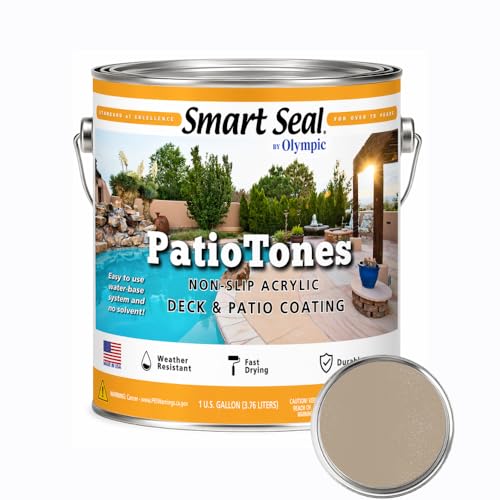
| Premium | Water-based epoxy coating | High-traffic entertainment areas | Excellent chemical and abrasion resistance, longer service life, needs careful prep |
| Luxury | Solvent-based epoxy or polyaspartic | Commercial-grade or decorative showpiece patios | Superior UV stability, fast cure, professional-grade durability |
| Top-tier | Decorative overlay systems (stamped, stained, textured) | Design-forward patios seeking a masonry look | Simulates stone, tile, or brick; often paired with a protective topcoat |
Editorial note: Entry-level acrylics are fine for a seasonal refresh, but a mid-range epoxy-enhanced coating usually offers better long-term efficiency for a family patio. If your patio hosts frequent gatherings, a premium water-based epoxy is the sweet spot between workability and resilience.
Step-by-Step Surface Preparation
Preparation accounts for most of a successful painted concrete patio. Skipping steps here is the number one reason coatings fail.
- Clear and clean: Remove all furniture, planters, and debris. Sweep thoroughly, then wash with a concrete cleaner or a degreaser. Rinse and allow to dry completely.
- Test for moisture: Tape a 2×2 ft plastic sheet to the surface for 24 hours. If condensation forms, address moisture before coating.
- Etch the surface: Use a concrete etching solution (or a grinder for stubborn areas) to open the pores and create a bonding profile. Rinse thoroughly and neutralize according to product directions.
- Repair cracks and pits: Fill cracks with a concrete patching compound. Feather the edges and sand smooth once cured.
- Remove old coatings: Strip any failing paint or sealer with a chemical stripper or mechanical sander. Do not coat over a compromised layer.
- Prime: Apply a concrete bonding primer designed for your chosen topcoat. This step is non-negotiable for adhesion.
- Apply the coating: Use a roller for large areas and a brush for edges. Apply in thin, even coats — typically two coats with a 4–6 hour recoat window depending on the product.
- Cure and protect: Allow full cure (often 24–72 hours) before placing furniture. Consider a clear topcoat for added UV and abrasion protection.
Design Ideas for Painted Concrete Patios
Color and pattern can make a plain slab feel intentional. These approaches work well across different home styles:
1. Earthy neutrals for a natural look
Warm taupe, sand, and sage tones blend with landscaping and wicker furniture. Pair with wooden side tables and natural fiber seating for a grounded, organic feel.
2. Painted borders and geometric patterns
Use painter's tape to create a border or a large-scale geometric motif. A simple border frames the patio and visually expands the space. Geometric patterns suit modern and coastal styles.
3. Faux tile or stone finishes
Stenciled or stamped overlays simulate the look of pavers or flagstone at a fraction of the installation effort. This approach pairs beautifully with wicker dining tables and cohesive outdoor rugs.
4. Color-blocked zones
Define a dining zone and a lounging zone with two complementary colors. This works especially well on long, narrow patios and helps organize furniture placement.
5. Soft, light tones for small spaces
Light grays, warm whites, and pale blues reflect sunlight and make compact patios feel larger. Pair with a patio umbrella in a contrasting shade for visual interest.
Maintenance and Long-Term Care
A painted concrete patio is not maintenance-free, but care is straightforward:
- Routine cleaning: Sweep weekly and wash with mild soap and water monthly. Avoid harsh chemical cleaners that degrade the coating.
- Spot repairs: Touch up chips and scuffs promptly with matching paint to prevent moisture intrusion.
- Seasonal inspection: Check for peeling or bubbling at the start of each season. Address small issues before they spread.
- Furniture protection: Use furniture pads under heavy pieces to prevent abrasion. Store cushions in an outdoor waterproof storage box for cushions during off-season.
- Snow and ice: Avoid metal shovels that scratch the finish. Use a plastic snow shovel and avoid de-icing salts where possible.
If your patio is exposed to harsh sun, a UV-stable topcoat can extend the color life significantly. For patios near trees, keep leaf litter cleared to prevent tannin staining.
Common Mistakes to Avoid
- Painting over moisture: Trapped moisture is the leading cause of peeling. Always test and address drainage first.
- Skipping etching: Smooth concrete needs a mechanical or chemical profile for coating adhesion.
- Applying too thick: Thick coats dry unevenly, trap solvents, and peel. Thin, even layers are always better.
- Ignoring temperature: Most coatings require application between 50°F and 85°F with low humidity. Check the label.
- Using interior paint: Interior paints lack UV and moisture resistance for outdoor concrete.
- Neglecting cure time: Walking on or placing furniture too early ruins the finish. Respect the full cure window.
Frequently Asked Questions
How long does a painted concrete patio last?
Service life depends on the coating tier and traffic. Entry-level acrylics may need recoating every 2–3 seasons, while premium epoxy systems can last 5–8 years or more with proper prep and maintenance.
Can I paint over an existing painted patio?
Only if the existing coating is well-bonded and clean. Test adhesion by pressing tape onto the surface and pulling it off. If paint lifts, strip the old layer before recoating.
Is painted concrete slippery when wet?
Smooth painted surfaces can be slippery. Choose a coating with a non-slip additive or apply a clear anti-slip topcoat, especially around pool areas and steps.
What is the best time of year to paint a concrete patio?
Late spring through early fall is ideal in most climates — warm, dry conditions help the coating cure evenly. Avoid painting before rain or during extreme heat.
Do I need a primer?
Yes, for most coatings. A concrete bonding primer improves adhesion and helps block moisture vapor. Some premium epoxy systems include a primer step in their system — follow the manufacturer's directions.
Ready to Refresh Your Patio?
Explore our curated selection of patio products below to complement your newly painted concrete surface — from seating and shade to storage and decor.