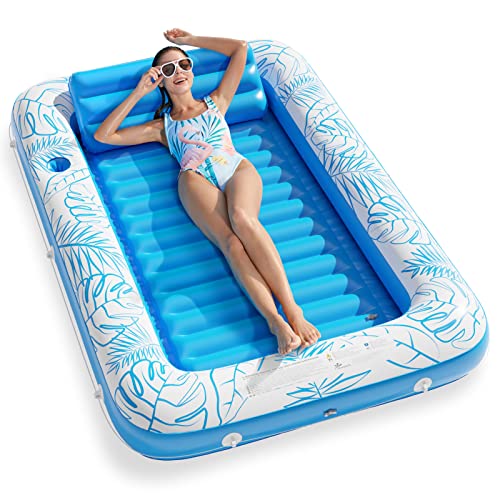
Pool Floats for Tanning: The Complete Buying Guide
Everything you need to choose a tanning float that supports your body, suits your pool, and lasts season after season — explained clearly so you can buy with confidence.
Why this guide exists: If you are researching pool floats for tanning, you already know what you want — a comfortable, stable float that lets you relax in the sun. What most shoppers still need is clarity on materials, float styles, stability, and durability. This guide breaks those factors down in plain language so you can compare options and make a confident decision.
What Makes a Pool Float Good for Tanning?
Not every float is designed for long, relaxed sun sessions. A tanning float needs to support a reclined posture, stay stable in calm water, and feel comfortable against bare skin. The best options balance buoyancy, ergonomics, and material quality.
- Reclined backrest: A chaise-style or lounger design lets you lie back comfortably rather than sitting upright.
- Stable base: Wide, balanced construction reduces tipping when you shift position.
- Comfortable surface: Mesh centers and smooth vinyl reduce sticking and heat buildup.
- Durable materials: Heavy-duty vinyl, reinforced seams, and UV-resistant coatings extend lifespan.
- Appropriate size: A float that matches your body length and pool dimensions performs best.
Types of Tanning Floats Compared
Tanning floats generally fall into a few recognizable categories. Understanding how they differ helps you narrow your shortlist before comparing specific models.
Chaise-Style Pool Loungers
These resemble a floating lounge chair with an inclined backrest and extended leg area. They are the most popular choice for tanning because they mimic a poolside chaise while keeping you in the water. Many models include cup holders, headrests, and adjustable recline positions. For a closer look at this category, see our guide to pool chaise lounges.
Pool Beds and Flat Loungers
A pool bed offers a flatter, more open surface that lets you stretch out fully. They suit tanners who prefer lying flat rather than reclining. Pool beds often work well in larger pools where there is room to drift.
In-Water Chairs and Seats
For tanners who like to sit partially submerged, an in-water chair provides upright support with partial sun exposure. These are less about full-body tanning and more about relaxed social time in the pool. Explore in-water pool chairs if this style appeals to you.
Inflatable Pool Loungers
Classic inflatable loungers are lightweight, easy to store, and available in many shapes. They range from simple entry-level designs to feature-rich premium models. Our overview of inflatable pool loungers covers the key differences.
Materials and Construction: What to Look For
The material determines how a float feels, how long it lasts, and how well it handles sun and chlorine exposure. Here is how the main options compare.
| Material | Best For | Key Characteristics |
|---|---|---|
| Heavy-duty vinyl | Long sessions and frequent use | Durable construction, strong buoyancy, easy to clean, widely available |
| Mesh-centered fabric | Hot climates and cooling comfort | Water passes through, drains quickly, stays cooler against skin |
| Fabric-covered inflatables | Premium comfort and a softer feel | Fabric sleeve over an inflatable core, comfortable texture, refined appearance |
| Foam-core floats | Stability and no inflation required | Solid buoyancy, puncture-resistant, heavier to store and transport |
Quality Tiers: A Practical Way to Compare
Because product positioning varies widely, it helps to think in quality tiers rather than specific figures. Use these descriptors to frame your comparison consistently.
Starter Tier
Basic inflatable loungers with simple construction. Suitable for occasional use and casual tanning sessions. Expect functional design and lighter materials.
Balanced Tier
Improved materials, reinforced seams, and added features such as headrests or cup holders. A solid choice for regular use and better long-term durability.
Top-Tier
High-grade vinyl or fabric covers, refined ergonomics, and thoughtful details. Designed for frequent use and extended comfort during long tanning sessions.
Stability and Safety Considerations
Stability matters more than most shoppers expect. A float that tips easily interrupts relaxation and can be frustrating to reboard. Look for wide bases, low centers of gravity, and balanced inflation chambers.
- Check the manufacturer's weight capacity and follow it.
- Prefer floats with multiple inflation chambers for backup buoyancy.
- Use floats in calm water and avoid rough conditions.
- Never treat a pool float as a life-saving device.
- Supervise children and non-swimmers at all times.
Matching Your Float to Your Pool
Pool size and shape influence which floats work best. In a compact pool, a shorter lounger or an upright in-water chair is easier to maneuver. Larger pools accommodate full-length loungers and pool beds without feeling crowded.
If you are also outfitting the surrounding deck, our guides to pool furniture and pool accessories can help you coordinate the full setup. For those who prefer dry lounging, pool lounge chairs and poolside loungers are worth reviewing alongside your float choice.
Care and Maintenance Tips
Proper care extends the life of any tanning float and keeps it looking good season after season.
- Rinse with fresh water after each use to remove chlorine and salt.
- Dry fully before deflating and storing to prevent mold and mildew.
- Store out of direct sunlight when not in use.
- Inflate to the recommended level — over-inflation stresses seams.
- Use a repair patch kit for minor punctures to extend usable life.
Frequently Asked Questions
What type of pool float is best for tanning?
A pool lounger with a reclined backrest and a mesh or open-center design is generally best for tanning because it supports a relaxed posture while allowing water and air to pass through. Chaise-style loungers and pool beds offer the most even exposure.
Are mesh pool floats better for tanning than solid vinyl floats?
Mesh floats keep you cooler and drain quickly, which many tanners prefer. Solid vinyl floats offer more buoyancy and durability but can feel warmer against the skin. The right choice depends on your comfort priorities.
How do I choose the right size pool float for tanning?
Match the float to your body length and your pool size. A float that is too large for a small pool restricts movement, while an undersized float provides poor support. Check the manufacturer's recommended weight and length guidance.
Can I use a tanning pool float in a lake or ocean?
Many pool floats work in calm lakes and sheltered ocean areas, but check the manufacturer's guidance. Floats designed for pools may not handle waves, currents, or rough surfaces well. Always follow local safety rules and never rely on a float as a life-saving device.
Ready to Compare Your Options?
Review the recommended tanning floats below, compare features side by side, and choose the model that fits your pool and your preferred tanning posture.
View Recommended Floats