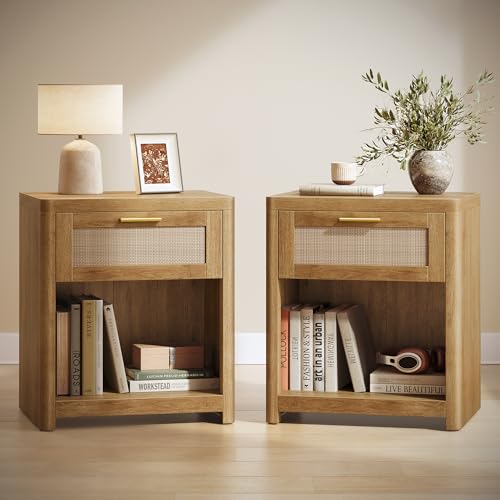
Rattan Side Tables: The Complete Buying Guide
Everything you need to know about choosing the perfect rattan side table for your patio, garden, or indoor space — materials, styles, sizing, and care tips.
EXPLORE THE GUIDEWhy rattan side tables? Rattan side tables bring natural texture, lightweight versatility, and timeless charm to any outdoor living space. Whether you are furnishing a cozy balcony or a sprawling patio, these accent pieces deliver both function and style — perfect for holding drinks, books, or decorative planters.
What Makes Rattan Side Tables a Smart Choice?
Rattan side tables have become a staple in outdoor and indoor design for good reason. Their woven construction offers a warm, organic aesthetic that complements nearly any decor style — from coastal and bohemian to modern and minimalist. Beyond looks, rattan is naturally lightweight yet surprisingly sturdy, making these tables easy to rearrange as your seating needs change.
Whether you are pairing a table with a rattan lounge chair on the patio or using one as a bedside accent next to a rattan night table, the versatility of rattan side tables is hard to match. They work equally well as standalone accent pieces or as part of a coordinated rattan patio set.
Materials: Natural Rattan vs. Synthetic Rattan
Understanding the difference between natural and synthetic rattan is the first step toward making an informed decision. Both have distinct advantages depending on your climate, usage, and maintenance preferences.
Natural Rattan
Natural rattan is harvested from climbing palm vines, primarily grown in Southeast Asia. It is valued for its authentic look, eco-friendly properties, and natural flexibility. Natural rattan side tables are best suited for covered patios, sunrooms, or indoor use where they are protected from prolonged moisture and direct sun exposure.
- Pros: Authentic texture, environmentally friendly, naturally durable when properly maintained
- Cons: Requires periodic sealing, susceptible to moisture damage, may fade in direct sunlight over time
- Best for: Covered porches, indoor spaces, dry climates
Synthetic Rattan (PE Rattan)
Synthetic rattan, also known as PE (polyethylene) rattan, is engineered to withstand the elements. It mimics the look of natural rattan while offering superior weather resistance. Most outdoor-rated rattan side tables on the market today use synthetic rattan wrapped around a powder-coated aluminum or steel frame.
- Pros: UV-resistant, waterproof, low maintenance, long-lasting color retention
- Cons: Less natural feel, may not biodegrade, can become brittle in extreme cold
- Best for: Uncovered patios, poolside areas, humid climates, year-round outdoor use
Pro Tip: Check the Frame Material
The frame beneath the weave matters as much as the rattan itself. Powder-coated aluminum frames resist rust and are lightweight, making them ideal for outdoor use. Steel frames offer greater strength but require rust-proof finishes. Avoid untreated metal frames that can corrode over time.
Popular Styles of Rattan Side Tables
Rattan side tables come in a variety of shapes and configurations to suit different spaces and design preferences. Here are the most common styles you will encounter:
Round Rattan Side Tables
Round tables soften angular furniture arrangements and work well in tight spaces. They are excellent companions to curved seating and can double as plant stands. Many round rattan side tables feature a glass or solid top for added stability.
Square and Rectangular Rattan Side Tables
These geometric options maximize surface area and fit neatly beside sofas, sectionals, and rattan couches. They are ideal when you need a bit more room for lamps, trays, or decorative objects.
Nesting Rattan Side Tables
Nesting tables offer flexible functionality — use them together for a layered look or separate them when guests need extra surface space. They are particularly useful in compact areas where versatility matters.
Rattan Side Tables with Storage
Some designs incorporate lower shelves or enclosed compartments, providing discreet storage for small items like sunscreen, reading glasses, or remote controls. These are especially handy on covered patios where you want to keep things tidy.
How to Choose the Right Size and Height
Size and proportion are critical for both aesthetics and function. Here is a simple guideline to follow:
- Height: The top of your side table should sit roughly level with or slightly below the armrest of the adjacent chair or sofa. This makes it comfortable to reach for a drink or set down a book.
- Diameter or Width: A round table with a 16 to 20 inch diameter is a versatile standard. For larger seating, consider 22 to 24 inch options. Square and rectangular tables typically range from 18 to 24 inches in width.
- Clearance: Allow at least 2 to 3 inches of space between the table and the furniture edge to avoid crowding.
If you are furnishing a complete seating area, our guide to rattan end tables covers complementary pieces that can tie the arrangement together. For a coordinated look, consider pairing your side table with a rattan round coffee table as a central anchor.
Durability and Weather Resistance
Rattan side tables vary significantly in their weather resistance depending on construction and materials. Here is a quick reference to help you evaluate options:
| Tier | Construction | Best For | Weather Exposure |
|---|---|---|---|
| Entry-Level | Thinner synthetic weave on lightweight frame | Covered balconies, occasional use | Sheltered areas only |
| Mid-Range | UV-stabilized PE rattan on aluminum frame | Patios, decks, seasonal outdoor use | Moderate exposure, recommended to cover in extreme weather |
| Premium | High-density PE rattan, reinforced frame, sealed finish | Full outdoor use, poolside, year-round exposure | Excellent weather resistance |
| Luxury | Hand-woven synthetic or treated natural rattan, commercial-grade frame | High-end residential and hospitality settings | Superior durability, designed for continuous outdoor use |
Regardless of tier, always check for UV-resistant coatings and rust-proof hardware. High-quality rattan side tables should withstand rain, sun, and temperature fluctuations without significant fading or structural degradation.
Design Tips: Styling Your Rattan Side Table
Rattan side tables are naturally versatile, but a few styling considerations can elevate their impact:
- Mix Textures: Pair rattan with smooth surfaces like glass, ceramic planters, or metal accents for visual contrast.
- Keep It Functional: Use a tray to corral small items like candles, coasters, and a small plant. This adds organization and visual interest.
- Scale Matters: A tiny table next to a large sofa will look lost. Balance the visual weight of your furniture with appropriately sized tables.
- Layer Lighting: A small table lamp or lantern on a rattan side table creates a warm, inviting evening ambiance.
For more inspiration on coordinating rattan pieces, explore our full collection of rattan outdoor furniture and rattan furniture guides.
Care and Maintenance
Proper care extends the life of your rattan side table and keeps it looking fresh season after season.
Routine Cleaning
- Wipe down the surface weekly with a damp cloth and mild soap.
- Use a soft-bristle brush to clean dust and debris from woven areas.
- Rinse with clean water and dry thoroughly with a towel or in the sun.
- Avoid abrasive cleaners, bleach, and high-pressure hoses.
Seasonal Protection
- Apply a UV protectant spray at the start of each outdoor season for synthetic rattan.
- For natural rattan, use a furniture-grade sealant annually to prevent drying and cracking.
- During winter or extended rainy periods, move tables to a covered area or use a fitted waterproof cover.
- Check for loose weave or frame damage after severe weather and address promptly.
Long-Term Storage
If storing your rattan side table for the off-season, clean and dry it completely before covering. Store in a dry, well-ventilated space. Avoid stacking heavy items on top, which can distort the weave.
Ready to Find Your Perfect Rattan Side Table?
Browse our curated selection of top-rated rattan side tables for every patio and budget tier.
VIEW RECOMMENDED PRODUCTSFrequently Asked Questions
Are rattan side tables suitable for outdoor use?
Yes, many rattan side tables are designed for outdoor use. Look for models made from synthetic rattan (PE rattan) with UV-resistant and weather-resistant coatings. Natural rattan can be used outdoors but requires more maintenance and protection from prolonged moisture.
How do I clean a rattan side table?
For routine cleaning, wipe the surface with a damp cloth and mild soap solution. Use a soft brush to reach into woven crevices. Rinse with clean water and dry thoroughly. Avoid harsh chemicals and high-pressure washing, which can damage the weave.
What size rattan side table should I choose?
The ideal size depends on your seating arrangement. A side table should be roughly the same height as the armrest of your chair or sofa. Common diameters range from 16 to 24 inches for round tables, while square or rectangular options vary in width. Measure your space and consider the scale of your existing furniture.
Can rattan side tables be used indoors?
Absolutely. Rattan side tables work beautifully indoors as accent pieces in living rooms, bedrooms, and sunrooms. Their natural texture adds warmth and character to interior spaces, making them versatile furniture pieces for both indoor and outdoor settings.
How do I protect a rattan side table during winter?
Store your rattan side table in a dry, covered area during harsh winter months, or use a fitted waterproof cover. Clean and dry the table thoroughly before storage. For natural rattan, apply a protective sealant before the winter season to prevent moisture damage.