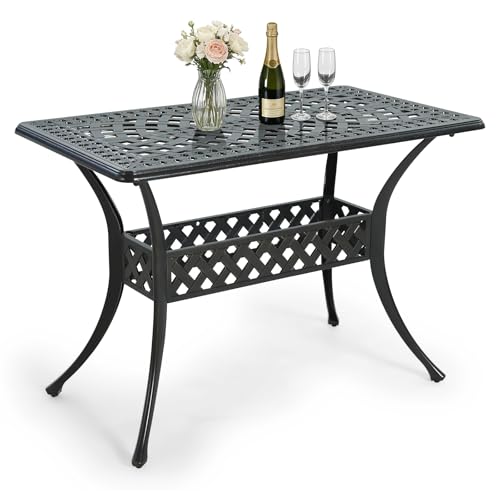
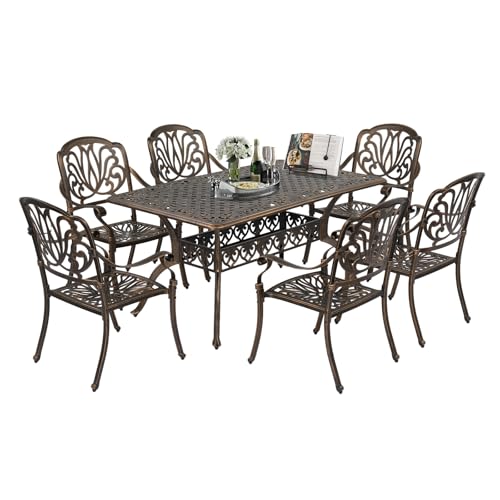
Rectangular Cast Aluminum Patio Dining Table: The Complete Buying Guide
Everything you need to know about choosing a rectangular cast aluminum patio dining table — from frame construction and finish quality to seating capacity, placement, and long-term care. Research first, decide with confidence.
Why this guide matters: A rectangular cast aluminum patio dining table is one of the most practical investments you can make for an outdoor space. It pairs the generous surface area families need for everyday meals with a metal frame that shrugs off rain, sun, and seasonal temperature swings. This guide explains what separates a durable table from a disappointing one, so you can evaluate listings with a critical eye and choose a model that will serve your household for many seasons.
Why Cast Aluminum Is a Smart Choice for Outdoor Dining
Cast aluminum is poured into a mold while molten, which allows manufacturers to create intricate decorative patterns — latticework, scroll details, floral motifs — that would be difficult and costly to produce in wrought iron or tubular steel. The result is furniture that looks refined and traditional while remaining surprisingly manageable to move around the patio.
The material's biggest practical advantage is corrosion resistance. Unlike steel, aluminum does not rust when exposed to moisture. A quality powder-coated finish adds a further barrier against the elements, UV fading, and minor scuffs. For homeowners in humid, rainy, or coastal regions, that combination is a meaningful long-term benefit compared with other metal options.
Weight is another consideration. Cast aluminum is substantially lighter than cast iron or solid steel of comparable size, so a rectangular table can be repositioned for cleaning, rearranged for gatherings, or shifted to chase shade without requiring a team of helpers. Many models are designed for straightforward assembly and can be moved by one or two adults.
Rust-Resistant
Aluminum naturally resists corrosion, and powder coating adds an extra protective layer against moisture and salt air.
Lightweight Yet Sturdy
Easier to reposition than iron or steel, while cast construction provides a solid, stable dining surface.
Decorative Detail
Casting allows ornate patterns and textured surfaces that elevate the look of a patio or deck.
Low Maintenance
Mild soap, water, and an occasional rinse are usually all that's needed to keep the finish looking fresh.
Anatomy of a Quality Rectangular Cast Aluminum Table
Not all cast aluminum tables are created equal. Two tables with similar silhouettes can differ dramatically in stability, finish durability, and lifespan. When reviewing product listings, focus on these structural details.
Frame Thickness and Cast Quality
Higher-quality castings are thicker and more uniform, with smooth edges and no visible pitting or bubbles. Thicker cast sections generally translate to a heavier, more stable table that resists wobbling on uneven patio surfaces. Look for descriptions that mention solid cast construction rather than hollow or stamped components.
Powder-Coated Finish
A powder-coated finish is applied electrostatically and cured under heat, producing a hard, even shell that outperforms conventional paint. It resists chipping, fading, and scratching far better. Premium and high-end tier tables typically use multi-step coating processes, sometimes with a primer layer beneath the color coat. If a listing is vague about finish, that is a signal to dig deeper.
Tabletop Design
Rectangular cast aluminum tabletops commonly come in three styles:
- Slat or plank tops — individual cast sections with gaps that allow rainwater to drain quickly.
- Solid patterned tops — continuous cast surfaces with embossed or lattice designs; these offer a smooth dining surface but can collect water if not slightly crowned.
- Umbrella-ready tops — feature a pre-drilled center hole (often with a plug) so you can add a patio umbrella for shade.
Consider how you'll use the table. If it will sit uncovered year-round, a slatted top drains better. If you entertain frequently and want a flat, easy-to-wipe surface, a solid patterned top may suit you better.
Legs, Braces, and Stability
Legs on cast aluminum tables are typically cast or tubular aluminum, often with adjustable glides at the base to compensate for slightly uneven patios. Cross-bracing beneath the tabletop and stretchers between legs add rigidity. On longer rectangular tables, check whether the frame includes a center support leg — this is especially important for tables seating six or more.
Umbrella Hole and Base Compatibility
Many rectangular cast aluminum dining tables include a 1.5- to 2-inch umbrella hole. If you plan to use an umbrella, confirm the hole diameter matches your pole and that the table's frame can accommodate a weighted base beneath it. Some tables are designed with a slightly raised center section to hold the umbrella more securely.
Choosing the Right Size and Seating Capacity
Rectangular tables are prized for efficient seating. A long, narrow footprint lets you place chairs along both sides and, on larger models, at the ends — maximizing guests without pushing anyone too far from the conversation. Use the table below as a general sizing reference, keeping in mind that chair style and armrests affect real-world comfort.
| Table Length | Typical Seating | Best For | Space Notes |
|---|---|---|---|
| 60 inches | 4–6 people | Couples, small families, compact patios | Fits well on balconies and smaller decks |
| 72 inches | 6 people | Everyday family dining, regular entertaining | Comfortable with chairs on both long sides |
| 84 inches | 6–8 people | Larger families, frequent gatherings | Consider a center support leg for stability |
| 96 inches and above | 8–10 people | Grand outdoor dining, extended patios | Allow generous clearance for chair pull-out |
As a rule of thumb, plan for about 24 inches of linear table edge per diner. Also leave roughly 36 inches between the table edge and any wall, railing, or planter so chairs can be pulled out comfortably. If your space is tight, a slightly shorter table paired with benches can be a space-efficient alternative — see our dining table set with chairs and bench overview for ideas.
Placement and Pairing on Your Patio
Where you place the table matters as much as what you place. A few practical guidelines:
- Anchor the dining zone. A rectangular table naturally defines an outdoor dining area. Place it near the kitchen door for easy serving, or near the grill for a natural cooking-to-dining flow.
- Consider sun exposure. If your patio gets intense afternoon sun, choose an umbrella-ready table or position it under a pergola, shade sail, or awning.
- Leave circulation space. Keep at least 30–36 inches of clearance around the table so people can walk behind seated guests.
- Coordinate with seating. Cast aluminum frames pair beautifully with a range of chair styles, including rattan chairs outdoor and wicker seating, provided the seat heights and table apron clearances match.
- Ground the area. An outdoor rug under the table helps define the zone and reduces chair scraping. For a wider look at metal options, see our metal patio furniture guide.
Cast Aluminum vs. Other Common Table Materials
Before committing to a rectangular cast aluminum table, it helps to understand how the material compares with alternatives. The comparison below focuses on construction and performance characteristics rather than any specific product.
| Material | Durability | Weather Resistance | Weight | Best For |
|---|---|---|---|---|
| Cast aluminum | High | Excellent — rust-resistant | Moderate | Year-round patios, coastal areas, decorative styles |
| Wrought iron / steel | High | Good if coated; can rust if chipped | Heavy | Traditional settings where portability is not needed |
| Teak / hardwood | High | Good with periodic sealing | Heavy | Natural, warm aesthetics; requires more maintenance |
| Resin / plastic | Moderate | Excellent — fully waterproof | Light | Entry-level and casual settings; limited decorative detail |
| Concrete / composite | Very high | Excellent | Very heavy | Permanent placements; modern and industrial looks |
Cast aluminum occupies a sweet spot: it offers the structural integrity and decorative flexibility of traditional metal furniture while remaining far easier to relocate than iron, steel, or concrete. If your primary concern is a modern, minimalist aesthetic, a metal outdoor dining table in a simpler design may appeal. If you prefer a wood-look finish without the maintenance, a metal outdoor table that looks like wood is worth exploring.
Care and Maintenance for Long-Term Performance
Cast aluminum is one of the lowest-maintenance outdoor furniture materials available, but a little routine attention goes a long way.
Routine Cleaning
Wipe the table with a solution of mild dish soap and warm water using a soft cloth or sponge. Rinse thoroughly and dry with a clean towel to prevent water spots. Avoid abrasive pads, steel wool, and harsh chemical cleaners, which can dull or scratch the powder-coated finish.
Seasonal Care
- Spring: Inspect the finish for chips or scratches and clean off winter residue. Touch up small chips with a matching touch-up coating if the manufacturer provides one.
- Summer: Rinse more frequently if your patio is near the coast, as salt deposits can build up. Ensure the umbrella hole remains clear if you use one.
- Fall: Clear fallen leaves and debris from the table surface and any slatted areas to prevent staining.
- Winter: If your region experiences harsh winters, consider storing the table indoors or covering it with a weatherproof outdoor furniture cover. Remove cushions and store them separately.
Cushion and Seat Care
While the table itself is the focus here, the chairs and cushions you pair with it also benefit from care. Waterproof outdoor furniture cushions are a practical upgrade for rainy climates, and proper cushion storage during off-seasons extends their useful life. For a broader maintenance overview, visit our weatherproofing guide.
What to Check Before You Buy
When comparing rectangular cast aluminum patio dining tables, use this checklist to evaluate listings efficiently:
- Confirmed material: Ensure the listing explicitly states cast aluminum, not stamped or tubular aluminum.
- Finish details: Look for powder-coated finishes with clear descriptions of the coating process and warranty coverage.
- Tabletop style: Decide between slatted, solid patterned, or umbrella-ready tops based on your climate and usage.
- Frame stability features: Check for cross-bracing, adjustable glides, and center support legs on larger models.
- Seating capacity: Confirm the stated capacity aligns with your household and how you entertain.
- Assembly requirements: Review whether tools are included and whether assembly requires two people.
- Warranty terms: A strong warranty signals manufacturer confidence in the frame and finish.
- Delivery and returns: Understand the return policy, especially for large items that may require freight shipping.
For general guidance on comparing listings and brands, our online retailer overview and materials guide are useful companions. If you're assembling a complete set, you may also want to explore outdoor dining set options or a metal outdoor table and chairs with umbrella for a coordinated look.
Frequently Asked Questions
Is a rectangular cast aluminum patio dining table suitable for coastal climates?
Yes. Cast aluminum resists rust far better than steel, and with a powder-coated finish it handles salt air well. Rinse it occasionally and inspect the coating for chips to keep it in top shape.
How many people can a rectangular cast aluminum dining table seat?
A 60-inch table typically seats four to six, a 72-inch table seats six, and an 84-inch table seats six to eight. Allow roughly 24 inches of linear space per person for comfortable dining.
Do cast aluminum tables get hot in direct sun?
Metal surfaces can warm up in strong sunlight, though lighter-colored powder-coated finishes stay noticeably cooler than dark ones. A patio umbrella through the table's umbrella hole helps a great deal.
How do I care for a cast aluminum patio dining table?
Wipe it with mild soap and water, rinse thoroughly, and dry it with a soft cloth. Avoid abrasive cleaners and steel wool. Use a fitted cover during long off-seasons and touch up any coating chips promptly.
Can I use an umbrella with a rectangular cast aluminum table?
Many models include a pre-drilled umbrella hole, usually 1.5 to 2 inches in diameter. Check the hole size matches your umbrella pole, and use a weighted base positioned beneath the table for stability.
Ready to Compare Rectangular Cast Aluminum Dining Tables?
Explore curated product options selected for construction quality, finish durability, and practical seating capacity. Review features side by side and choose the table that fits your patio and household.
Explore Top Picks