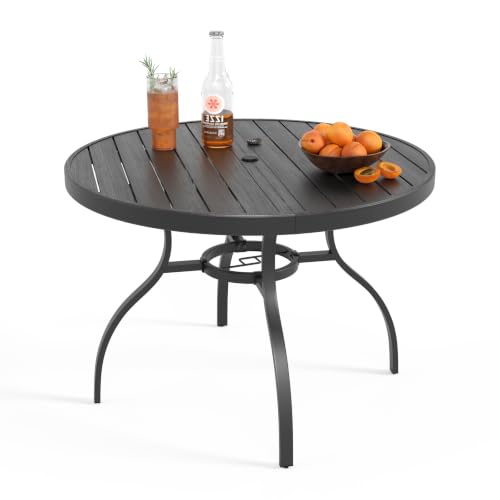
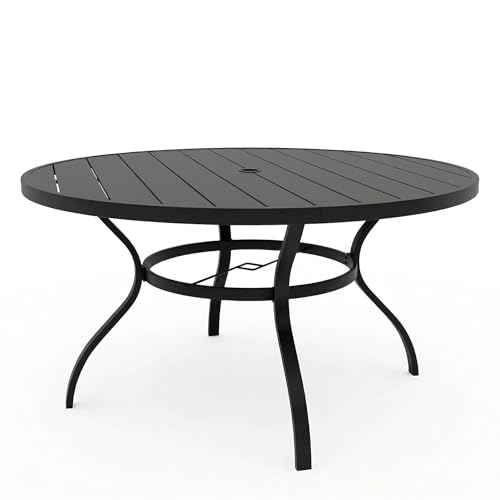
Round Metal Outdoor Table with Umbrella Hole: The Complete Buying Guide
A round metal table with a built-in umbrella hole is one of the most versatile anchors for an outdoor living space. It pairs compact dining with reliable shade, and metal construction handles sun, rain, and daily use far better than most alternatives. This guide walks you through every decision point — from frame material and finish to sizing, stability, and long-term care — so you can choose with confidence.
Who this guide is for: If you have already decided you want a round metal outdoor table with an umbrella hole but are unsure which specification suits your patio, this page is written for you. We explain what separates an entry-level table from a premium one, how to match table diameter to chair count, and which details quietly determine whether a table lasts one season or ten.
Why a Round Metal Table with an Umbrella Hole Works So Well
The circular shape is the unsung hero of patio dining. Everyone seated at a round table can see and talk to everyone else, and there is no awkward "head of the table" position. A round top also fits more naturally into small or irregular spaces than a rectangular table, because there are no sharp corners to navigate around walkways and doorways.
The umbrella hole turns the table into a shade station. Instead of buying a separate weighted base that eats floor space, the table itself anchors the umbrella pole through a reinforced collar. This keeps the canopy centered over the seating area and frees up room around the table for chairs and foot traffic. For anyone planning a sunny patio, this is the single most practical feature to look for.
Metal as a frame material brings its own advantages. Powder-coated aluminum and steel resist warping, do not absorb moisture like wood, and can be cleaned with a damp cloth. Compared with wicker or resin, a metal table generally offers a firmer, more stable dining surface and a cleaner, more contemporary look that suits modern, transitional, and even farmhouse patios.
Metal Frame Materials Compared
Not all metal is equal, and the frame material is the biggest factor in how long your table will look good. Here is how the main options compare across the market.
| Material | Market Tier | Best For | Key Trade-off |
|---|---|---|---|
| Powder-coated aluminum | Mid-range to premium | Year-round outdoor use, coastal areas | Lighter weight can feel less substantial in wind |
| Powder-coated steel | Entry-level to mid-range | Stable, heavy-duty dining on covered patios | Requires touch-up care if the coating chips |
| Cast aluminum | Premium to luxury | Traditional and ornate designs, long-term investment | Heavier to move and reposition |
| Wrought iron | Premium to luxury | Classic garden style, very windy sites | Needs periodic rust protection in wet climates |
| Stainless steel | High-end tier | Modern designs, humid or salty environments | Reflective finish can show fingerprints |
Aluminum is the default choice for most buyers because it is rust-resistant and relatively light, which matters if you like to move the table between sun and shade. Steel is heavier and often used in starter-tier tables; it is stable but demands more attention if the powder coating is scratched. Cast aluminum and wrought iron sit in the premium and luxury tiers, offering decorative detail and substantial weight that resists tipping. Stainless steel belongs to the high-end tier and is an excellent pick for coastal homes where salt air accelerates corrosion.
If you are also considering different top materials, our guide to a round glass patio table with umbrella hole explains where glass tops stand out and where metal tops win on durability.
Table Top Options: Solid Metal vs. Perforated vs. Slatted
The table top determines drainage, maintenance, and the feel of the dining surface.
- Solid metal top: The most stable surface for plates and glasses, with a clean modern look. It does not drain, so water pools after rain unless the surface has a slight crown.
- Perforated (mesh) top: Rainwater and crumbs fall straight through, making it the lowest-maintenance option. It is common on mid-range and premium aluminum tables.
- Slatted top: Classic and lighter than solid tops, with good drainage. Wide slat gaps can let small items fall through, but they dry quickly.
- Metal with stone or ceramic inset: Often found at the premium and luxury tiers, combining a metal frame with a heat-resistant insert for a more formal look.
Whichever top you choose, confirm that the umbrella hole is reinforced with a metal collar or grommet. A bare drilled hole can let water seep into a hollow top or cause the edge to corrode over time — a small detail that separates well-built tables from the rest.
Sizing: Matching Diameter to Seating and Space
Round tables are commonly offered in a few standard diameters. Use this as a starting framework, then adjust for your chair depth and available clearance.
| Table Diameter | Typical Seating | Best For | Space Notes |
|---|---|---|---|
| Small (bistro-scale) | 2 people | Balconies, breakfast corners, apartments | Works with a small umbrella or none at all |
| Medium (four-seat scale) | 3–4 people | Most residential patios | Leaves room for chairs on all sides |
| Large (six-seat scale) | 5–6 people | Family dining, larger decks | Needs a generous umbrella and wider clearance |
A practical rule is to allow roughly two feet of space per chair around the rim, plus enough walkway clearance behind the chairs so people can pull them out without bumping into walls or railings. If your space is tight, a round outdoor dining table set for 4 is a good reference point for how a full arrangement sits in a small footprint.
If you need a table at standing or bar height rather than dining height, the same principles apply but the footprint shrinks — see our notes on a round high-top patio table and chairs for bar-height layouts.
How the Umbrella Hole Affects Stability
The umbrella hole is more than a hole. When an umbrella is inserted, the table becomes the umbrella's stabilizer, so the table must be heavy enough and the collar strong enough to resist wind. Consider these points:
- Reinforced collar: Look for a metal ring or welded insert at the hole; this spreads the load and prevents the top from cracking.
- Frame weight: A heavier frame — cast aluminum, steel, or wrought iron — resists tipping better than a lightweight aluminum top on a thin frame.
- Umbrella base: Many round metal tables are designed to pair with a weighted base under the table. Confirm the base fits your frame's leg clearance.
- Wind exposure: On exposed decks, use a smaller canopy or a base weight rated for your local wind conditions, and close the umbrella when not in use.
If your priority is a fixed canopy rather than a loose umbrella, a table with a built-in shade or a dedicated shade structure may suit you better. Our comparison of a round outdoor dining table with fire pit shows how a central feature changes the seating and shade dynamic in the same footprint.
Design Styles for Round Metal Tables
Metal tables span a wide design range, so the frame style should match your patio's overall look.
- Modern and minimalist: Slim tubular aluminum legs with a perforated top create a clean silhouette that suits contemporary patios and small balconies.
- Classic and traditional: Cast aluminum or wrought iron with scrollwork and decorative legs, often paired with a stone-look top, suits cottage and garden settings.
- Farmhouse and transitional: A round metal top on a simple pedestal frame bridges rustic and modern, and works well with wooden chairs and neutral cushions.
- Industrial: Dark powder-coated steel with visible joints suits loft-style and urban outdoor spaces.
If you want to compare frame styles directly, our page on a round metal patio table with umbrella hole covers the most common residential configurations, while a round aluminum patio table with umbrella hole focuses on the lightweight option.
Care and Longevity: Keeping a Metal Table Looking New
Metal tables are low-maintenance, but a few habits extend their life significantly:
- Clean regularly: Wipe with mild soap and water; avoid abrasive pads that scratch the powder coating.
- Touch up chips: Small chips in the coating are the main entry point for rust on steel and iron. A matching touch-up paint keeps the finish intact.
- Store or cover in extreme weather: A fitted cover protects the table during off-season storage and reduces UV fading.
- Check the umbrella collar: Make sure the collar stays tight and free of debris so water drains properly through the hole.
- Winter care: On steel and iron frames, dry the table thoroughly before covering to prevent trapped moisture.
For a fuller seasonal routine, our weatherproofing guide covers covers, sealants, and storage practices for all outdoor furniture types.
Common Mistakes to Avoid
- Buying too small for the umbrella: A large canopy on a lightweight table can tip in wind; match canopy size to frame weight.
- Ignoring the hole diameter: Verify the hole accommodates your umbrella pole; most standard poles fit, but some larger canopies use thicker poles.
- Skipping the base: Even with a sturdy table, an umbrella base adds critical stability in gusty conditions.
- Overlooking chair clearance: Measure the diameter plus chair depth before ordering; a table that fits the patio may still crowd the walkway.
- Choosing a finish without checking the coating: Powder-coated finishes outperform bare or painted metal in outdoor settings.
Quick Selection Framework
Use this simple sequence to narrow your options:
- Measure the space: Note the diameter that leaves comfortable chair and walkway clearance.
- Pick the tier: Starter tier suits occasional use; mid-range and premium tiers suit daily family dining; luxury and commercial-grade tiers suit year-round or high-traffic settings.
- Choose the material: Aluminum for portability and rust resistance; steel or cast aluminum for weight and stability.
- Confirm the umbrella collar: Reinforced hole, compatible pole diameter, and a base that fits the frame.
- Match the top to your habits: Perforated or slatted for drainage; solid for a smooth dining surface.
If you are furnishing the whole dining zone, pair the table with replacement outdoor dining chair cushions for comfort, and consider an outdoor rug to define the space beneath the table.
Frequently Asked Questions
Does a round metal table with an umbrella hole need a separate base?
In most cases, yes. The table stabilizes the pole, but a weighted base under the table provides the tipping resistance that keeps the umbrella secure in wind. Check that the base's dimensions fit under your table's legs.
Is aluminum or steel better for an outdoor table?
Aluminum is lighter and naturally rust-resistant, making it easier to move and well suited to humid or coastal settings. Steel is heavier and more stable but relies on its powder coating for rust protection. Both are solid choices depending on your priorities.
What diameter do I need for four chairs?
Medium round tables sized for four seats are the most common residential choice. Measure your chairs' width and add clearance behind them so people can sit and stand comfortably.
Can I leave the umbrella up all the time?
It is best to close the umbrella when it is windy or when the table is not in use. Constant exposure stresses both the umbrella and the table collar, and wind gusts can tip a lightweight setup.
How do I stop rust on a steel table?
Touch up any coating chips promptly, dry the table before covering it, and use a fitted cover during long periods of disuse. Regular cleaning removes dirt that can trap moisture against the frame.
Ready to Choose Your Table?
You now have the full picture: frame material determines longevity, the umbrella collar determines shade performance, and diameter determines how comfortably your patio flows. Review the recommended options below to compare specifications side by side and find the round metal table with umbrella hole that fits your space.