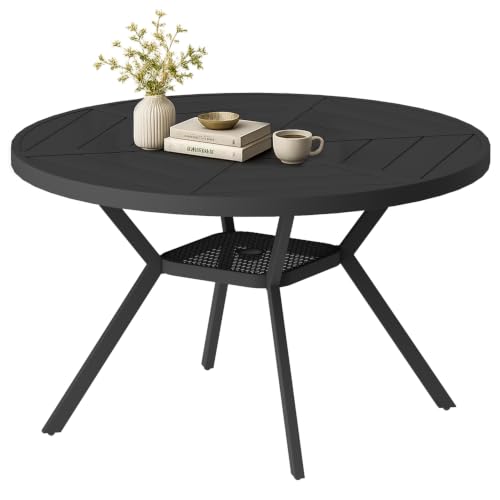
Round Resin Patio Table with Umbrella Hole: The Complete Buyer's Guide
Everything you need to know about choosing a durable, weather-resistant round resin patio table with an umbrella hole — materials, sizing, care, and design considerations for your outdoor space.
Why this table deserves your attention: A round resin patio table with an umbrella hole is one of the most practical outdoor furniture investments you can make. It combines the classic sociability of a round dining layout with the weather resilience of modern resin construction — plus the convenience of built-in shade. This guide walks you through everything buyers in the research stage need to make a confident decision.
What Is a Round Resin Patio Table with Umbrella Hole?
A round resin patio table with umbrella hole is an outdoor table molded from resin — typically high-density polyethylene (HDPE) or a polypropylene blend — featuring a pre-drilled center hole designed to accommodate a patio umbrella pole. This combination solves two common outdoor needs at once: a comfortable, social seating arrangement and reliable sun protection without needing a separate freestanding umbrella base.
Resin has become a dominant material in outdoor furniture for good reason. Unlike wood, it does not rot, splinter, or require annual sealing. Unlike bare metal, it will not rust. And unlike glass, it will not shatter under impact. This makes a round resin table an excellent fit for households that want a low-maintenance outdoor dining or leisure setup that can handle sun, rain, and the occasional bump.
The round shape itself is a meaningful design choice. Round tables encourage conversation, have no "head of table" hierarchy, and work well in compact spaces because there are no sharp corners to navigate around. When paired with the umbrella hole, the table becomes a natural focal point for everything from casual breakfasts to evening gatherings.
Why Choose Resin Over Other Materials?
Before diving into specifics, it helps to understand where resin sits among common patio table materials. Here is how a round resin patio table with umbrella hole compares to alternatives in terms of practical characteristics:
| Material | Weather Resistance | Maintenance | Weight / Mobility | Best For |
|---|---|---|---|---|
| Resin (HDPE) | Excellent — moisture, UV, and rot resistant | Very low — soap and water | Light to moderate; easy to reposition | Year-round outdoor use, low-maintenance households |
| Wood (teak, acacia) | Good, but requires sealing and care | Moderate to high — oiling, sanding | Heavy; difficult to move | Natural aesthetic, covered patios |
| Wrought iron / steel | Good with coating; prone to rust if chipped | Moderate — touch-up painting, rust checks | Heavy; very stable | Windy areas, classic design lovers |
| Aluminum | Excellent — rust-proof | Very low | Lightweight | Frequent rearranging, coastal climates |
| Glass top | Good, but fragile under impact | Moderate — streak-free cleaning | Varies by frame | Modern aesthetic, protected areas |
Resin's key advantage is that it delivers a strong combination of durability, low maintenance, and reasonable weight — which is exactly what most homeowners want from a table that lives outside permanently. For a deeper look at other round table options, see our guide to the round patio table category.
Key Features to Evaluate Before You Buy
1. Resin Quality and Density
Not all resin is created equal. Entry-level resin tables often use thinner, lower-density plastic that can fade, chalk, or become brittle after a few seasons of direct sun exposure. Mid-range and premium resin tables use high-density polyethylene with UV stabilizers molded into the material — not just applied as a surface coating. When shopping, look for descriptions such as "UV-resistant," "high-density resin," or "all-weather HDPE." These descriptors signal a table built to last.
A useful rule of thumb: a heavier, denser resin table generally signals a more robust build. If a table feels hollow and flexes under light pressure, it is likely an entry-level product. Premium resin furniture feels solid and has visible structural reinforcement at the legs and apron.
2. Umbrella Hole Diameter and Placement
Most round resin patio tables with umbrella holes feature a center hole between 1.5 and 2 inches in diameter, accommodating standard umbrella poles. Some premium tables include a removable plastic insert or a threaded collar that adapts to slightly different pole sizes. Confirm the hole diameter before purchasing an umbrella, and check whether the table includes a built-in umbrella support (sometimes called a "table ring" or "stabilizer").
Placement matters too. A centered hole is ideal for standard umbrellas, but some tables place the hole slightly off-center to allow for a larger shade footprint on one side. Consider your seating arrangement and sun direction when choosing. For comparison, our guide to the round patio table with umbrella hole covers umbrella compatibility in more depth.
3. Table Diameter and Seating Capacity
The right size depends on how many people you regularly seat and how much patio space you have. As a general guideline, allow roughly 24 inches of table diameter per person:
Typical Round Resin Table Sizes and Seating
- 42-inch diameter — comfortably seats 4; ideal for small patios, balconies, and breakfast nooks.
- 48-inch diameter — seats 4 to 6 depending on chair width; a versatile mid-size option for most households.
- 60-inch diameter — seats 6 to 8; best for larger patios and families who entertain regularly.
Remember to leave about 36 inches of clearance around the table for chairs to pull out comfortably. If your patio is tight, a smaller table with a well-placed umbrella often works better than an oversized table that crowds the space. Our article on round patio table for 6 with umbrella hole explores mid-size options in detail.
4. Leg Design and Stability
Round resin tables typically use one of three leg configurations: four straight legs, a pedestal base, or a tripod-style base. Four-leg designs offer excellent stability and a traditional look. Pedestal bases maximize legroom and are easier to clean under. Tripod designs are stable on uneven surfaces but can be less rigid than four-leg tables.
If your patio surface is uneven (gravel, pavers with wide joints, or a sloped deck), look for tables with adjustable feet or self-leveling glides. Stability is especially important when an umbrella is inserted, since the table and umbrella act as a single unit against wind.
5. Edge and Surface Finish
The tabletop edge should be smooth and rounded — no sharp seams or flashing from the molding process. A premium resin table will have a consistent, even finish with no visible mold lines. Textured surfaces hide scratches better than glossy ones, and they also provide a bit more grip for plates and glasses.
Some resin tables are designed with a slatted or perforated top to allow rain to drain. Others have a solid surface with a slight crown to shed water. Both work well; the choice comes down to personal preference and how much debris (leaves, pollen) tends to accumulate in your area.
Tier Guide: What to Expect at Each Quality Level
To make comparison easier, here is how round resin patio tables with umbrella holes typically differ across quality tiers. This classification focuses on construction and features, not on any numeric figure:
| Tier | Construction Characteristics | Best For |
|---|---|---|
| Entry-level | Thinner resin walls; basic UV additive; fewer reinforcement points; simpler leg joinery; may include a basic plastic umbrella insert. | Occasional use, covered patios, seasonal setups, first-time outdoor furniture buyers. |
| Mid-range | High-density HDPE; molded-in UV protection; reinforced aprons and leg mounts; removable umbrella collar; textured finish for scratch resistance. | Everyday family use, year-round outdoor exposure in moderate climates, households wanting a balance of durability and design. |
| Premium | Thick-wall resin with commercial-grade UV stabilizers; metal-reinforced leg attachment points; precision-molded umbrella support; superior color-fastness; often includes weatherproof hardware. | High-use patios, entertaining-focused households, coastal or sun-intensive climates, buyers seeking a long-term investment. |
Most homeowners find the mid-range tier offers the best combination of durability and design flexibility. Premium tables make sense when the table will be in constant use or exposed to harsh conditions year-round. Entry-level tables are a reasonable starting point for a first patio setup or a seasonal rental property.
How to Choose the Right Umbrella
The umbrella is not an afterthought — it is half the reason you chose a table with an umbrella hole. Here are the key considerations:
- Pole diameter compatibility: Measure the table's umbrella hole and match it to the umbrella pole. Standard poles are around 1.5 inches; some larger market umbrellas use 2-inch poles.
- Canopy size relative to table: A common guideline is that the umbrella canopy should extend about 12 to 18 inches beyond the table edge on all sides. A 48-inch table pairs well with a 9-foot umbrella; a 60-inch table may need a 10-foot canopy.
- Weighted base: Even with a table-mounted umbrella, a weighted base adds stability in wind. Some resin tables include an integrated base receiver; others require a freestanding base beneath the table.
- Tilt and crank mechanisms: Tilt umbrellas are useful for low-angle sun in the morning and evening. Crank-lift umbrellas are easier to open and close than push-up styles.
If you are planning a complete dining setup, our guide to round patio dining set with umbrella hole covers coordinated table-and-umbrella combinations.
Maintenance and Care for Long-Term Performance
One of the biggest advantages of resin is how little care it needs. That said, a few simple habits will keep your table looking its best for years:
Routine Care Checklist
- Wipe the surface with mild soap and water weekly during the season.
- Rinse thoroughly after cleaning to avoid soap residue buildup.
- Use a soft cloth or sponge — never abrasive pads or stiff brushes.
- For stubborn stains, apply a diluted white-vinegar solution and let it sit briefly before wiping.
- Check the umbrella hole insert periodically for debris; clean it out to prevent water pooling.
- During winter or extended non-use, cover the table or store it in a shed or garage.
- Inspect leg fittings and screws at the start of each season and tighten as needed.
Avoid placing hot pots or grills directly on the resin surface — use trivets or heat-resistant pads. While resin is durable, extreme heat can soften or warp entry-level material. If your table has metal reinforcement components, check for any signs of surface wear and address it early to prevent corrosion.
For related maintenance guidance across all outdoor materials, see our rust removal tips and broader outdoor care resources.
Design and Placement Ideas
A round resin table is a versatile design element. Here are a few placement strategies that work well:
- Anchor a small patio: A 42-inch table with a compact umbrella turns a balcony or small patio into a functional dining spot without overwhelming the space.
- Create a conversation zone: Pair a 48-inch table with four swivel or stackable chairs to create a relaxed area that works for meals and casual drinks.
- Define a dining area on a large deck: A 60-inch table with a 10-foot umbrella serves as the visual anchor for a larger outdoor room, especially when paired with an outdoor rug and lighting.
- Coordinate with companion pieces: If you are building a full set, our guide to round patio table and chairs for 6 explores matching combinations.
Because resin is available in a range of colors and finishes — including faux wood grain, matte solid tones, and textured stone looks — it can blend into rustic, coastal, modern, or traditional design schemes. Choose a finish that complements your existing furniture or the architectural style of your home.
Common Buying Mistakes to Avoid
- Ignoring umbrella hole size: Buying a table before confirming umbrella compatibility often leads to returns or makeshift adapters. Measure first.
- Overestimating seating: A table that "seats 6" may feel tight with wide chairs. Consider actual chair widths, not just nominal capacity.
- Skipping the umbrella base: Even with a table-mounted umbrella, a weighted base is essential for wind safety. Some tables require a base that sits under the table, so plan accordingly.
- Neglecting surface texture: Glossy resin looks sleek but shows scratches more readily. Textured finishes are more forgiving for everyday use.
- Underestimating wind exposure: If your patio is on an upper floor or in an open area, prioritize a heavier table or a design with integrated stability features.
Is a Round Resin Table Right for You?
A round resin patio table with umbrella hole is an excellent fit if you want a low-maintenance, weather-resistant table that supports social dining and provides built-in shade. It is less ideal if you prefer the natural look of wood or the visual weight of wrought iron — those materials offer aesthetic advantages that resin cannot fully replicate, though modern resin finishes have narrowed the gap considerably.
If your priority is practical outdoor living — quick cleanups, minimal seasonal prep, and a table that can stay outside without fuss — resin is a strong choice. For a broader overview of round table styles and configurations, explore our round patio furniture collection.
Ready to Explore Your Options?
Browse our curated selection of round resin patio tables with umbrella holes and find the right fit for your outdoor space.
Explore Round Resin TablesFrequently Asked Questions
What is a round resin patio table with umbrella hole?
A round resin patio table with umbrella hole is an outdoor dining or leisure table molded from resin (often high-density polyethylene) with a pre-drilled center hole designed to hold a patio umbrella pole. Resin construction makes the table weather-resistant, lightweight, and low-maintenance compared to wood or metal.
Is resin furniture durable enough for year-round outdoor use?
High-density resin is highly durable and resistant to moisture, UV rays, and temperature fluctuations. Mid-range and premium resin tables can typically remain outdoors year-round in most climates. Entry-level resin may fade or become brittle over time with prolonged direct sun exposure, so a protective cover is recommended.
What size round resin patio table fits my space?
A common guideline: allow about 24 inches of table diameter per seated person. A 42-inch round table comfortably seats 4, a 48-inch seats 4 to 6, and a 60-inch round table seats 6 to 8. Measure your patio clearance carefully, leaving 36 inches for chair pull-out.
How do I maintain a resin patio table?
Clean your resin table with mild soap and water using a soft cloth. Avoid abrasive cleaners and stiff brushes. Rinse thoroughly and dry. For stubborn stains, a diluted vinegar solution works well. Store or cover the table during harsh winter months to extend its lifespan.
Can I use any umbrella with a resin patio table?
Most resin tables accept standard 1.5 to 2-inch umbrella poles. Always check the diameter of the umbrella hole and the weight capacity of the table. For larger umbrellas, a weighted base is recommended to prevent tipping. Some premium resin tables come with integrated umbrella supports.