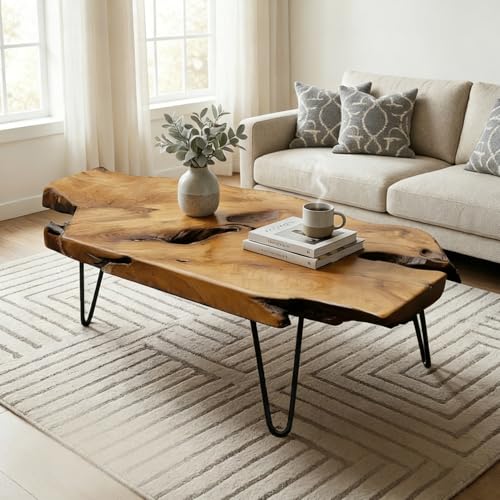
Rustic Wood and Wrought Iron Coffee Table: The Complete Buyer's Guide
Everything you need to know before choosing a rustic wood and wrought iron coffee table for your patio or outdoor living room — materials, construction, sizing, styling, and long-term care.
Explore Recommended OptionsWhy this guide exists: A rustic wood and wrought iron coffee table blends two materials with very different personalities — warm, organic timber and cold, structural metal. When done well, the pairing creates an anchor piece that feels handcrafted and enduring. When done poorly, it warps, rusts, or looks out of place. This guide walks you through the decisions that matter so you can buy with confidence.
What Makes a Rustic Wood and Wrought Iron Coffee Table Work
The appeal of this furniture style is rooted in contrast. Wrought iron provides a rigid, load-bearing frame that resists flexing and holds its shape across seasons. Wood introduces texture, grain variation, and visual warmth that metal alone cannot deliver. Together, they suit outdoor rooms that lean toward farmhouse, industrial, lodge, or Mediterranean aesthetics.
However, the combination is only as good as its weakest element. If the wood is too thin, it will cup or split under humidity swings. If the iron is not properly coated, it will oxidize and stain surrounding surfaces. A well-built piece uses thicker timber sections for the top and a powder-coated or galvanized iron base to manage moisture exposure.
If you are still mapping out your overall patio layout, it helps to review broader round patio furniture configurations to understand how a coffee table fits into a conversation set, sectional, or lounge grouping. The table should serve the seating arrangement, not compete with it.
Material Reality Check: Wood Species and Iron Finishes
Not all rustic wood is equal. The species you choose affects how the table ages, how often it needs attention, and whether it stays dimensionally stable outdoors.
- Teak and acacia: Naturally dense and resin-rich. These species resist moisture intrusion better than softwoods and develop a silver-grey patina if left untreated. Teak is often considered a premium material for outdoor furniture.
- Pine and fir: Lighter and more porous. These are common in entry-level rustic pieces and require more frequent sealing to prevent swelling and cracking.
- Reclaimed or distressed timber: Offers the most authentic rustic character but demands careful inspection for existing rot, insect damage, or unstable knots before purchase.
- Mango and rubberwood: Mid-range options that balance density and workability. Often used in stained finishes that mimic older barn wood.
On the iron side, look for wrought iron or cast iron with a powder-coated finish. Powder coating is more resistant to chipping than liquid paint and provides a consistent barrier against moisture. Some manufacturers use a hot-dip galvanized base layer under the finish, which is a strong indicator of long-term durability. If you are concerned about existing metal pieces in your space, our rust removal guide covers how to assess and treat oxidation before it spreads.
Understanding Quality Tiers Without the Guesswork
Outdoor furniture is often marketed with vague language. To make comparison easier, we use a consistent tier system across our guides. These descriptors reflect relative market positioning and construction quality, not absolute figures.
| Tier | Typical Construction | Best For |
|---|---|---|
| Entry-level / starter tier | Thinner wood sections, standard steel or iron frame with basic powder coat, simpler joinery | Covered patios, seasonal use, first outdoor setup |
| Mid-range / balanced tier | Solid wood top with thicker profiling, welded iron base, improved coating, reinforced corner brackets | Year-round covered use, family patios, moderate exposure |
| Premium / high-end tier | Dense hardwood (teak or equivalent), fully welded frame, multi-stage finish, adjustable feet, pre-drilled drainage | Open patios, coastal environments, long-term investment |
| Luxury / flagship tier | Hand-finished reclaimed or premium hardwood, custom ironwork, commercial-grade coating systems, artisan joinery | Design-led outdoor rooms, hospitality-grade settings |
For most homeowners, the mid-range tier represents the strongest balance of durability and design flexibility. Entry-level pieces can work well on a screened porch or under a pergola where direct rain exposure is limited. Premium and luxury tiers make more sense when the table will face full sun, salt air, or heavy seasonal rain.
If your patio design leans toward natural materials throughout, it is worth exploring how a round teak outdoor dining table pairs with a rustic coffee table to create a cohesive material story across dining and lounge zones.
Sizing and Proportion: Getting the Dimensions Right
A coffee table that is too large will crowd the seating area and make movement awkward. One that is too small will feel disconnected from the furniture around it. The general rule is that the table length should be roughly two-thirds the length of the sofa or sectional it serves, with 14 to 18 inches of clearance between the table edge and the seat front.
Height matters as much as footprint. For standard outdoor sofas with seat heights around 16 to 18 inches, a coffee table height of 16 to 18 inches keeps drinks and trays within easy reach. If you are pairing the table with lower lounge chairs, a height of 12 to 14 inches is more appropriate.
Shape also influences flow. Rectangular rustic wood and wrought iron tables suit long sectionals and defined conversation zones. Round and oval tables soften tight spaces and reduce sharp corners in family areas. Our round rattan coffee table with glass top guide offers a useful comparison if you are weighing a round format against a rectangular one.
Measuring Checklist Before You Buy
- Measure the full seating group footprint, including any reclined positions.
- Confirm walkway clearance of at least 24 inches on primary traffic sides.
- Check door and gate widths if the table must pass through a narrow access point.
- Verify the table height against the seat height of your existing chairs or sofa.
- Account for umbrella bases or fire pit clearances if the table sits near a focal feature.
Design Styles That Suit Rustic Wood and Wrought Iron
This material pairing is versatile, but it reads differently depending on the surrounding furniture and finishes. Consider which of the following directions matches your outdoor room.
Farmhouse and Lodge
Thick timber tops with visible grain, dark iron legs, and distressed finishes define this look. Pair the table with deep-seated sofas in natural fabrics, woven accents, and warm lighting. A rustic farmhouse table with bench and chairs can extend the same visual language to the dining area for a cohesive result.
Industrial and Urban
Cleaner iron lines, smaller wood sections, and darker stains lean industrial. This style works well on balconies and compact patios where visual weight should stay controlled. Combine with metal accent chairs and concrete-textured planters.
Mediterranean and Coastal Rustic
Lighter wood tones, scrolled or hammered iron details, and a slightly weathered finish suit coastal and Mediterranean settings. Keep upholstery in neutral tones and add woven textiles for texture. If your space includes a dining zone, a rustic dining table with bench and chairs reinforces the same aesthetic without feeling repetitive.
For more ideas on anchoring a lounge area, our guide to the round wrought iron coffee table with glass top shows how metal-first designs can complement wood-heavy pieces when the proportions are balanced.
Durability, Weather Exposure, and Long-Term Care
Outdoor furniture lives in a hostile environment. Sun, rain, humidity, and temperature swings all work against materials over time. A rustic wood and wrought iron coffee table can last many seasons if you plan for maintenance from the start.
Wood Care
- Apply a penetrating outdoor wood sealer every 6 to 12 months, depending on exposure.
- Clean with a mild soap solution and a soft brush; avoid pressure washing, which can raise the grain.
- Allow the table to dry fully after rain before placing cushions or trays on the surface.
- Inspect for checking or splitting at the end grain and treat promptly with a wood filler rated for exterior use.
Iron Care
- Wipe the frame with a damp cloth monthly to remove dust and debris that trap moisture.
- Touch up any chips in the powder coat immediately to prevent localized rust.
- Use rubber or plastic glides under the legs to prevent scratching and reduce standing water contact.
- During extended wet seasons, consider a breathable furniture cover that allows air circulation.
If you notice surface oxidation beginning, address it early rather than waiting for the rust to pit the metal. Our rust removal guide walks through safe treatment steps for outdoor iron furniture.
Placement and Styling Tips
Where you place the table matters as much as what you place on it. In a conversation setup, the table should sit centered within the seating group, with equal clearance on all sides. In a linear lounge layout, it can be offset toward one end to create a secondary surface near a side chair.
For styling, restraint works best with rustic materials. A single tray for drinks, a low bowl or planter, and one or two books are usually enough. Too many small objects compete with the texture of the wood and iron. If the table sits under a pergola or near a fire feature, choose accessories that can handle heat and moisture without fading or warping.
If your patio includes a dining zone nearby, review how round patio table and chairs arrangements can share visual cues with the lounge area without duplicating the same furniture silhouette.
Common Buying Mistakes to Avoid
- Choosing the wrong height: A table that sits too high or too low relative to the sofa is uncomfortable regardless of how good it looks.
- Ignoring the finish system: A beautiful wood top with an untreated underside will absorb moisture from the ground or patio surface.
- Overlooking weight: Solid wood and iron tables can be heavy. Confirm that the delivery path and patio surface can handle the load.
- Skipping the leg design check: Wrought iron legs can catch on rugs or uneven pavers. Adjustable feet or glides make a meaningful difference.
- Buying before measuring the seating group: A table that looked proportionate online can overwhelm a compact sectional once placed.
Frequently Asked Questions
Can a rustic wood and wrought iron coffee table stay outside all year?
It can, provided the wood is properly sealed and the iron finish is intact. In regions with heavy freeze-thaw cycles or prolonged rain, bringing the table under cover during the wettest months extends its life significantly.
How do I prevent the wood top from cracking?
Consistent sealing is the main defense. Allow the wood to acclimate before the first sealant application, and reapply according to the manufacturer's schedule. Avoid placing the table directly over sprinklers or in standing water.
Is wrought iron heavy enough to stay stable in wind?
Wrought iron frames are generally heavier than aluminum alternatives, which improves stability. On exposed rooftops or windy patios, choose a table with a lower center of gravity and consider anchoring options if the manufacturer provides them.
What size coffee table works with a sectional?
As a starting point, the table length should be about two-thirds the length of the sectional's main seating run, with 14 to 18 inches of clearance from the seat front. Confirm the height against your sectional's seat height.
Can I use this style indoors as well?
Yes. Rustic wood and wrought iron coffee tables are popular in sunrooms, screened porches, and indoor living rooms with a farmhouse or industrial theme. The same care principles apply, though indoor humidity swings are usually milder.
Ready to Choose Your Table?
Review our recommended options below. Each selection is aligned with the tier system and construction standards discussed in this guide, so you can compare features with confidence.
View Recommended Products