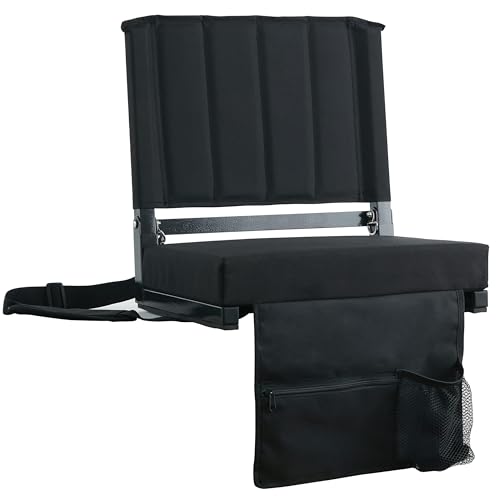
Stadium Chairs: The Complete Buying Guide
Everything you need to know before choosing portable stadium seats — comfort, support, durability, and venue compatibility explained in plain language.
EXPLORE TOP PICKSWhy this guide matters: Bleacher seating is unforgiving on the back and hips during long games or events. A well-chosen stadium chair transforms that hard bench into a comfortable, supportive spot — but only if it matches your venue’s rules, your body, and how often you’ll carry it. This guide breaks down every consideration so you can buy with confidence.
What Exactly Is a Stadium Chair?
A stadium chair — sometimes called a bleacher chair or portable stadium seat — is a compact, often folding seat designed to sit on top of existing bleachers or benches. Unlike a standard folding chair, most stadium chairs have no legs; they rely on the bleacher structure for support while providing a padded seat and backrest. This legless design is what makes them widely permitted at sports venues, high school stadiums, and outdoor amphitheaters.
The category ranges from simple padded cushions with a thin back to fully rigid stadium seats with armrests and reclining backs. If you’ve ever envied spectators who look relaxed while everyone else shifts uncomfortably, they likely invested in a proper stadium chair. For a broader look at portable outdoor seating, you might also browse stadium seats and stackable lawn chairs as alternative options for events.
Key Features That Define a Good Stadium Chair
Back Support & Frame
A firm, high backrest prevents slouching during a two-hour game. Look for a reinforced internal frame — high-grade steel or heavy-duty plastic — that holds its shape rather than folding flat under pressure. The best frames distribute weight evenly across the bleacher surface.
Seat Cushion Thickness
Thicker foam cushions insulate against cold metal bleachers and reduce pressure points. Mid-range and premium models typically use high-density foam that resists flattening over seasons of use. Entry-level cushions are thinner but still improve comfort versus bare benches.
Portability & Weight
Folding stadium chairs with shoulder straps or integrated carry handles are essential if you walk far from parking. Lighter chairs are easier to haul but may sacrifice frame rigidity. A balanced mid-tier model often hits the sweet spot between weight and support.
Weather-Resistant Materials
Polyester or nylon covers with water-resistant coatings wipe clean and resist fading. Rust-proof aluminum or powder-coated steel frames survive rain and accidental spills. Avoid untreated fabrics that absorb moisture and develop odors.
Venue Compliance
Many stadiums prohibit chairs with legs, armrests, or rigid frames that could block aisles. Low-profile, legless designs are the safest bet. Some venues specify maximum seat width — a detail worth confirming before you buy.
Storage & Extras
Built-in cup holders, zippered storage pockets, and attachment straps keep essentials secure. These small additions make a surprising difference during crowded events where floor space is nonexistent.
Stadium Chair Tiers Compared
To help you choose without getting lost in specifications, we classify stadium chairs into four universal tiers based on construction quality, comfort, and durability. These are relative positions within the category — not absolute measures.
| Tier | Best For | Typical Build | Comfort Level |
|---|---|---|---|
| Entry-Level | Occasional attendees, light use, quick trips | Thin foam, basic fabric, simple strap | Basic padding, minimal back support |
| Mid-Range | Regular season ticket holders, families | Denser foam, reinforced frame, carry bag | Firm backrest, good cushioning for 2–3 hours |
| Premium | Frequent attendees, long events, colder climates | High-density foam, weather-resistant coating, wider seat | Excellent support, insulated seat, armrests on some models |
| Luxury | Season-long comfort, spectators with back concerns | Commercial-grade frame, multi-layer cushioning, reclining back | Near-armchair comfort, adjustable recline, premium fabrics |
How to Choose the Right Stadium Chair for You
Before you settle on a model, run through this practical checklist. It covers the decisions that matter most once you’re actually sitting in the stands.
- Measure the bleacher depth. A chair that overhangs too far forward can be unstable. Most bleachers are 10–12 inches deep; check that the chair’s base fits securely.
- Confirm venue rules. Search the stadium’s website for “seat policy” or “prohibited items.” Legless chairs are almost universally allowed, but width and armrest restrictions vary.
- Test the back height. A backrest that reaches mid-shoulder provides meaningful support. Short backrests only offer lumbar pressure relief without upper-back stability.
- Consider your carry distance. If you tailgate far from the gate, prioritize a lightweight folding design with a shoulder strap. For short walks, a heavier chair with more padding is fine.
- Think about weather. For fall football or spring soccer, an insulated seat cushion and water-resistant shell make a big difference. For indoor arenas, breathable fabric matters more.
- Check the weight capacity. Most quality stadium chairs support at least 250 lbs, but premium models often exceed 300 lbs with reinforced frames. Always verify the stated limit.
- Look for attachment security. Straps or hooks that anchor the chair to the bleacher prevent sliding when you shift weight or stand up.
If you’re furnishing a full outdoor seating setup beyond the stadium, exploring space-saving furniture and splurge vs save principles can help you allocate attention across categories.
Materials and Long-Term Durability
The difference between a stadium chair that lasts two seasons and one that lasts ten usually comes down to three components: the frame, the foam, and the fabric.
Frames: High-grade steel offers the best rigidity but adds weight. Powder-coated aluminum is lighter and rust-proof — a strong choice for humid climates. Heavy-duty molded plastic frames are common in entry-level and mid-range chairs; they’re durable but can crack under extreme cold if dropped.
Foam: High-density polyurethane foam resists compression far better than cheap open-cell foam. A thicker cushion isn’t automatically better — density matters more than thickness. Premium chairs often combine a dense base layer with a softer top layer for comfort without sagging.
Fabric: Solution-dyed polyester and 600D Oxford nylon are the gold standards for weather resistance and colorfastness. These fabrics repel light rain, resist UV fading, and wipe clean easily. Avoid cotton blends or untreated canvas, which absorb moisture and mildew.
For related outdoor durability topics, see our guides on sustainable materials and teak furniture care, which share the same principles of material longevity.
Frequently Asked Questions
Are stadium chairs allowed at all venues?
How do I clean and maintain a stadium chair?
What’s the difference between a stadium chair and a bleacher seat?
Can I use a stadium chair on concrete or grass?
How much weight can a stadium chair support?
Ready to Upgrade Your Game-Day Comfort?
Browse our hand-picked selection of stadium chairs across every tier — entry-level to luxury — and find the right balance of support, portability, and durability for your next event.
View Recommended Stadium Chairs