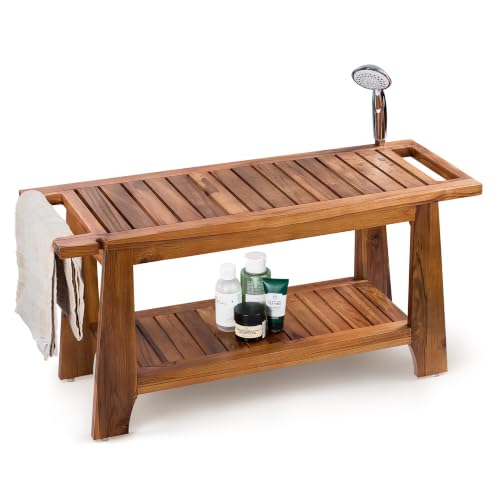
Teak Wood Bench: The Complete Buying Guide for Lasting Outdoor Comfort
A teak wood bench brings together natural beauty, remarkable weather resistance, and timeless design. This guide walks you through everything you need to know before choosing one for your patio, garden, or porch.
Why a Teak Wood Bench Deserves Your Attention
If you have been researching outdoor seating, you already know that the material makes or breaks the experience. A teak wood bench stands out because teak itself is one of the most respected hardwoods for outdoor use. Its natural oils and dense grain structure allow it to withstand sun, rain, and seasonal temperature swings far better than many common alternatives.
Homeowners who invest in a teak wood bench typically do so because they want a piece that stays beautiful year after year without constant babysitting. Whether you picture a quiet reading corner on your porch, a focal point in a flower garden, or a practical seat at the edge of your patio, a well-chosen teak bench delivers comfort and character in equal measure.
This guide is built for the research stage of your purchase. You will learn how teak behaves outdoors, which bench styles suit which spaces, what to inspect before buying, and how to care for your bench so it remains a long-term investment. By the end, you should feel confident comparing options and choosing the bench that fits your outdoor lifestyle.
Quick note: Teak furniture pairs naturally with other solid wood pieces. If you are still planning your overall space, explore our broader teak outdoor furniture collection guide and our overview of teak wood furniture to build a cohesive look.
What Makes Teak Wood So Well Suited to Outdoor Benches
Teak is a tropical hardwood prized for its natural oil content, tight grain, and resistance to moisture. These properties mean a teak wood bench can handle exposure that would quickly damage softer woods. Here is what matters most when evaluating a bench:
Natural Moisture Resistance
Teak's inherent oils help repel water, reducing swelling, warping, and cracking. This is why teak benches perform well in humid and rainy climates alike.
Durability and Density
Dense hardwood construction gives teak benches a solid, stable feel. A well-built bench resists wobbling and holds its shape through many seasons of use.
Beautiful Aging Process
New teak shows a warm golden-brown tone. Left untreated outdoors, it gradually develops a elegant silver-grey patina that many homeowners prefer.
Low Maintenance Profile
Compared with many outdoor materials, teak asks for very little. Occasional cleaning is usually enough, and sealing is optional depending on the finish you want.
It is worth noting that not every bench labeled "teak" is equal. The grade of the wood, the thickness of the slats, and the joinery all influence how a bench performs. Higher-tier benches typically use thicker components and more precise joinery, while entry-level models may use thinner stock. Neither is inherently wrong, but understanding the tier helps you set realistic expectations.
Popular Teak Bench Styles and Where They Fit Best
A teak wood bench is versatile, but matching the style to your space makes a real difference. Consider these common configurations:
Classic Garden Bench
With a slatted back and armrests, this is the quintessential teak bench. It suits flower gardens, lawn edges, and quiet corners where you want a seat that feels integrated with nature. Pair it with nearby planting to create a restful nook.
Backless Teak Bench
A backless design works well along a patio perimeter or as a flexible seating piece at a long table. Its simple profile makes it easy to move and tuck against walls. If you enjoy rearranging your outdoor layout, this style offers the most freedom.
Storage and Lift-Seat Bench
Some teak benches include a lift-up seat with a storage compartment beneath. This adds practical value for cushion storage or garden tools. If organization matters to you, this style delivers both seating and utility.
Curved and Conversation Benches
Curved benches encourage relaxed conversation around a fire pit or a circular garden feature. They can serve as a design anchor for a patio layout. If your space is built around gathering, this is a strong consideration.
When choosing placement, think about sun exposure, foot traffic, and how the bench relates to other furniture. A bench near a teak outdoor coffee table can create a cohesive lounge area, while a bench paired with a teak outdoor side table makes a comfortable spot for a drink and a book.
How to Evaluate a Teak Wood Bench Before You Buy
Use the following checklist to compare benches with confidence. These points apply whether you are shopping online or viewing a bench in person.
Wood Grade and Grain
Look for tight, straight grain and a consistent color. Knots are natural, but excessive knots or visible filler can signal lower-grade stock. A premium bench typically shows clean, well-matched boards.
Joinery Quality
Inspect how the pieces connect. Mortise-and-tenon joints, dowels, and recessed hardware generally indicate sturdier construction than staples or visible screws. Solid joinery is a hallmark of long-lasting benches.
Slat Thickness and Seat Depth
Thicker slats resist flexing over time. Seat depth affects comfort, so consider whether the bench is for upright seating or lounging. A deeper seat with a slight recline invites longer relaxation.
Hardware and Fasteners
Check for rust-proof or stainless fasteners. Even small hardware choices influence how a bench ages. High-grade hardware reduces the risk of stains and loose joints.
Finish and Surface Treatment
Some benches arrive sanded and ready to weather naturally, while others carry a factory finish. Neither approach is better, but understanding it helps you plan maintenance and set expectations for color change.
Weight and Stability
A solid teak bench should feel grounded and stable. Lightweight benches can shift in wind or on uneven ground. If portability is a priority, look for designs with balanced proportions rather than flimsy construction.
As you compare tiers, remember that mid-range and high-end tier benches often justify their position through better joinery and thicker components. Entry-level benches can still be solid choices for sheltered spots or occasional use.
Caring for Your Teak Wood Bench Over the Long Term
One of the reasons homeowners choose teak is its forgiving nature. Still, a few simple habits keep your bench in excellent condition:
- Routine cleaning: A mild soap solution and a soft brush remove dirt and pollen. Rinse thoroughly and allow the bench to dry in the sun.
- Optional sealing: If you prefer to preserve the golden-brown color, apply a teak sealer periodically. If you love the silver-grey look, you can skip sealing and let the wood age naturally.
- Avoid harsh chemicals: Bleach-based cleaners and abrasive pads can strip the surface and dull the grain. Gentle care preserves the wood's character.
- Seasonal checks: Tighten any hardware, inspect joints, and clear debris from crevices before and after winter. A few minutes of attention goes a long way.
- Protection during extreme weather: In regions with harsh winters, covering the bench or storing it in a sheltered area can extend its life. Breathable covers are preferable to fully sealed plastic.
If you are building out a full seating area, our guide to teak rocking chairs and teak outdoor daybeds can help you create a coordinated retreat. For dining spaces, consider how a bench works alongside a teak outdoor dining table or a teak patio table.
Common Questions About Teak Wood Benches
Does teak really last outdoors without treatment?
Yes, teak is naturally durable outdoors. Left untreated, it weathers to a silver-grey tone and remains structurally sound. Treatment is mainly a matter of appearance preference, not a requirement for longevity.
Can I leave a teak bench outside all year?
In most climates, a teak bench can stay outdoors year-round. In areas with severe freezing or heavy snow, covering or storing the bench during the harshest months is a sensible precaution that helps preserve joints and finish.
How do I keep the golden color?
Use a dedicated teak sealer or oil designed for outdoor hardwood. Reapply according to the product guidance and your local sun and rain exposure. Regular sealing slows the natural greying process.
Is a teak bench comfortable without cushions?
Well-designed teak benches are comfortable for upright seating. If you plan to linger, add waterproof bench cushions for outdoor furniture for extra softness. Cushions also let you introduce color and pattern.
What should I pair with a teak bench?
A matching side table, a planter, or a small coffee table completes the setting. Browse our teak outdoor table options and teak patio furniture ideas to coordinate your layout.
A Bench That Grows More Beautiful With Time
A teak wood bench is more than a place to sit. It is an investment in outdoor comfort, natural beauty, and practical durability. By understanding the wood, the construction details, and the care routine, you can choose a bench that serves your space for years.
As you finalize your decision, keep the broader picture in mind. A bench often sits alongside other pieces that define your outdoor room. Explore our full range of teak wood furniture and teak patio furniture collections to bring your entire vision together.
When you are ready, review the recommended options below and compare features that matter to you. The right teak bench is waiting to become part of your everyday outdoor moments.