
Travel Lounger Guide: Portable Comfort for Every Outdoor Escape
A travel lounger bridges the gap between a folding camp chair and a full patio recliner. This guide explains the styles, frames, fabrics, and features that matter so you can pick a lounger that packs small, sets up fast, and supports you through long afternoons outdoors.
Why this guide matters: If you are researching travel loungers, you probably already know you want a reclining, portable seat — the question is which type fits your trips. Below we break down folding, inflatable, and reclining designs, then cover frame materials, weight limits, portability, and care so you can make a confident, well-informed choice.
What Is a Travel Lounger?
A travel lounger is a portable reclining seat built for temporary outdoor use. Unlike a fixed patio recliner, a travel lounger collapses, rolls, or deflates into a compact form that fits in a car trunk, a campsite tote, or a beach bag. Most models recline to several positions, from upright seating to a near-flat lounging angle, so the same chair works for reading, sunbathing, and stargazing.
These loungers sit at the intersection of two product categories. They borrow the portability and quick setup of travel chairs, but add the extended reclining geometry of a full-size lounger. That makes them a practical bridge product for campers, beachgoers, festival attendees, and homeowners who want a spare seat that stores easily when the patio is full.
Because they are designed to move, travel loungers prioritize light weight and compact packed size over the plush, fixed comfort of permanent furniture. The best models balance the two: a sturdy frame, a supportive fabric seat, and a packed profile small enough to carry comfortably.
Types of Travel Loungers
Travel loungers fall into a few broad families. Each has a distinct strength, and the right pick depends on how you plan to use it.
Folding Frame Loungers
The most common type. An aluminum or steel frame unfolds into a reclining seat, and the whole unit folds flat into a carry bag. Folding loungers set up in seconds, need no inflation, and generally offer the most consistent support. They are the default choice for camping, tailgating, and backyard use. The trade-off is packed size and weight — a full reclining model is bulkier than a basic camp chair.
Inflatable Loungers
These are fabric sleeves that inflate by scooping air, with no pump required. They pack down to almost nothing and are extremely light. Inflatable loungers are excellent for beach trips and festivals where space is tight. They offer a soft, low, hammock-like recline rather than structured back support, and they need a little practice to inflate and seal properly. Durability depends heavily on fabric thickness and seam quality.
Reclining Camp Loungers
A middle ground between a camp chair and a chaise. These have a structured frame plus a multi-position backrest, often with a footrest section that extends. They are heavier than basic folding chairs but deliver the closest experience to a proper patio recliner. If you want a lounger that doubles as a comfortable reading chair at the campsite, this is the category to focus on.
Low-Profile Beach Loungers
Designed to sit close to the ground on sand. These usually have short legs, a wide fabric seat, and a backrest that adjusts through a few angles. They are stable on soft surfaces and easy to carry, but less comfortable on hard ground and harder to get up from for users with limited mobility.
Key Features to Compare Before You Choose
Once you have a type in mind, the differences between individual models come down to a handful of specifications. Compare these carefully — they determine how comfortable the lounger will be on a long day.
Frame Material and Build Quality
Aluminum frames are the lightest and resist rust, which matters for beach and humid climates. Powder-coated steel is heavier but often stronger at the joints. High-grade steel with a rust-proof finish is a reasonable middle option. Look for reinforced joints, cross-bracing, and wide feet or caps — these details separate a solid build from a frame that wobbles after a season of use.
Fabric and Weather Resistance
Most travel loungers use polyester or nylon seat fabric, often with a UV-resistant coating. Heavier, denser weaves feel more supportive and last longer. If the lounger will live outdoors for stretches, check for water-resistant or quick-drying fabric. Cushioned models may use removable pads; the care instructions for those pads are similar to those for waterproof outdoor chair cushions, and storing them dry is essential.
Weight Capacity and Frame Rating
Every lounger has a stated maximum weight. Entry-level models commonly rate around 250 pounds, mid-range models around 300, and premium or heavy-duty frames 350 pounds or more. Always match the rating to the intended user with a margin of safety, and never exceed the manufacturer's figure.
Packed Size and Carry Weight
Check both the folded dimensions and the carry weight. A lounger that is comfortable to sit in but awkward to carry will stay in the car. For walking trips, prioritize models under roughly ten pounds with a shoulder strap or backpack-style carry bag. For car camping, a slightly heavier lounger is a fine trade for better support.
Recline Range and Setup Speed
Multi-position backrests are the core feature of a lounger. Look for at least three positions, and check whether the adjustment is a simple notched bar or a more refined locking mechanism — the latter feels smoother and is easier to operate one-handed. Setup speed matters too: folding loungers should open in under a minute without tools.
Extra Features Worth Having
Cup holders, side pockets, and a small headrest pillow add convenience without much weight. A locking mechanism that prevents accidental collapse is a genuine safety feature. Some models include a removable footrest or a canopy attachment; these are useful but add bulk, so weigh them against your portability needs.
Travel Lounger Types at a Glance
The table below summarizes how the main lounger styles compare across the factors that matter most. Use it to narrow your shortlist before reading individual product details.
| Type | Tier | Best For | Portability | Support Level |
|---|---|---|---|---|
| Folding frame lounger | Entry-level to mid-range | Camping and backyard use | Good — folds flat | High — structured frame |
| Inflatable lounger | Starter tier | Beach and festival trips | Excellent — packs tiny | Low to moderate — soft recline |
| Reclining camp lounger | Mid-range to premium | Long reading sessions outdoors | Moderate — heavier | Very high — multi-position backrest |
| Low-profile beach lounger | Essential tier | Sandy surfaces and sunbathing | Good — light frame | Moderate — low seat height |
| Heavy-duty lounger | High-end tier | Tall or heavier users | Lower — larger packed size | Very high — reinforced build |
How to Choose the Right Travel Lounger
Start with the use case, then work backward to specifications. A lounger for car camping can afford to be heavier and more supportive; a lounger for a beach walk needs to be light and pack small. Ask yourself four questions before comparing models.
1. Where will you use it most?
Sand, grass, and hard ground each favor different designs. Low-profile loungers are stable on sand; folding frame loungers with wide feet handle grass and gravel well; inflatable loungers are best on soft surfaces and in crowded festival settings.
2. How far will you carry it?
If the lounger travels from the car to the campsite, carry weight is a minor concern. If it goes on a hike or a long walk to the beach, prioritize a light frame, a compact bag, and a shoulder strap.
3. Who will sit in it?
Match the weight rating and backrest length to the user. Tall users should verify the backrest height and the distance from seat to footrest. Users with mobility concerns should avoid very low loungers and look for models with a higher seat and a firm armrest to push against.
4. How often will it be stored outside?
Occasional outdoor use is fine for most fabrics. If the lounger will stay on a balcony or deck for weeks at a time, choose UV-resistant fabric, a rust-proof frame, and a design that folds easily for storage. A cover or dry storage bag extends the life of any model.
If you are outfitting a full outdoor relaxation area rather than a single trip, it is worth reading more broadly about the most comfortable outdoor lounge chair options and how they compare with portable designs, as fixed loungers offer deeper cushioning and better long-term durability for permanent patio use.
Care and Maintenance Tips
A travel lounger is exposed to sun, sand, moisture, and repeated folding. A few simple habits keep it working well for years.
- Dry before folding: Never store a fabric seat damp. Moisture trapped in a folded lounger encourages mildew and corrosion at the joints.
- Wipe the frame: Use a damp cloth and mild soap on metal frames after beach or coastal trips to remove salt, then dry thoroughly.
- Check joints and rivets: Periodically inspect hinge points and locking mechanisms for looseness. Tighten or replace worn parts before they fail under load.
- Store in the carry bag: Keep the lounger folded in its bag in a dry place. This protects the fabric from UV degradation and keeps the frame clean.
- Respect the weight limit: Overloading a frame stresses welds and locking bars, which is the most common cause of premature failure.
Frequently Asked Questions
What is a travel lounger?
A travel lounger is a portable reclining seat designed for temporary outdoor use, such as camping, beach trips, festivals, and backyard relaxation. Most models fold, roll, or inflate so they can be carried and stored easily.
How much weight can a travel lounger support?
Weight capacity varies by build. Entry-level models typically support around 250 pounds, while mid-range and premium loungers with reinforced aluminum or steel frames often support 300 to 350 pounds or more. Always check the manufacturer's stated capacity before use.
Are travel loungers suitable for tall users?
Some are, but not all. Tall users should look for loungers with a longer backrest and a higher seat-to-ground height. Product listings usually state the overall length and recommended user height, so compare those figures before deciding.
How do I clean and maintain a travel lounger?
Wipe metal frames with a damp cloth and mild soap, rinse fabric seats and let them air-dry completely before folding. Avoid harsh solvents on coated fabrics, and store the lounger dry and folded in its carry bag to prevent mildew and rust.
Can a travel lounger replace a patio recliner?
For occasional use, yes — a sturdy reclining camp lounger can serve as a comfortable patio seat. For daily, permanent use, a dedicated outdoor recliner with deeper cushioning and heavier construction is generally more comfortable and durable. Think of a travel lounger as a portable companion rather than a permanent replacement.
Final Takeaway
The best travel lounger is the one that matches your trips, your body, and your storage space. Prioritize a frame material that suits your climate, a weight rating with margin to spare, and a packed size you can actually carry. If you want structured support, go with a folding or reclining camp lounger; if you want to pack light for the beach, an inflatable or low-profile design is the more practical pick. Either way, choose a lounger you will genuinely take with you — a great lounger left at home helps no one.
Recommended Travel Loungers
⚠️ AFFILIATE DISCLOSURE: This website contains affiliate links. As an Amazon Associate, we earn from qualifying purchases. If you make a purchase through these links, we may receive a small commission at no additional cost to you. Read our full affiliate policy.

WEKAPO Inflatable Couch Air Lounger Chair - Camping & Beach Accessories | Portable Blow up Sofa for Hiking, Lawn, Indoor/Outdoor Movies & Music Festivals. Lightweight and Easy to Set Up Air Hammock
Check price on Amazon
WEKAPO Inflatable Couch Air Lounger Chair - Camping & Beach Accessories | Portable Blow up Sofa for Hiking, Lawn, Indoor/Outdoor Movies & Music Festivals. Lightweight and Easy to Set Up Air Hammock
Check price on Amazon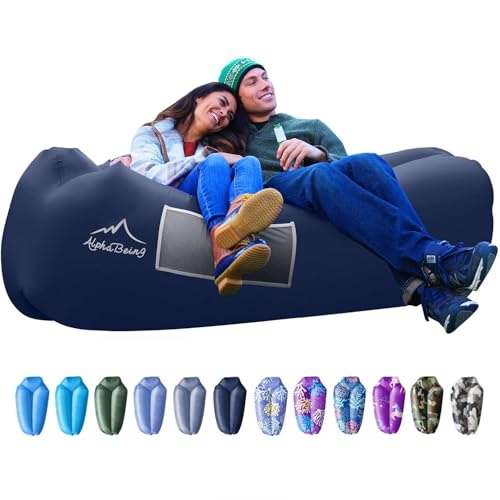
AlphaBeing Inflatable Lounger Beach Chair Accessories, Air Sofa Hammock | Inflatable Couch for Camping Backyard Lakeside with Compression Sacks, Ideal Outdoor Gifts for Adults
Check price on Amazon
GoFloats AirWedge Inflatable Beach Chair - Relax with The Comfort of Air (2-Pack)
Check price on Amazon
LONGJIN Inflatable Lounger Air Sofa Hammock, Inflatable Couch for Camping, Portable Waterproof Anti-Air Leaking Pouch Couch Air Chair for Outdoor, Beach, Hiking, Picnics, Music Festivals (Green)
Check price on Amazon
BeachBack Inflatable Beach Lounger - Beach Chair with Adjustable Back Support - Portable and Lightweight Air Sofa Chair for Lawn or Anywhere Outdoors
Check price on Amazon