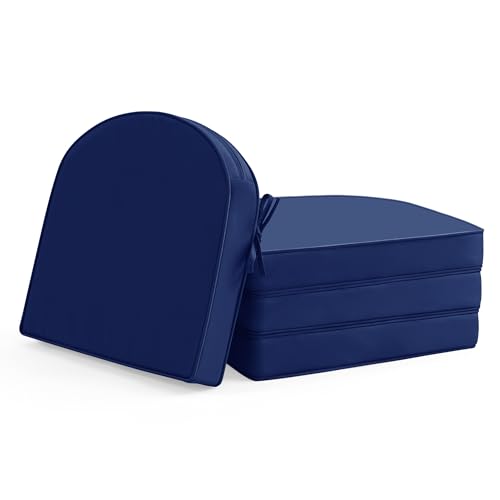
Waterproof Outdoor Chair Cushions: The Complete Buying Guide
Protect your patio seating from rain, sun, and spills. Learn how to pick cushions that stay comfortable and dry season after season.
Outdoor chair cushions take a beating. Between sudden downpours, high humidity, and UV exposure, a standard cushion can quickly become waterlogged, moldy, or faded. That's where waterproof outdoor chair cushions come in. But not all "waterproof" claims are equal, and the right choice depends on how you use your outdoor space. This guide walks you through everything you need to know—fabric types, filling materials, construction details, and care routines—so you can buy with confidence.
Why Waterproof Cushions Are Worth the Upgrade
Standard foam cushions absorb water like a sponge. Once soaked, they can take days to dry, and in the meantime they become breeding grounds for mildew and bacteria. Waterproof cushions solve this by combining water-repellent outer fabrics with quick-drying or closed-cell foam cores. The result is a cushion that beads water on the surface, drains quickly at the seams, and stays fresh even after a rainy week. If your patio is uncovered or you live in a humid climate, this upgrade is a water-resistant outdoor furniture cushions investment that pays off in longevity and hygiene.
Fabric Types That Actually Repel Water
The outer fabric is your first line of defense. Here are the main options:
- Solution-dyed acrylic: The gold standard for outdoor cushions. The color is baked into the fiber, so it resists fading and holds up to water-repellent treatments. It's the top-tier choice for sun-heavy patios.
- Polyester with a water-repellent finish: A mid-range option that performs well for occasional rain. The finish can wear off over time, but it's easy to reapply.
- Olefin (polypropylene): Inherently hydrophobic and quick-drying. It's a solid entry-level or mid-tier fabric that resists mildew well.
- PVC-coated fabrics: Fully waterproof and easy to wipe clean, often used in commercial-grade settings. They're less breathable, so they suit covered areas or quick-dry needs.
Look for tight weaves and reinforced seams. A good fabric will have a UV-protected fabric for outdoor furniture treatment to prevent sun damage, which is just as important as water resistance.
Filling Materials: The Hidden Key to Comfort and Dryness
Even the best fabric won't help if the filling soaks up water. Here's what to look for:
- Closed-cell foam: The best choice for waterproofing. The cells are sealed, so water can't penetrate. It's firm, supportive, and ideal for high-use chairs.
- Quick-dry foam: An open-cell foam with a reticulated structure that lets water drain through fast. It dries quickly but feels softer than closed-cell foam.
- Polyester fiberfill: Comfortable and plush, but it holds moisture. Use it only for covered patios or with a fully waterproof shell.
- Shredded foam blends: A mid-tier option that balances comfort and drainage, but check that the blend includes quick-dry components.
Construction Details That Make a Difference
Two cushions can use the same fabric and foam but perform very differently. Look for these features:
- Sealed or taped seams: Standard stitching leaves tiny holes. Taped or welded seams block water from seeping through.
- Zippered covers: Removable covers are easier to clean and let you inspect the filling. Make sure the zipper has a storm flap.
- Drainage grommets: Small holes at the bottom edge let trapped water escape. They're essential for open-cell foam cushions.
- Reinforced ties: Wind can send a lightweight cushion flying. Strong ties or straps keep cushions in place.
If you're also outfitting other seating, the same construction principles apply to waterproof bench cushions for outdoor furniture and waterproof outdoor rocking chair cushions.
Matching Cushions to Your Chairs
Not every cushion fits every chair. Measure your seat depth and width before buying, and check the cushion's dimensions against your chair. For wicker or rattan chairs, look for contoured or U-shaped outdoor cushions for wicker chairs that hug the frame. For standard patio dining chairs, a flat cushion with ties works best. If you're unsure about your chair's material, our guide to waterproof outdoor chairs covers the most common frame types and how they pair with cushions.
Care and Maintenance for Long-Lasting Cushions
Even waterproof cushions need some care. Follow these habits to extend their life:
- Shake off loose dirt and debris weekly.
- Spot-clean with mild soap and water; avoid harsh chemicals that strip water-repellent finishes.
- Store cushions in a dry, ventilated space during off-season or heavy rain. A waterproof container for outdoor cushions or waterproof outdoor cushion storage containers keeps them protected and ready to use.
- Reapply water-repellent spray annually if your fabric's finish starts to fade.
- Rotate cushions periodically to prevent uneven wear and sun fading.
Common Mistakes to Avoid
Buyers often assume "waterproof" means "maintenance-free." That's not the case. Another common mistake is choosing a cushion based on looks alone—thick, plush cushions may feel great but trap water if the filling isn't quick-dry. Finally, don't overlook the importance of a good fit. An oversized cushion can bunch up and wear out faster, while an undersized one slides around and offers poor support. Measure twice, buy once.
Frequently Asked Questions
Are waterproof outdoor chair cushions completely waterproof?
Most are water-resistant, not fully submersible. They repel rain and spills, but prolonged pooling water can eventually penetrate seams. Look for sealed seams and drainage grommets for the best protection.
Can I leave waterproof cushions outside all year?
It depends on your climate. In mild, dry regions, high-quality cushions can stay out. In areas with heavy rain or snow, bring them inside or store them in a waterproof box during the off-season.
How do I clean waterproof cushions?
Use a soft brush and mild soapy water. Rinse thoroughly and let them air dry in the shade. Avoid machine washing unless the care label explicitly allows it.
Do waterproof cushions feel different from standard cushions?
They can feel slightly firmer, especially closed-cell foam models. Quick-dry foam offers a softer feel while still draining well. Test a sample if comfort is your top priority.
Final Thoughts
Waterproof outdoor chair cushions are one of the smartest upgrades you can make for your patio. They protect your seating investment, reduce maintenance, and keep your outdoor space ready for guests at a moment's notice. Focus on the fabric, filling, and construction—not just the label—and you'll end up with cushions that last for many seasons. For a broader look at weather-ready seating, explore our full range of waterproof cushions for outdoor furniture.