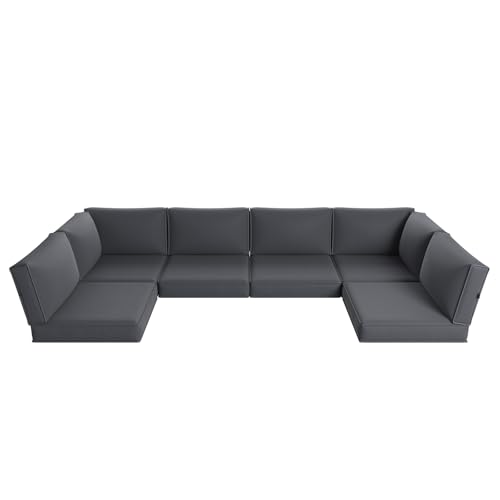
What "Water Resistant" Really Means for Outdoor Cushions
Water resistant and waterproof are often used interchangeably in marketing, but they describe different levels of protection. A water resistant cushion is treated or constructed to repel water and slow absorption. Light rain beads up and rolls off, and a spilled drink can be blotted away before it soaks in. A waterproof cushion, by contrast, is designed to block water entirely, typically through a non-porous barrier layer or sealed cover.
For most residential patios, water resistant cushions are the practical sweet spot. They breathe better than fully sealed waterproof covers, feel softer, and handle everyday weather without trapping moisture inside. If your patio is fully exposed to heavy, driving rain, pair water resistant cushions with a waterproof cushion solution or a dedicated storage box so cushions stay dry when not in use.
Understanding the distinction matters because it shapes how you shop. A cushion labeled water resistant should specify its fabric treatment and fill type. If a listing is vague about either, treat the claim with caution. Reputable brands name the fabric (for example, solution-dyed acrylic or treated polyester) and describe the foam density or quick-dry properties.
Fabric Types: The Core of Water Resistance
The fabric is the first line of defense. Outdoor cushion fabrics fall into a few broad categories, each with different water behavior, breathability, and longevity.
- Solution-dyed acrylic: The gold standard for outdoor upholstery. Color pigments are added to the fiber before it is spun, so the fabric resists fading and holds its water repellent finish longer. Premium and top-tier cushions almost always use this fabric.
- Solution-dyed polyester: A strong mid-range choice. It repels water well, dries quickly, and is more fade resistant than standard polyester. Many balanced-tier cushions use this as a dependable middle ground.
- Treated polyester or cotton blends: Common in entry-level and essential-tier cushions. A water repellent coating is applied to the surface. It works for light exposure but the finish can wear off faster, especially with repeated washing.
- Olefin (polypropylene): Inherently water resistant because the fiber itself does not absorb moisture. Often used in high-moisture and poolside settings. It is durable and quick drying, though it can feel less soft than acrylic.
- PVC or vinyl-coated fabric: Effectively waterproof and easy to wipe clean, but less breathable and less comfortable for lounging. Best suited to dining seats and high-traffic utility cushions.
When comparing fabrics, look for details like UV protected fabric treatments, which work alongside water repellency to keep cushions looking new. A fabric that repels water but fades in one season is only half the job.
Fill Materials: Where Comfort Meets Moisture Control
Even a perfectly water resistant cover can trap humidity if the fill inside holds moisture. The fill determines how a cushion feels, how it recovers its shape, and how quickly it dries after a soaking.
- High-density polyurethane foam: The most common outdoor fill. It is supportive, retains shape, and resists moisture better than low-density foam. Most mid-range and premium cushions use it, sometimes wrapped in polyester fiber for softness.
- Polyester fiber fill: Soft and light, often used as a wrap or in back cushions. It dries reasonably well but can clump if it gets soaked repeatedly. Best for covered patios.
- Quick-dry reticulated foam: An open-cell foam that lets water pass straight through instead of soaking in. It is the top-tier choice for poolside cushions and uncovered patios. It feels firmer and is highly durable.
- Memory foam blends: Comfortable but slower to dry and less ideal for wet exposure. Usually reserved for covered or screened outdoor rooms.
A practical rule: the more exposed your patio, the more you should prioritize quick-dry or high-density foam over plush fiber fill. Comfort matters, but a cushion that stays damp is neither comfortable nor healthy.
Comparing Cushion Tiers at a Glance
The table below summarizes how cushion tiers typically differ across the features that matter most for water resistance. Use it as a quick reference when comparing product listings.
| Tier | Typical Fabric | Fill Type | Water Behavior | Best For |
|---|---|---|---|---|
| Entry-level / Essential tier | Treated polyester or cotton blend | Standard foam with fiber wrap | Repels light rain and spills; finish may wear with washing | Covered porches and seasonal use |
| Mid-range / Balanced tier | Solution-dyed polyester or olefin | High-density foam | Good repellency; dries within a few hours | Most residential patios with partial cover |
| Premium / High-end tier | Solution-dyed acrylic | High-density foam with quick-dry wrap | Strong repellency; fast drying; fade resistant | Uncovered patios and sunny climates |
| Luxury / Top-tier | Solution-dyed acrylic with advanced finish | Quick-dry reticulated foam | Excellent repellency; drains and dries rapidly | Poolside, coastal, and high-moisture environments |
Tier labels are relative market positions, not absolute guarantees. A well-made mid-range cushion from a reputable brand can outperform a poorly constructed premium one. Focus on the specific fabric and fill details rather than the label alone.
Matching Cushions to Your Furniture and Space
Cushion selection should follow the furniture it sits on. A deep lounge chair needs a thick, supportive seat cushion, while a dining chair needs a slimmer profile that does not interfere with tucking under the table. If you are outfitting a wicker set, shaped options like U-shaped outdoor cushions for wicker chairs provide a better fit and fewer gaps where water can collect.
For rocking chairs, choose cushions designed for the curved frame so they stay in place and shed water rather than pooling it. Dedicated rocking chair cushions are shaped to follow the seat and back curve. Similarly, benches benefit from bench cushions with tie-downs and a water repellent base.
Color and material should also complement your furniture. Teak frames pair naturally with neutral or earthy cushion tones, and you can explore teak outdoor furniture with black cushions for a modern contrast. If you are building a full set, browse teak outdoor furniture options and plan cushion dimensions before ordering. Consistency across the set makes the patio feel intentional and makes cushion care easier.
A Practical Buying Checklist
Before you add cushions to your cart, confirm these details:
- The fabric is named specifically, not just described as "outdoor" or "water resistant."
- The fill is described by type and density, with quick-dry options noted for exposed patios.
- Covers are removable and machine washable, or the care label explains safe cleaning.
- Ties, straps, or non-slip backing are included to keep cushions in place on windy days.
- Dimensions match your furniture seat depth and back height — measure before ordering.
- UV and fade resistance are mentioned alongside water repellency.
- There is a clear return or warranty policy in case the fit or feel is not right.
Care and Maintenance That Extends Cushion Life
Even top-tier cushions need a routine. The goal is to remove moisture and debris before they work their way into the fabric and fill.
- Brush off loose debris weekly. Leaves, pollen, and dust hold moisture against the fabric.
- Spot clean spills immediately. Blot, do not rub, with a mild soap and water solution. Rinse and air dry thoroughly.
- Wash removable covers on a gentle cycle. Use cold water and mild detergent. Avoid fabric softener, which can coat the fibers and reduce water repellency.
- Air dry upright or on edge. Laying cushions flat traps moisture in the fill. Stand them on edge in the sun so both sides dry.
- Store during off-season or heavy rain. A waterproof storage box or a waterproof container for outdoor cushions keeps them dry and clean.
- Re-treat fabric if needed. Some fabrics accept a spray-on water repellent treatment after a few seasons; check the manufacturer's guidance first.
Pro tip: Do not cover damp cushions with a waterproof cover. Trapped moisture causes mildew faster than rain does. Always let cushions dry fully before covering or storing. If your furniture stays outside, use a waterproof cover for a three-seater garden swing or a similar fitted cover that allows some airflow.
Common Mistakes to Avoid
Many cushion problems trace back to a few avoidable decisions. Keep these in mind:
- Buying by appearance alone. A cushion that looks plush in a photo may use fiber fill that stays damp. Check the fill specification.
- Ignoring drainage. Cushions on solid surfaces with no airflow underneath dry slowly. Choose quick-dry fill or elevate cushions slightly.
- Over-washing. Frequent machine washing can strip water repellent finishes. Spot clean between occasional gentle washes.
- Skipping measurements. Cushions that are too thick or too large strain seams and hold water in folds. Measure seat depth, width, and back height.
- Leaving cushions out year-round without care. Even premium cushions benefit from seasonal cleaning and storage.
If your existing cushions have reached the end of their life, it may be time to refresh the seating area. Explore chair cushions and water resistant outdoor furniture cushions to find replacements that match your furniture and climate.
Frequently Asked Questions
Are water resistant cushions completely waterproof?
No. Water resistant cushions repel light rain and spills but are not fully waterproof. Prolonged exposure to heavy rain or standing water can eventually penetrate the fabric and fill. For full protection, use waterproof covers or store cushions during severe weather.
How long do water resistant outdoor cushions last?
With proper care, mid-range water resistant cushions typically last three to five seasons, while premium and top-tier cushions with solution-dyed acrylics and high-density foam can last seven years or more. Regular cleaning and seasonal storage significantly extend lifespan.
Can water resistant cushion covers be machine washed?
Many removable covers are machine washable on a gentle cycle with cold water and mild detergent. Always check the manufacturer's care label first. Some solution-dyed acrylics should be hand washed or spot cleaned to preserve their water repellent finish.
What is the best fill for water resistant outdoor cushions?
High-density polyurethane foam wrapped in polyester fiber is the most common and reliable fill. It resists moisture, retains shape, and dries relatively quickly. Quick-dry reticulated foam is the top-tier choice for poolside and high-moisture environments.
Do water resistant cushions fade in the sun?
Entry-level and mid-range fabrics may fade after a few seasons of UV exposure. Premium solution-dyed acrylics and high-end polyester blends are engineered for superior fade resistance and typically hold color for many years.
Final Thoughts: Buy for Your Climate, Not Just the Label
The best water resistant outdoor furniture cushions are the ones that match your actual conditions. A covered porch in a mild climate may only need essential-tier treated fabric. An uncovered pool deck in a rainy region deserves quick-dry foam and solution-dyed acrylic. Read the fabric and fill details, measure your furniture, plan a simple care routine, and you will get years of dry, comfortable seating from your investment.
If you are refreshing a full seating area, coordinate cushion choices with your frames and layout. Pairing new cushions with teak patio furniture or a teak outdoor furniture set creates a cohesive look, and consistent fabric choices make care and replacement simpler down the road.