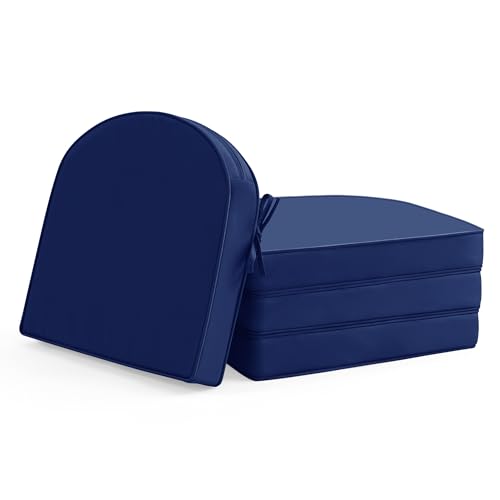
Waterproof Chair Cushions for Outdoor Furniture: The Complete Guide
Everything you need to know about choosing, caring for, and getting the most from waterproof outdoor chair cushions — so your seating stays comfortable, dry, and beautiful season after season.
Why this guide matters: Outdoor chair cushions face relentless abuse — sun, rain, spills, and mildew. A cushion that isn't properly water-resistant becomes waterlogged, loses its shape, and grows mold within a single season. This guide breaks down the materials, construction methods, and maintenance habits that separate long-lasting cushions from disappointing ones, so you can make a confident, informed choice.
Why Waterproof Cushions Are Essential for Outdoor Seating
Outdoor furniture frames — whether teak outdoor furniture or vintage wrought iron patio furniture — are built to endure the elements. Cushions, however, are the weakest link. Standard upholstery foam acts like a sponge: once water penetrates the cover, it saturates the core, takes days to dry, and creates the perfect environment for mold and mildew.
Waterproof and water-resistant chair cushions solve this problem through two mechanisms: fabric engineering (tight weaves, solution-dyed acrylics, and fluoropolymer coatings that bead water) and core design (closed-cell or quick-dry foam that won't retain moisture). Together, these features keep your seating usable minutes after a rain shower and dramatically extend the cushion's service life.
If you're seating guests on teak rocking chairs or outfitting a full teak outdoor dining set, waterproof cushions are not a luxury — they are the difference between furniture you use daily and furniture you avoid after every drizzle.
Waterproof vs. Water-Resistant: Understanding the Difference
The terms are often used interchangeably, but they describe different levels of protection:
- Water-resistant: The fabric repels light rain and spills, but water can eventually penetrate under sustained pressure or prolonged exposure. Most outdoor cushions on the market fall into this category.
- Waterproof: The cushion is engineered so water cannot pass through the cover or into the core. This typically requires sealed seams, a non-porous backing, and closed-cell foam. True waterproof cushions are the top-tier choice for uncovered patios and poolside seating.
For most homeowners, a high-quality water-resistant cushion paired with smart storage is sufficient. If your seating sits fully exposed to the elements, invest in genuinely waterproof construction or pair cushions with a waterproof deck box for quick storage.
Fabrics and Fillings That Make Cushions Waterproof
Cover Fabrics
- Solution-dyed acrylic: The gold standard for outdoor upholstery. Color is infused into the fiber, and the tight weave resists water while remaining breathable. Excellent UV stability.
- Polyester with water-repellent finish: A solid mid-range option. Lightweight, quick-drying, and treated to bead water. Longevity depends on the quality of the coating.
- Olefin (polypropylene): Inherently moisture-resistant and mildew-resistant. Common in entry-level and mid-tier cushions.
- PVC-coated or vinyl-laminated fabric: Fully waterproof and wipe-clean. Best for poolside and commercial-grade use, though less breathable and softer in feel.
Fillings
- Closed-cell foam: Does not absorb water and holds its shape. The best choice for true waterproof cushions.
- Quick-dry reticulated foam: Open structure allows water to drain rapidly. Soaks through but dries in minutes.
- Polyester fiberfill (treated): Soft and plush, with water-repellent treatment. Best for back cushions and decorative pillows.
- Standard open-cell foam: Avoid for outdoor use unless the cover is fully sealed — it retains water and promotes mildew.
When pairing cushions with teak outdoor furniture with black cushions or U-shaped outdoor cushions for wicker chairs, confirm both the cover fabric and the foam type. A waterproof cover over a sponge core is only half a solution.
Comparing Cushion Tiers: What to Expect at Each Level
The table below uses universal quality tiers rather than specific figures, so it stays relevant regardless of market conditions.
| Tier | Fabric & Construction | Best For |
|---|---|---|
| Entry-level | Polyester or olefin cover with basic water-repellent spray; standard foam core. Light protection, shorter lifespan. | Covered porches, seasonal use, occasional seating |
| Mid-range | Solution-dyed acrylic or treated polyester; quick-dry foam; reinforced seams. Good balance of comfort and weather resistance. | Everyday patio use, mixed sun and shade |
| Premium | High-grade acrylic with fluoropolymer finish; closed-cell foam; sealed or welded seams. Excellent water and UV resistance. | Uncovered patios, poolside areas, year-round exposure |
| Luxury / commercial-grade | Marine-grade fabric, fully sealed waterproof construction, high-density closed-cell foam, replaceable covers. | Coastal environments, hospitality settings, full sun and rain exposure |
Mid-range cushions typically offer the best balance for most homeowners, while premium and luxury tiers make sense for exposed locations or when you want to avoid replacement for many years. Pair your chosen tier with matching accessories such as waterproof outdoor chair cushions and a waterproof container for outdoor cushions to protect your investment.
How to Choose the Right Waterproof Chair Cushions
Use this checklist to evaluate any cushion before you commit:
Buyer's Checklist
- Measure your seat accurately: Width, depth, and thickness must match your chair. For dining chairs, a 2-inch thickness is usually comfortable; loungers often need 3–4 inches.
- Confirm the foam type: Ask explicitly whether the core is closed-cell or quick-dry. "Water-resistant cover" alone is not enough.
- Check seam construction: Welded or sealed seams are far more waterproof than standard stitched seams.
- Look for UV resistance: Fade-resistant fabric matters as much as water resistance for long-term appearance.
- Verify tie attachments: Ties or straps keep cushions from blowing away and are essential for windy locations.
- Consider cover removability: Removable, machine-washable covers simplify deep cleaning (check the care label).
- Match your furniture style: Cushions should complement the frame — for example, neutral tones on teak patio furniture, or bold accents on darker metals.
- Plan storage: A waterproof outdoor cushion storage container or waterproof deck box protects cushions during storms and off-season.
For specialized seating, look for cushions designed for the chair type — waterproof outdoor rocking chair cushions for rockers, waterproof bench cushions for benches, and water-resistant outdoor furniture cushions as a broader category if you need multiple sizes.
Care and Maintenance: Making Waterproof Cushions Last
Even the best waterproof cushions benefit from routine care. Follow these habits to extend their life:
- Brush off debris weekly: Dirt and pollen trap moisture against the fabric. A quick brush keeps the surface breathable.
- Spot-clean promptly: Use mild soap and water with a soft cloth. Rinse thoroughly to remove soap residue, which can attract dirt.
- Avoid harsh chemicals: Bleach and abrasive cleaners degrade water-repellent coatings and UV finishes.
- Air-dry fully: After cleaning or rain, stand cushions on edge to dry evenly. Avoid stacking wet cushions.
- Store during off-season: Use a waterproof outdoor cabinet or water-proof outdoor box to keep cushions dry and pest-free.
- Rotate cushions: Periodically swap seat positions to distribute wear and sun exposure evenly.
- Use covers for prolonged rain: A waterproof cover for a 3-seater garden swing or furniture cover protects cushions when you can't bring them inside.
If your cushions pair with a fabric cover or canopy, also review waterproof fabric for outdoor furniture covers and UV-protected fabric for outdoor furniture to keep the entire seating setup protected.
Common Mistakes to Avoid
- Assuming "outdoor" means waterproof: Many outdoor cushions are only water-resistant. Check the label and construction details.
- Ignoring the foam core: A waterproof cover over standard foam will still trap water once moisture gets in through seams or zippers.
- Leaving cushions out in heavy rain: Even premium cushions last longer when stored during prolonged downpours.
- Machine-washing non-removable covers: This damages water-repellent coatings and foam. Follow the care label strictly.
- Skipping measurements: Ill-fitting cushions slide, bunch, and wear faster. Measure twice.
Frequently Asked Questions
Are waterproof chair cushions really waterproof?
Most so-called waterproof cushions are actually water-resistant. They repel light rain and spills but can absorb water if left in standing water or prolonged downpours. True waterproof cushions use sealed covers and closed-cell foam cores to prevent water penetration entirely.
How do I clean waterproof outdoor chair cushions?
For routine cleaning, brush off loose dirt, then wipe with a mild soap and water solution using a soft cloth. Rinse thoroughly and air dry. For stubborn stains, use a soft-bristled brush and a fabric-safe cleaner. Avoid harsh chemicals and high-pressure washing, which can damage the protective coating.
Can waterproof cushions stay outside all year?
While waterproof cushions are designed to withstand the elements, extended exposure to sun, rain, and temperature swings will eventually degrade any fabric. For maximum lifespan, bring cushions indoors or store them in a waterproof deck box during off-season months and severe weather.
What filling is best for outdoor waterproof cushions?
Closed-cell foam, quick-dry reticulated foam, and polyester fiberfill treated with water repellent are the best choices. Closed-cell foam does not absorb water and maintains its shape, while quick-dry foam allows water to pass through and drain rapidly. Avoid standard open-cell foam, which acts like a sponge.
How long do waterproof chair cushions last?
With proper care, premium waterproof chair cushions can last five to seven years, while mid-range options typically last three to five years. Longevity depends on fabric quality, UV exposure, storage habits, and frequency of use. Rotating cushions and using covers will extend their life.
Final Thoughts
Waterproof chair cushions are one of the highest-impact upgrades you can make to your outdoor seating. They keep guests comfortable after rain, protect your furniture investment, and reduce the maintenance burden of outdoor living. Focus on the fabric, the foam core, and the seam construction — those three factors matter more than any marketing claim.
Whether you are refreshing a single teak wood bench or outfitting an entire teak outdoor furniture set, choose cushions that match your exposure level and storage habits. With the right selection and a simple care routine, your outdoor seating will stay dry, inviting, and ready for company for years to come.