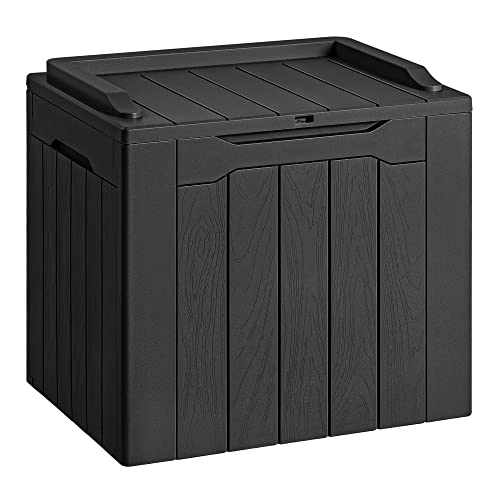
Waterproof Deck Box Buying Guide: Keep Every Cushion, Tool, and Toy Bone-Dry
Everything you need to know before choosing an outdoor storage box that actually keeps water out — materials, seals, sizes, ventilation, and the features that matter most.
Start the GuideWhy this guide matters: A deck box is one of the hardest-working pieces on any patio. It stores cushions, pool towels, garden tools, grill accessories, and kids' toys — often through rain, heat, and freezing nights. But "waterproof" is used loosely in product listings. This guide explains what genuinely keeps moisture out, so you can choose a box that protects your gear for years instead of seasons.
What a Waterproof Deck Box Actually Does
A waterproof deck box is an outdoor storage container engineered to keep the contents dry even when rain, sprinklers, or snow sit on the lid for hours. Unlike a simple storage bench, a genuinely watertight box relies on three things working together: a lid that overlaps the body, a gasket or seal at the contact point, and a body that does not absorb or wick moisture.
Most people buy a deck box to solve one of four storage problems:
- Cushion storage: Patio chair and bench cushions are bulky, expensive to replace, and prone to mildew when left damp. A sealed box protects them from rain and morning dew. If cushions are your priority, our guide on waterproof outdoor cushion storage containers covers sizing and ventilation in more depth.
- Tool and accessory storage: Pruners, gloves, hose nozzles, and small power tools stay rust-free and ready. For heavier tool collections, compare options in our outdoor tool storage overview.
- Pool and spa gear: Towels, floats, goggles, and chemical test kits benefit from a box near the water's edge that sheds splashes.
- Everyday outdoor living: Throw blankets, lanterns, board games, and kids' toys stay clean and within reach.
Understanding your primary storage type matters because cushion storage needs ventilation, while tool storage prioritizes a tight seal and lockability. A box that is perfect for one use can be frustrating for the other.
The Factors That Decide Whether a Deck Box Stays Dry
1. Material and Construction
The shell material determines how the box handles moisture, sun, and temperature swings over time. The four common categories behave very differently:
Resin & Heavy-Duty Plastic
The most dependable choice for water resistance. Resin does not rot, absorb water, or rust, and it handles UV exposure well. Mid-range and premium resin boxes often include molded gaskets and double-wall construction. This is the safest starting point for most buyers.
High-Grade Metal
Powder-coated steel or aluminum with a rust-proof finish can be excellent, especially in commercial-grade or professional-grade lines. The weak points are seams and hinges, so check that the lid overlaps the body and that hardware is stainless. Metal boxes usually feel more secure and lockable.
Wood & Composite
Wood looks warm and natural but requires sealing and re-sealing to stay watertight; even then, standing water can stain or warp it. Composite and engineered wood are more forgiving than solid wood but rarely match resin for pure water exclusion. Best for covered porches rather than open decks.
Fabric & Soft-Sided
Soft-sided deck boxes are lightweight and foldable but are water-resistant at best, not waterproof. They suit temporary storage or covered areas and are a good fit for renters or small balconies — not for year-round cushion protection.
2. Lid Design and Sealing
This is where most "waterproof" claims fall apart. A flat lid resting on a flat rim will let water creep in during wind-driven rain. Look for:
- An overlapping or domed lid that channels water off the sides rather than pooling on top
- A continuous gasket or weatherstrip around the lid's contact edge
- Raised feet or a recessed base so the bottom does not sit in puddles
- Sealed or covered hinges that do not create open gaps when the lid is closed
If a product page describes the box as "water-resistant" without mentioning a gasket or seal, treat it as splash protection rather than full weather protection.
3. Ventilation vs. Sealing — the Balance
Here is the counterintuitive part: a perfectly sealed box can still grow mildew if you store slightly damp cushions inside. Warm air plus trapped humidity equals condensation on the lid's underside, which then drips onto your gear. The best boxes solve this with small ventilation channels that let humid air escape while still blocking rain. Some models position vents under the lid overhang so water cannot enter. If you store cushions, prioritize ventilation; if you store tools, prioritize the seal.
4. Size and Capacity
Deck boxes are commonly grouped into three practical size classes. Measure your largest cushion and your available deck space before choosing — oversized boxes crowd walkways, and undersized boxes leave cushions stacked on the floor.
| Tier | Typical Capacity | Best For |
|---|---|---|
| Compact / entry-level | Small — fits a few tools, toys, or one folded blanket | Balconies, small patios, poolside accessories, entryway seating |
| Mid-range standard | Medium — fits two to four chair cushions or a bench cushion | Most decks and patios; the most versatile all-round size |
| Large / high-end tier | Large — fits full dining set cushions or multiple lounger pads | Full outdoor furniture sets, families, pool decks, entertaining areas |
Remember that interior capacity is smaller than the exterior footprint once you account for walls and a raised base. When in doubt, size up — a partly empty box is easier to live with than one that barely closes.
5. Dual-Purpose Seating
Many deck boxes double as a bench, which is a smart way to reclaim space on a small patio. If seating matters, check the load rating and whether the lid has a reinforced spine so it does not flex when someone sits on it. A storage bench that doubles as seating pairs naturally with a compact outdoor setup; if you are furnishing a small area, our guide to small patio ideas shows how storage benches fit into tight layouts.
6. Locks, Latches, and Security
Lockable lids serve two purposes: deterring casual theft and keeping the lid from flipping open in high wind. Look for a hasp that accepts a padlock or cable lock. Soft-close hinges are a premium-tier feature that prevents slamming and protects little fingers — worth having if children use the patio.
7. Portability and Placement
Large boxes are heavy once loaded. If you plan to move yours for cleaning or seasonal storage, choose a model with recessed handles or casters. Also plan placement: a box against a wall or railing is more wind-stable and keeps walking paths clear. Before buying, confirm the box fits through gates and doorways if it ever needs to move.
Matching the Box to Your Space
Open, unsheltered decks demand the strongest water exclusion: resin with a gasketed overlapping lid, raised feet, and ventilation. Avoid wood and soft-sided boxes here.
Covered porches and pergolas are more forgiving. You can lean toward aesthetics — wood or composite — because direct rain is limited. A water-resistant box often performs well enough under a roof.
Poolside areas benefit from plastic or resin boxes that shrug off splashes and chlorine. A box near the pool is also a natural spot for towels and goggles, so prioritize easy-open latches over heavy locks.
Balconies and small patios favor compact, dual-purpose boxes that double as seating. Check building rules on weight and anchoring before buying a large resin model.
Common Mistakes Buyers Make
- Trusting the word "waterproof" at face value. Check for a gasket, an overlapping lid, and a raised base before believing the claim.
- Ignoring ventilation. A sealed box with damp cushions traps humidity and grows mildew. Dry cushions fully before storage and choose a ventilated design.
- Buying too small. Measure your largest cushion and add margin. Buying twice is worse than buying one size larger.
- Skipping the base check. A box sitting directly on a wet deck wicks moisture upward. Raised feet matter more than most shoppers realize.
- Forgetting winter. Freeze-thaw cycles crack thin plastic. If your region freezes, favor thicker walls and a design that sheds standing water.
Care and Maintenance for Long Life
A waterproof deck box stays waterproof longer with minimal upkeep. Wipe the gasket and lid contact edge every few months to remove grit that breaks the seal. Rinse resin boxes with a garden hose and mild soap; avoid abrasive pads that scratch the UV coating. For metal boxes, touch up any chips in the rust-proof finish promptly. In autumn, clear leaves from the lid so standing debris does not hold moisture against the surface. If you store cushions seasonally, air them out on a dry day once a month during humid periods.
If you also keep cushions and furniture outdoors year-round, our weatherproofing guide covers broader protection strategies that pair well with a deck box. And for matching storage that stays indoors or in a covered area, see our overview of a waterproof outdoor cabinet.
Frequently Asked Questions
Are all deck boxes truly waterproof?
No. Many are only water-resistant, meaning they shed rain but can let moisture in through seams and gaps during heavy storms. True waterproof boxes use sealed gaskets, overlapping lids, and raised bottoms. Always check how the lid closes and whether a gasket is specified.
What material is best for a waterproof deck box?
Resin and heavy-duty plastic are the most reliable because they do not absorb moisture, rot, or rust. High-grade metal with a rust-proof finish also works when seams and lids are properly sealed. Wood needs extra sealing and regular maintenance to stay watertight.
Can I leave cushions in a deck box all season?
Yes, if the box is genuinely watertight and ventilated. Trapped humidity causes mildew even in waterproof boxes, so look for ventilation channels. Dry cushions fully before storing and check them periodically during humid months.
How do I keep a deck box from blowing away?
Choose a heavier resin or metal model with pre-drilled feet for anchoring. Placing the box against a wall or railing and filling it with stored items adds stability. Locking lids secured with a cable or padlock also improve wind resistance.
Do I need a lockable deck box?
A lock is useful for two reasons: it deters casual theft and it keeps the lid from flipping open in strong wind. If the box sits in a public-facing area or holds tools, a lockable hasp is a sensible feature. For kids' toys on a private deck, it is optional.
Final Checklist Before You Buy
- Measure your largest cushion and confirm the interior dimensions fit with room to spare
- Confirm a gasket or weatherstrip exists at the lid contact edge
- Check for an overlapping or domed lid that channels water away
- Verify raised feet or a recessed base so the box is not sitting in water
- Decide whether you need ventilation (cushions) or a tight seal (tools)
- Confirm the lid supports seating if you want dual-purpose use
- Check the load rating and hinge quality if children or guests will sit on it
- Plan placement against a wall or railing for wind stability
With the right box, your cushions stay fresh, your tools stay rust-free, and your patio stays tidy through every season. Use the checklist above, match the material and seal to your exposure, and the choice becomes straightforward.