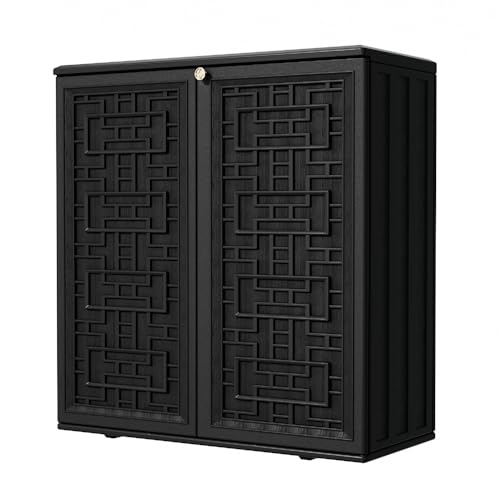
Waterproof Outdoor Cabinet: Complete Buying Guide
Protect cushions, tools, and patio essentials from rain, UV rays, and humidity with the right weatherproof storage solution.
What You Will Learn
If you have ever pulled a soggy cushion out of a storage box after a storm, you already understand why a genuine waterproof outdoor cabinet earns its place on the patio. A well-built cabinet does more than keep rain off your belongings — it shields against humidity, UV degradation, insects, and the freeze-thaw cycles that quietly destroy fabrics and tools over time.
This guide walks you through the material choices, sealing systems, and sizing logic that separate a cabinet that survives a decade of weather from one that warps by the second season. Whether you are storing throw pillows, gardening supplies, or serving ware, the principles below will help you evaluate options with confidence before you commit.
Why a Waterproof Cabinet Matters for Your Patio
Outdoor storage faces a tougher environment than indoor storage. Rain is the obvious threat, but it is rarely the only one. Consider what a cabinet endures across a single year:
- Driving rain and splash-back from hardscaping that pushes water upward against seams and door frames.
- Condensation cycles when warm daytime air meets cooler night temperatures inside a closed box.
- UV exposure that breaks down plastics and fades finishes on outward-facing panels.
- Pests and mold that thrive in damp, dark interiors with poor airflow.
A cabinet rated as water-resistant may shed a light shower, but a true waterproof build uses gaskets, sealed joints, and raised bases to keep the interior dry even in sustained weather. That distinction matters most if you plan to leave the cabinet outdoors year-round.
Waterproof Cabinet Materials Compared
Material choice drives durability, weight, and how the cabinet ages. Here is how the most common options compare for outdoor use:
| Material | Water Resistance | Best For | Maintenance Notes |
|---|---|---|---|
| High-grade resin / HDPE | Excellent — non-porous body | All-weather patios, coastal areas | Wipe clean; no sealing required |
| Powder-coated steel | Very good with gasketed doors | Security-focused storage, heavy items | Inspect coating for chips annually |
| Aluminum | Good — rust-proof frame | Lightweight mobile cabinets | Check hinges and fasteners for wear |
| Teak / sealed hardwood | Moderate — requires upkeep | Design-forward patios with cover | Re-oil or seal each season |
Resin cabinets dominate the waterproof category because the body itself cannot absorb moisture. Metal cabinets can be equally watertight when the door seal is sound, but they demand more attention to coating integrity. Wood cabinets look wonderful alongside pieces like a teak wood furniture collection, yet they are the least forgiving if maintenance slips.
If your patio already leans toward natural tones, pairing a resin cabinet with a teak patio furniture set can soften the visual contrast. For a fully unified look, some homeowners place the cabinet beside a teak outdoor side table that doubles as a serving surface.
Key Features to Check Before Buying
Two cabinets can look identical online but behave very differently in the rain. Focus on these details:
1. Door Seals and Gaskets
A continuous rubber or silicone gasket around the door perimeter is the single most important waterproofing feature. Magnetic seals are convenient but degrade faster in outdoor heat; compression gaskets hold up better over time.
2. Raised Base and Drainage
Water should have nowhere to pool. Sloped tops, raised feet, and drainage channels at the bottom all reduce the chance of standing water finding its way inside.
3. Hinge and Latch Quality
Rust-proof stainless hinges and adjustable latches keep the door aligned so the gasket compresses evenly. A door that sags after a season will leak regardless of how good the seal was when new.
4. Ventilation Strategy
Fully sealed cabinets can trap condensation. Many quality units include small screened vents or a moisture-absorbing insert bay. If yours does not, plan to add a desiccant pack.
5. Locking Mechanism
If you store tools or electronics, a keyed or padlock-ready latch adds security without compromising the seal — provided the lock housing is also weatherproofed.
Sizing and Placement: Getting It Right the First Time
Measure twice — literally. A cabinet that is too deep will block a walkway, and one that is too tall can dominate a small balcony. Start by listing what you actually need to store:
- Cushions and throw pillows: Look for interior depth that matches the folded cushion stack; a waterproof container for outdoor cushions approach works best with vertical stacking.
- Tools and small equipment: Shelving or divided interiors prevent clutter and improve airflow.
- Tableware and serving items: A cabinet near the dining zone saves trips inside; placing it beside a teak outdoor dining set keeps the flow natural.
Placement matters as much as size. Keep the cabinet on a level, well-drained surface and avoid spots where roof runoff pours directly onto the lid. If your patio has a pergola or awning, tucking the cabinet under partial cover extends its service life even if it is fully waterproof.
For narrow balconies, a vertical outdoor storage cabinet waterproof design uses height instead of floor space — a smart trade-off when every square foot counts. Homeowners with larger decks sometimes pair a low cabinet with a waterproof deck box for overflow seating storage.
Product Tiers: Matching the Cabinet to Your Needs
Rather than chasing a specific number, think in terms of market positioning. Most waterproof cabinets fall into three broad tiers:
| Tier | Typical Characteristics | Best For |
|---|---|---|
| Entry-level | Single-wall resin, basic latch, limited gasket coverage | Covered patios, light seasonal use |
| Mid-range | Double-wall resin or coated metal, full-perimeter gasket, raised base | Year-round outdoor exposure, family patios |
| Premium / high-end tier | Reinforced frame, adjustable hinges, integrated ventilation, premium seals | Coastal climates, heavy daily use, long-term investment |
Mid-range models usually deliver the best balance for most households: they seal reliably without the added complexity of premium hardware. If your patio sits in a region with salt air or frequent storms, the high-end tier is a worthwhile investment because the sealing system is engineered to last rather than merely pass a first-season test.
Whichever tier you choose, compare the cabinet against your existing furniture footprint. A cabinet that clashes in scale with a teak outdoor coffee table or a teak outdoor furniture set will always feel out of place, no matter how well it performs.
Maintenance Tips to Extend Cabinet Life
A waterproof cabinet is not maintenance-free, but the routine is short:
- Seasonal gasket check: Wipe the door seal with a damp cloth and inspect for cracks. A thin application of silicone-safe lubricant keeps it pliable.
- Clear the lid: Remove leaves and debris so water drains freely instead of pooling on top.
- Air it out: On dry days, open the cabinet for an hour to release trapped humidity.
- Use desiccant packs: Replace moisture absorbers every few months, especially in humid seasons.
- Touch up coatings: For metal cabinets, treat any chip in the powder coat immediately to prevent rust spread.
If you also store cushions separately, our guide to water-resistant outdoor furniture cushions explains which fabrics tolerate enclosed storage best. And if your cabinet sits near seating, waterproof outdoor chair cushions are worth considering for the chairs themselves.
Frequently Asked Questions
What makes an outdoor cabinet truly waterproof?
A truly waterproof cabinet combines sealed seams, gasketed doors, raised feet, and non-porous materials such as high-grade resin or powder-coated metal. These features prevent water from pooling, seeping, or wicking into the interior.
Can a waterproof outdoor cabinet stay outside through winter?
Yes, provided the cabinet is rated for freezing conditions. Resin and heavy-duty metal units with reinforced frames handle frost well, but you should still clear snow accumulation and keep the base elevated above standing water.
How do I keep the inside of an outdoor cabinet dry?
Use a moisture absorber or desiccant packet inside the cabinet and inspect the door gaskets seasonally. Storing items in breathable containers and leaving small ventilation gaps on dry days also helps control condensation.
Is a resin or metal cabinet better for coastal patios?
Resin is generally the safer choice near salt air because it cannot corrode. If you prefer metal, look for marine-grade aluminum or a powder-coated finish specifically rated for coastal exposure, and rinse the cabinet periodically to remove salt residue.
Ready to Compare Waterproof Cabinets?
Browse our curated selection of weatherproof outdoor storage options and find the right fit for your patio layout.
Explore Options