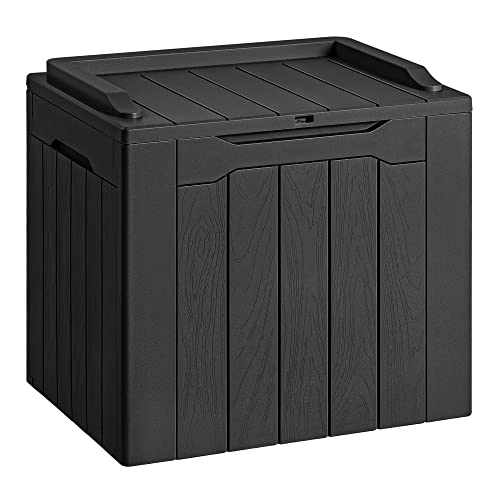
Waterproof Outdoor Box: The Complete Buyer's Guide
Keep cushions, tools, and patio essentials bone-dry through rain, humidity, and seasonal storms. Learn how seals, materials, and sizing decide whether a box truly protects what you store inside.
Explore the Buying GuideWhy a waterproof outdoor box matters: An outdoor box is only as good as its weakest seal. A box marketed as water-resistant may shed light drizzle but fail in a downpour or during weeks of humid weather. This guide explains the difference between water-resistant and waterproof construction, shows you which features actually keep moisture out, and helps you match a box to the items you plan to store. By the end, you will know exactly what to look for before you buy.
What "Waterproof" Really Means for an Outdoor Box
Manufacturers use the terms water-resistant and waterproof loosely, so the label on the box is a starting point rather than a guarantee. In practice, a genuinely waterproof outdoor box relies on three design elements working together: a lid that overlaps the base and compresses against a gasket, a body with sealed or welded joints, and a floor that sits above standing water so the contents never touch a damp surface.
Water-resistant boxes typically handle splashes, light rain, and morning dew. They are a reasonable match for covered porches and items that tolerate occasional dampness. Waterproof boxes are built for direct rain exposure and extended wet seasons, and they usually carry a gasket seal, a raised interior floor, and drainage channels around the lid. If you plan to store fabric cushions, electronics, or tools that rust, the waterproof category is the safer choice.
Pay attention to the closure system as well. Hinged lids with a compression latch press the seal firmly against the rim, while simple rest-on lids depend on gravity and can lift in wind. For a patio cushion box that stays outside year-round, a latch plus gasket combination is the most dependable arrangement.
Comparing Box Materials: Resin, Wood, Metal, and Plastic
The material determines how the box handles moisture, how much maintenance it needs, and how long it lasts. The table below summarizes the trade-offs across the four common categories. Note that the descriptors refer to market position and build quality, not to any specific figure.
| Material | Tier | Water Behavior | Best For | Maintenance |
|---|---|---|---|---|
| Resin / Polypropylene | Essential to mid-tier | Non-absorbent body; performance depends on lid seal | Cushions, toys, general patio gear | Wipe clean; check seal annually |
| Teak / Hardwood | Mid-range to premium | Naturally moisture-tolerant; needs sealing for full water resistance | Design-forward patios; covered areas | Re-oil periodically; inspect joints |
| Powder-Coated Steel | Mid-tier to high-end tier | Rust-proof finish when intact; chips expose metal | Lockable tool and equipment storage | Touch up chips; lubricate hinges |
| Heavy-Duty Plastic | Starter tier to mid-tier | Fully non-absorbent; lightweight seals can degrade | Quick-access storage; rental patios | Minimal; replace worn gaskets |
Resin remains the most popular choice because it balances moisture resistance with low upkeep, and mid-range resin boxes often add double-wall construction that stiffens the body and reduces lid flex. Wood suits homeowners who want the box to read as furniture rather than utility storage; a sealed teak box pairs naturally with a teak outdoor furniture collection. Metal boxes are the pick when security matters, since many accept a padlock, but they demand attention to any coating damage. Whichever material you choose, confirm that the lid gasket is replaceable, because that single component usually determines how long the box stays waterproof.
Sizing the Box to What You Actually Store
The most common buying mistake is choosing a box that is too small. Cushions compress when stacked, and a tightly packed box leaves no room for air movement, which encourages condensation. Measure your folded cushions, add clearance on every side, and confirm the interior height clears the full stack with the lid closed.
Typical uses and the box category that fits them:
- Cushions and seat pads: a long deck box with interior height for a stacked set. Pair it with a dedicated waterproof outdoor cushion storage container if you store multiple sets.
- Pool towels and floats: a wide, low-profile box placed near the water line.
- Tools and small equipment: a lockable, vertical cabinet that keeps items off the floor. A waterproof outdoor cabinet is a better fit than a flat deck box for this job.
- Everyday grab-and-go items: a bench-style box that doubles as seating.
If your patio is short on floor space, a vertical design uses less footprint while keeping the same interior volume. For a broader look at storage options that complement a patio layout, the waterproof deck box guide covers the most common configurations and where each one fits best.
Features That Decide Whether the Box Stays Dry
The lid seal and overlap
A lid that overlaps the base by an inch or more and compresses a rubber or foam gasket creates the primary barrier. A flat lid resting on a flat rim looks tidy but lets wind-driven rain creep in. Check that the gasket runs the full perimeter without gaps at the corners, where leaks usually start.
Raised interior floor
Even a well-sealed box can accumulate a little moisture from condensation or from items placed inside while damp. A raised floor keeps contents above any water that collects at the bottom and improves airflow underneath.
Drainage and ventilation
Small drainage channels around the lid direct water away from the opening, and optional vents equalize pressure and reduce condensation. In humid climates, a vented box performs noticeably better than a fully sealed one, provided the vents are positioned so rain cannot enter.
Hinges, latches, and locks
Stainless or coated hinges resist corrosion, and a compression latch pulls the lid down evenly. If security is a priority, look for a hasp that accepts a padlock. Soft-close hinges are a worthwhile upgrade on large boxes where the lid is heavy.
UV-stable finish
Sun degrades plastic and fades coatings long before rain becomes a problem. A UV-stabilized body keeps its color and avoids the brittleness that leads to cracks. The same principle applies to fabric stored inside, so consider pairing your box with UV-protected fabric for outdoor furniture to extend cushion life.
Market Tiers: What Each Level Typically Delivers
The descriptors below describe relative market position and build quality. They are consistent across this guide and do not refer to any specific figure.
Entry-Level Boxes
Single-wall plastic or resin bodies with a simple overlapping lid. Suitable for covered patios and light-duty storage. Expect basic hinges and a gasket that may need replacement after a few seasons.
Balanced Boxes
Double-wall resin or sealed wood with a full-perimeter gasket, raised floor, and compression latch. A solid choice for year-round outdoor use in most climates and the most common category for cushion storage.
Premium Boxes
Reinforced frames, marine-grade hardware, soft-close hinges, and lockable hasps. Often designed as furniture-grade pieces that coordinate with a patio set. Built for direct rain exposure and long service life.
Professional Boxes
Heavy-duty construction for shared or high-traffic spaces, with tamper-resistant latches and replaceable seals. Overbuilt for a single patio but valuable where the box sees constant use.
Within each tier, the deciding factor is usually the seal and hinge quality rather than the body material. A well-sealed mid-tier resin box often outperforms a high-end tier box with a worn gasket, so inspect those components first when comparing options.
Placement and Setup for Maximum Protection
Even the best box can fail if it sits in a low spot where water pools. Place the box on a level, well-drained surface such as a patio slab or a gravel pad, and avoid the drip line of a roof or the runoff path from a downspout. Slight elevation, using feet or a low platform, keeps the base clear of standing water and improves airflow underneath.
Position the box where it gets partial shade if possible. Full afternoon sun heats the lid, which drives condensation inside as the box cools at night. If shade is unavailable, a lighter-colored lid helps. When the box sits near a seating area, check that the lid opens fully without hitting furniture, and leave a few inches of clearance behind the hinges.
For patios that combine storage with lounging, a box placed beside a teak outdoor daybed keeps throws and cushions within reach. If the box doubles as a side surface, a cushion-topped lid works well next to a teak outdoor coffee table arrangement.
Seasonal Maintenance That Extends Box Life
A waterproof box needs less attention than furniture, but a short seasonal routine keeps the seal effective:
- Clean the gasket: wipe away grit and pollen with a damp cloth; trapped debris creates gaps.
- Inspect the seal: look for cracks, compression marks, or sections that no longer contact the rim. Replace the gasket if water reaches the interior after a storm.
- Check the floor: remove contents and dry any condensation before storing items for the season.
- Lubricate hinges and latches: a silicone-based lubricant keeps them moving and prevents corrosion.
- Clear the lid: in snowy regions, brush off accumulation to avoid warping and stress on the hinges.
Store only dry items. Placing damp cushions or towels inside is the fastest way to create a musty interior, regardless of how well the box seals. If you store fabric, a moisture absorber placed in a corner helps during humid months.
Complementary Storage Solutions
Many patios need more than one storage point. A large box near the seating area handles cushions, while a smaller container near the grill or garden bed holds tools and small gear. A waterproof container for outdoor cushions is useful when you want a dedicated, easy-to-move option, and a waterproof deck box suits a fixed position on the deck. For narrow spaces beside a wall, a vertical outdoor storage cabinet waterproof design uses height instead of floor area.
If you are furnishing the patio at the same time, plan storage alongside seating so the box reads as part of the layout rather than an afterthought. A teak patio furniture set pairs naturally with a wood or resin box in a similar tone, and a teak outdoor furniture set often leaves a natural spot for a box at one end of the arrangement.
Ready to Protect Your Patio Gear?
Compare the waterproof outdoor boxes featured below, check availability, and match a box to the items you store. Every option is chosen for seal quality, build, and practical everyday use.
View Recommended Boxes