Waterproof Fabric for Outdoor Furniture Covers: The Complete Guide
Understand materials, coatings, breathability, and care so you can choose a cover that genuinely protects your patio furniture through every season.
Why this guide matters: A cover is only as good as its fabric. Many shoppers discover too late that a "waterproof" label does not always mean long-term protection. This guide explains how waterproof fabrics actually work, which constructions suit different climates, and how to care for a cover so it keeps performing for years.
What Actually Makes a Fabric Waterproof?
Waterproof fabric for outdoor furniture covers is not a single material — it is a system. Three elements work together to keep moisture away from your furniture:
- The base fabric: Usually polyester, nylon, or canvas. Polyester is the most common because it resists UV degradation and holds coatings well.
- The coating or laminate: A layer of polyurethane (PU), PVC, or thermoplastic polyurethane (TPU) applied to the back of the fabric. This is the actual waterproof barrier.
- The finish: A durable water repellent (DWR) treatment on the outer surface that causes water to bead and roll off before it ever reaches the coating.
When all three are present and well-made, the cover sheds rain effectively. When any one is missing — for example, a coated fabric with no DWR finish — water can saturate the outer layer, and the cover becomes heavy, slow to dry, and prone to mildew.
Waterproof vs. Water-Resistant: A Critical Difference
These terms are often used interchangeably in marketing, but they describe different levels of protection. Water-resistant fabric slows water absorption but will eventually let moisture through under sustained rain or pooling. Waterproof fabric is engineered to block liquid water entirely, typically through a laminated or coated membrane. For furniture that stays outside year-round, waterproof construction is the safer standard. If you are also evaluating cushion protection, the same logic applies to water-resistant outdoor furniture cushions, which benefit from a similar layered approach.
Why Breathability Matters as Much as Waterproofing
A fully sealed cover can trap condensation underneath. Temperature swings between day and night cause moisture to form on the furniture surface, and without a way to escape, that moisture sits against the frame and cushions. Over time this leads to mold, mildew, and corrosion — the exact problems the cover was meant to prevent.
The best outdoor covers balance waterproofing on the outside with ventilation on the inside. Look for these features:
- Breathable membrane fabrics: Materials that block liquid water but allow water vapor to pass through.
- Vented panels: Mesh or screened vents that promote air circulation.
- Elevated hems: A small gap at the bottom that lets air move without letting rain in.
In humid climates, breathability is arguably more important than a higher waterproof rating. A slightly breathable cover that dries quickly will outperform a fully sealed cover that traps condensation.
Comparing Common Cover Fabrics
Different fabrics suit different needs. The table below compares the most common options using universal quality tiers rather than any specific figures.
| Fabric Type | Tier | Best For | Key Consideration |
|---|---|---|---|
| Polyester with PU coating | Essential tier | Everyday rain protection, mild climates | Lightweight and widely available; coating can degrade with prolonged UV exposure |
| Solution-dyed acrylic canvas | Mid-range | Sun-heavy regions, long-term outdoor use | Excellent UV resistance; usually needs a separate waterproofing treatment |
| Polyester with TPU laminate | Premium | Four-season climates, heavy rain and snow | Strong waterproof barrier with good flexibility; higher upfront investment |
| Heavy-duty PVC-coated fabric | Commercial-grade | High-wind areas, commercial patios, long-term storage | Maximum durability and water resistance; heavier and less breathable |
For most residential patios, a mid-range solution-dyed acrylic with a waterproof backing offers a sensible balance. If your furniture sits under trees or in a region with frequent storms, a premium laminated fabric is a worthwhile investment. The same tiering logic applies when comparing covers to waterproof cushions for outdoor furniture — matching the protection level across your setup prevents weak points.
Features to Look For in a Quality Cover
Beyond the fabric itself, construction details determine how well a cover performs over time:
- Reinforced seams: Double-stitched or taped seams prevent water from seeping through stitch holes.
- Elastic or drawstring hems: A snug fit stops wind from lifting the cover and keeps rain from blowing underneath.
- UV-stabilized threads: Standard thread breaks down in sunlight; UV-stabilized thread lasts far longer.
- Weighted corners or tie-downs: Essential in windy locations to keep the cover in place.
- Ventilation panels: As discussed, these reduce condensation and mildew risk.
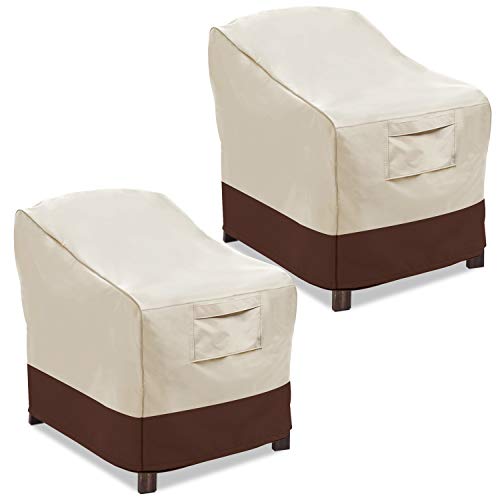
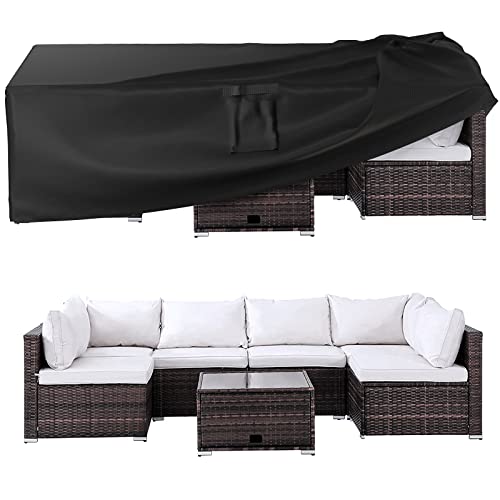
A well-designed cover also fits the specific furniture shape. Loose covers pool water and flap in the wind, while overly tight covers stress seams. If you are covering a larger seating piece, consider how a dedicated cover compares with general waterproof outdoor chairs protection strategies — the fit principle is the same.
Matching Fabric to Your Climate
Your local weather should guide your fabric choice more than any marketing claim:
- Rainy, mild climates: Prioritize waterproofing and quick-drying properties. A PU-coated polyester is sufficient and efficient in the long run.
- Hot, sunny regions: UV resistance matters most. Solution-dyed acrylic resists fading and degradation far better than standard polyester.
- Four-season climates: Choose a premium laminated fabric that handles freeze-thaw cycles and snow load without cracking.
- Humid or coastal areas: Breathability and corrosion resistance are critical. Avoid fully sealed covers that trap moisture, and look for rust-proof hardware.
- Windy locations: Heavier commercial-grade fabric with secure tie-downs prevents the cover from becoming a sail.
Caring for Waterproof Covers
Even the best fabric degrades without maintenance. A few simple habits extend cover life significantly:
- Clean regularly: Rinse with mild soap and water, then air-dry fully before reinstalling. Dirt and bird droppings break down DWR finishes.
- Reapply water repellent: DWR treatments wear off over time. A spray-on fabric protector restores beading and is far more efficient than replacing the cover.
- Store dry: Never fold and store a damp cover — trapped moisture causes mildew. Ensure it is completely dry before storage.
- Inspect seams and hardware: Check for loose stitching and rusted grommets each season and repair early.
- Avoid sharp edges: Pad furniture corners that could puncture the fabric.
If you store cushions and smaller items separately, dedicated storage solutions help. A waterproof container for outdoor cushions keeps soft goods dry and organized, complementing your furniture covers.
Common Mistakes to Avoid
- Assuming "waterproof" means maintenance-free: Coatings and finishes need periodic care to keep working.
- Choosing a fully sealed cover in a humid climate: This traps condensation and accelerates mildew.
- Ignoring fit: A loose cover pools water and flaps; a tight one stresses seams.
- Covering wet furniture: Always let furniture and cushions dry before covering.
- Overlooking UV protection: Sun damage breaks down fabric and coating faster than rain in many regions.
For a deeper look at protecting fabric from sun damage, the principles in this UV-protected fabric guide apply directly to cover longevity.
Frequently Asked Questions
Is waterproof fabric the same as water-resistant fabric?
No. Water-resistant fabric slows water absorption but will eventually let moisture through. Waterproof fabric uses a coating or laminate to block liquid water entirely. For year-round outdoor use, waterproof construction is the safer choice.
Can I use a waterproof cover on furniture that is already wet?
Avoid it. Covering damp furniture traps moisture underneath and encourages mildew. Let the furniture and cushions dry completely before installing the cover.
How often should I reapply water repellent?
Reapply when water stops beading on the surface — typically once a season in active weather areas. A spray-on fabric protector restores performance efficiently.
Do waterproof covers cause mold?
Fully sealed covers can trap condensation if they lack ventilation. Choose covers with breathable membranes or vented panels, and always cover dry furniture, to minimize mold risk.
Which fabric is best for a sunny climate?
Solution-dyed acrylic canvas offers the best UV resistance, resisting fading and degradation better than standard coated polyester. Pair it with a waterproof backing for full protection.
Ready to Protect Your Patio Furniture?
Explore our recommended waterproof covers and outdoor protection products below, selected to match the guidance in this article.