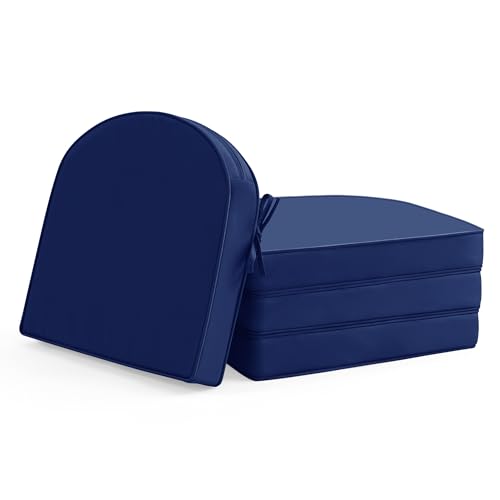
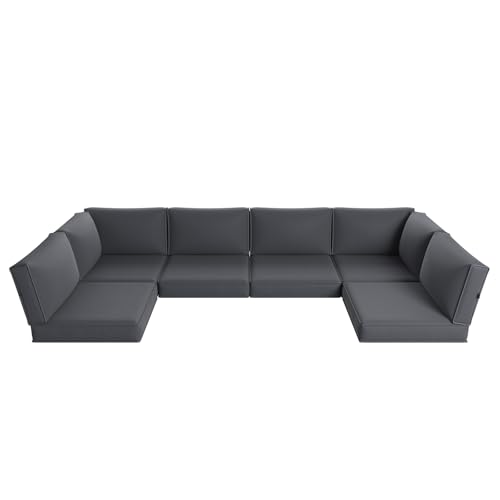
Waterproof Cushions for Outdoor Furniture
Learn how to choose weather-ready cushions that stay dry, hold their shape, and keep your patio seating comfortable through every season.
Why this guide matters: Outdoor cushions face rain, spills, sun, and humidity. Choosing the right waterproof construction is the difference between seating that lasts for seasons and cushions that sag, mildew, or fade within a year. This guide explains the materials, fills, and care routines that matter most.
Waterproof vs. Water-Resistant: Know the Difference
Many shoppers use these terms interchangeably, but they describe different levels of protection. Water-resistant fabrics repel light moisture and dry quickly, making them suitable for covered porches and occasional drizzle. Waterproof fabrics are engineered with a barrier layer or tight-weave construction that blocks liquid from passing through — the better choice for uncovered patios, poolside seating, and humid climates.
If your furniture sits fully exposed to the elements, prioritize waterproof outer fabrics paired with quick-dry foam cores. For semi-sheltered spaces, a quality water-resistant cover combined with a waterproof inner liner often delivers the best balance of breathability and protection. You can explore dedicated water-resistant outdoor furniture cushions if your setup is mostly shaded.
Key Materials That Make Cushions Waterproof
Performance starts with the fabric and the fill. Here are the most common constructions you will encounter:
Polyester with PU Coating
Polyester treated with a polyurethane backing offers solid splash resistance at an entry-level position. It handles light rain but can degrade under prolonged UV exposure, so look for UV-stabilized versions.
Solution-Dyed Acrylic
Solution-dyed acrylic is color-fast and highly water-resistant. Many mid-range cushions pair it with a waterproof backing for reliable everyday protection without sacrificing a soft hand-feel.
Olefin & High-Density Woven Fabrics
Olefin fibers naturally resist moisture, mildew, and fading. Premium weaves often include sealed seams and hidden zippers that keep water out of the core during heavy rain.
Marine-Grade Laminated Fabrics
Commercial-grade and marine-grade laminated fabrics deliver the highest waterproof rating, commonly used on boats and uncovered resort patios. They are heavier but extremely durable.
Don't Ignore the Fill: Foam and Fiber Choices
A waterproof cover only protects the outside. If water reaches the fill, cushions can hold moisture for days. Look for these fill technologies:
- Quick-dry reticulated foam — an open-cell structure that lets water drain and air circulate, preventing mildew buildup.
- Closed-cell foam — blocks water absorption entirely, ideal for poolside and uncovered seating.
- Polyester fiber wrap — adds softness over the foam core; choose moisture-resistant variants for humid climates.
- Loose fiber fill — comfortable but the least water-tolerant; best reserved for covered areas.
When comparing waterproof outdoor chair cushions, check whether the fill is described as quick-dry or closed-cell — this is often the single biggest factor in long-term comfort.
Waterproof Cushion Tiers at a Glance
Use this comparison to match cushion construction to your exposure level and comfort expectations.
| Tier | Typical Construction | Best For | Durability Outlook |
|---|---|---|---|
| Entry-Level | Coated polyester, standard foam | Covered porches, light use | Moderate; re-cover or replace sooner |
| Mid-Range | Solution-dyed acrylic, quick-dry foam | Balconies, semi-sheltered patios | Good; several seasons with care |
| Premium | Olefin weave, sealed seams, closed-cell foam | Uncovered patios, poolside | Strong; multi-season performance |
| Top-Tier | Marine-grade laminate, reinforced stitching | Full sun and heavy rain exposure | Excellent; long-term investment |
Matching Cushions to Your Outdoor Furniture
Different seating types call for different cushion shapes and waterproof strategies. Dining chairs usually need slimmer, firmer cushions with tie-downs so they stay in place during meals. Lounge chairs and sofas benefit from thicker, quick-dry cores wrapped in waterproof fabric. If you are refreshing teak seating, pair waterproof cushions with a teak outdoor furniture set for a classic, weather-ready combination.
For curved or wicker seating, look for u-shaped outdoor cushions for wicker chairs that are cut to fit corners and offer the same waterproof backing. Rocking chairs need special attention to tie placement; dedicated waterproof outdoor rocking chair cushions are shaped to stay secure through motion.
Care and Storage for Long-Lasting Protection
Even the best waterproof cushions benefit from routine care. Follow these habits to extend their life:
- Brush off debris and rinse with mild soap and water monthly during active seasons.
- Stand cushions on edge to dry fully after rain — never stack them wet.
- Bring cushions indoors or into a waterproof outdoor cushion storage container during off-season or storms.
- Rotate cushions periodically to distribute sun exposure and wear evenly.
- Reapply fabric protectant designed for outdoor textiles once or twice a year.
If you plan to leave cushions outside year-round, a waterproof cover for a 3-seater garden swing or a matching bench cover adds an extra layer of defense. See our related guide on waterproof bench cushions for outdoor furniture for bench-specific sizing advice.
Common Mistakes to Avoid
- Assuming all waterproof fabrics breathe well. Heavy laminates block water but can trap heat; choose breathable options for seating you use in summer.
- Ignoring seam construction. Unsealed seams are the most common entry point for water. Look for welded or taped seams.
- Skipping tie-downs. Wind lifts loose cushions easily; integrated ties or straps keep them in place.
- Storing damp cushions. Always dry thoroughly before storing to prevent mildew and odor.
- Overlooking UV protection. Waterproofing does not guarantee fade resistance — check for UV-stabilized fabrics.
Frequently Asked Questions
Are waterproof outdoor cushions completely immune to rain?
Most waterproof cushions resist rain and spills on the surface, but seams and zippers can allow moisture to enter over time. Look for sealed seams and quick-dry foam cores for the best protection.
What is the difference between water-resistant and waterproof cushions?
Water-resistant fabrics repel light moisture and dry quickly, while waterproof fabrics are engineered to block water penetration entirely. For uncovered patios, waterproof is the safer choice.
How should I store outdoor cushions during the off-season?
Clean and fully dry the cushions, then store them in a breathable waterproof container in a dry area. Avoid sealing damp cushions, which can cause mildew.
Do waterproof cushions feel stiff or uncomfortable?
Modern waterproof fabrics are soft and breathable, and quick-dry foam cores retain shape well. Mid-range and premium tiers typically feel closest to indoor upholstery.
Final Thoughts
Waterproof cushions are one of the highest-impact upgrades you can make to an outdoor seating area. By matching fabric construction and fill type to your level of exposure, and by following simple care routines, you can keep your patio comfortable and dry through every season. For a broader refresh, pair your cushion choice with a coordinated teak outdoor furniture set and explore UV protection strategies to protect both fabric and frame.
Whether you are outfitting a compact balcony or a full backyard lounge, the right waterproof cushion is a long-term investment in comfort, hygiene, and visual appeal.