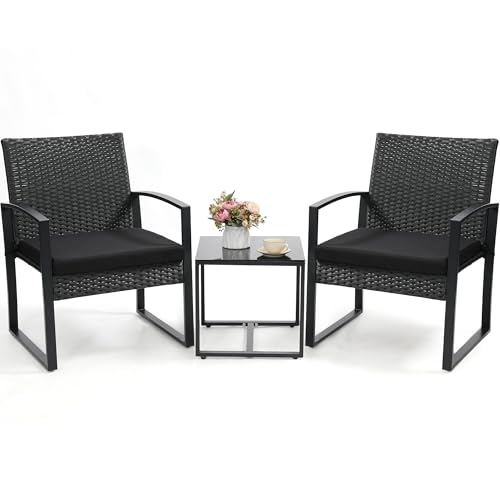
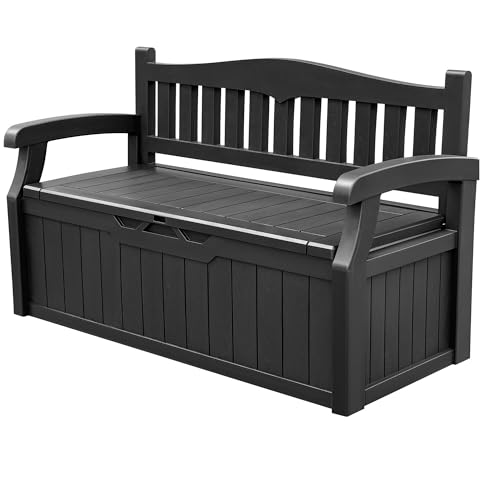
Waterproof Outdoor Chairs: The Complete Buying Guide
Everything you need to know about choosing weatherproof outdoor seating that survives rain, sun, and everyday use — from frame materials to fabric technology.
Explore the GuideWhy waterproof outdoor chairs matter: Outdoor seating is an investment in your backyard lifestyle. Chairs that resist moisture, UV rays, and temperature swings last longer, look better, and require less maintenance. This guide breaks down the materials, construction details, and care routines that separate truly weatherproof chairs from fair-weather furniture.
Why Waterproof Outdoor Chairs Are Worth It
Outdoor chairs face a relentless cycle of sun, rain, humidity, and temperature change. Even in mild climates, moisture is the leading cause of premature wear: it warps wood, corrodes metal, breeds mildew in cushions, and weakens joints. A waterproof or water-resistant chair is engineered to resist these forces rather than merely tolerate them.
The benefits go beyond durability. Weatherproof chairs stay ready to use after a rain shower — no frantic drying, no dragging cushions inside. They also hold their appearance longer, which matters if your patio is a visible extension of your home. For households in rainy regions, coastal areas, or climates with high humidity, waterproof construction is not a luxury; it is the baseline for a functional outdoor space.
It is also worth understanding that "waterproof" and "water-resistant" are not interchangeable. Water-resistant chairs repel light rain and spills but can absorb moisture under prolonged exposure. Waterproof chairs are designed with sealed seams, non-absorbent materials, and drainage so that water cannot penetrate the structure or upholstery. When shopping, read the manufacturer's claims carefully and look for specific construction details rather than vague marketing language.
Materials That Make Outdoor Chairs Waterproof
The frame and the upholstery work together to determine how well a chair handles moisture. A waterproof frame paired with absorbent cushions still fails the test, and vice versa. Here is how the main material categories compare.
Frame Materials
- Powder-coated aluminum: The gold standard for weatherproof frames. Aluminum does not rust, and a powder-coated finish adds scratch and UV resistance. Lightweight yet sturdy, it is common in mid-range and premium outdoor seating.
- Stainless steel: Marine-grade stainless steel (often 304 or 316) resists rust and corrosion even in coastal environments. Heavier than aluminum, it suits high-end and commercial-grade furniture.
- Teak and other dense hardwoods: Naturally water-resistant due to high oil content. Teak weathers to a silver-gray patina and can last decades with minimal care. Look for kiln-dried wood and stainless steel hardware.
- High-density polyethylene (HDPE) and resin: Synthetic materials that do not absorb water, rot, or splinter. Often used in Adirondack-style chairs and entry-level outdoor seating; UV-stabilized versions resist fading.
- Wrought iron and cast aluminum: Durable and classic, but require a rust-proof finish and occasional touch-ups. Best for covered patios or dry climates.
Upholstery and Cushion Materials
- Solution-dyed acrylic: The leading outdoor fabric. Color is infused into the fibers rather than applied on top, so it resists fading and mildew. Many acrylics are treated with water-repellent finishes.
- Olefin (polypropylene): Inherently moisture-resistant and quick-drying. A solid choice for humid climates, though it can be less soft than acrylic.
- PVC-coated polyester and vinyl: Fully waterproof and easy to wipe clean. Common in dining chairs and commercial-grade seating; less breathable than woven fabrics.
- Quick-dry foam: Open-cell foam that lets water pass through instead of trapping it. Pair with mesh or drainage-friendly seat decks for best results.
- Sling and rope seating: Woven synthetic slings (often PVC or textilene) drain instantly and need no cushions. Popular in modern and coastal styles.
Pro tip: Even waterproof chairs benefit from a drainage-friendly design. Look for sloped seats, mesh bottoms, or grommets that let water escape rather than pool. Standing water is the enemy of any outdoor chair, regardless of material.
Comparing Waterproof Outdoor Chair Tiers
Waterproof outdoor chairs span a wide range of construction quality. The table below uses universal quality tiers rather than numeric figures, so it stays useful regardless of market conditions. Match the tier to your climate, usage frequency, and how long you expect the chairs to last.
| Tier | Typical Construction | Best For | Durability Outlook |
|---|---|---|---|
| Entry-level | Resin or HDPE frames, basic polyester cushions, minimal UV stabilization | Occasional use, covered porches, seasonal setups | Good for light exposure; may need replacement sooner in harsh climates |
| Mid-range | Powder-coated aluminum, solution-dyed acrylic cushions, welded joints | Everyday family use, mixed sun and rain exposure | Solid multi-season performance with routine care |
| Premium | Marine-grade stainless steel or dense teak, high-performance acrylic, sealed seams | Coastal homes, full sun and heavy rain, long-term use | Excellent longevity; repairable and refinishable |
| Luxury / commercial-grade | 316 stainless steel, premium teak, architectural-grade fabrics, precision joinery | Hospitality settings, exposed rooftops, design-forward patios | Decades of service with proper maintenance |
As a rule, moving up a tier buys you better materials, tighter tolerances, and more consistent weather resistance. A mid-range chair with a powder-coated aluminum frame and solution-dyed acrylic cushions often delivers the best balance for typical residential patios, while premium and luxury tiers make sense when the chairs will be exposed year-round or used daily.
Key Features to Look For
Beyond material labels, specific construction details reveal whether a chair is genuinely built for weather. Use this checklist when comparing options:
- Sealed or welded joints: Gaps and open seams let water into the frame, where it can corrode or freeze. Welded aluminum and sealed joinery are stronger signs than rivets alone.
- Rust-proof hardware: Stainless steel screws and bolts prevent the rusty streaks that ruin the look of an otherwise solid chair.
- UV-stabilized materials: Sun damage makes plastic brittle and fabric fade. Look for explicit UV resistance or stabilization claims.
- Drainage design: Sloped seats, mesh panels, and grommets keep water from pooling on cushions and seat decks.
- Removable, machine-washable covers: Even waterproof fabrics collect pollen and dirt. Washable covers extend the chair's usable life and keep it looking fresh.
- Weight and stability: Lightweight chairs are easy to move but can blow over in wind. Consider weight and add tie-downs or heavier frames in exposed locations.
- Stackability: Stackable chairs save space and make it easier to store seating during off-season or severe storms.
Care and Maintenance for Longevity
Waterproof chairs are low-maintenance, not no-maintenance. A simple routine keeps them performing and looking their best:
- Rinse and wipe regularly: Dirt and pollen trap moisture against surfaces. A monthly rinse with mild soap and water prevents buildup.
- Dry before storing: Never put damp cushions or chairs into storage. Moisture trapped in a closed space invites mildew.
- Inspect hardware seasonally: Tighten bolts and check for early signs of corrosion. Touch up powder coating or paint chips promptly.
- Use covers strategically: Breathable covers protect against debris while letting moisture escape. Avoid fully sealed covers that trap condensation.
- Store cushions during off-season: Even waterproof cushions last longer when kept dry and out of prolonged UV exposure during the off-season.
- Clean teak properly: A soft brush and mild soap are usually enough. Avoid pressure washing, which can raise the grain and strip natural oils.
Seasonal check: Before and after the rainy season, inspect all chairs for loose joints, pooling spots, and fabric wear. Small repairs now prevent structural failures later.
Matching Waterproof Chairs to Your Space
The right chair depends on where it lives. A covered porch has different demands than an open deck or a coastal balcony.
- Covered patios and porches: Water-resistant chairs are sufficient here. Prioritize comfort and design, since direct rain exposure is limited.
- Open decks and patios: Choose waterproof frames and quick-drying cushions. Drainage design matters as much as material choice.
- Coastal and lakeside settings: Salt air accelerates corrosion. Marine-grade stainless steel or powder-coated aluminum are the safest bets.
- Small balconies: Stackable or folding waterproof chairs maximize space and simplify storage during storms.
- Poolside: Vinyl or sling seating dries fastest and handles splashes without damage; avoid absorbent fabrics near the water line.
If your outdoor space includes a mix of covered and exposed zones, consider a hybrid approach: comfortable upholstered waterproof chairs under cover and sling or resin chairs in the fully exposed areas.
Frequently Asked Questions
Are waterproof outdoor chairs truly waterproof or only water-resistant?
It depends on construction. Fully waterproof chairs use non-absorbent frames, sealed seams, and drainage design so water cannot penetrate. Many chairs labeled "water-resistant" handle light rain but can absorb moisture under prolonged exposure. Check the specific materials and drainage features rather than relying on the label alone.
Can waterproof outdoor chairs stay outside all year?
Premium and luxury tiers with marine-grade frames and high-performance fabrics are designed for year-round exposure. Entry-level and some mid-range chairs benefit from covers or storage during harsh winters. Always follow the manufacturer's recommendations for your climate.
How do I prevent mildew on outdoor chair cushions?
Choose quick-dry foam and solution-dyed acrylic or olefin fabrics, which resist mildew. Keep cushions dry, stand them on edge after rain, and clean them regularly with mild soap. Store cushions indoors during extended wet periods or the off-season.
Is teak a good choice for rainy climates?
Yes. Teak is naturally water-resistant thanks to its oil content and is a proven material for outdoor furniture in wet climates. With occasional cleaning and a light oiling if you prefer a golden finish, teak chairs can last for decades.
Do waterproof chairs need covers?
Not always, but covers help. Breathable covers protect against debris, pollen, and prolonged UV exposure while allowing moisture to escape. Avoid fully sealed covers that trap condensation, and always dry chairs before covering them.
Related Guides on PatioFocus
- Waterproof Cushions for Outdoor Furniture
- Waterproof Chair Cushions for Outdoor Furniture
- Water-Resistant Outdoor Furniture Cushions
- Waterproof Fabric for Outdoor Furniture Covers
- UV-Protected Fabric for Outdoor Furniture
- The Most Comfortable Outdoor Lounge Chair
- Teak Outdoor Furniture
- Vintage Metal Outdoor Chairs
- Waterproof Outdoor Chair Cushions
- Waterproof Outdoor Rocking Chair Cushions