What Defines a Vintage Metal Outdoor Chair?
Vintage metal outdoor chairs are seating pieces produced in earlier decades, typically from wrought iron, cast aluminum, or steel. They are recognizable by their ornamental frames, slender legs, and often intricate scrollwork or lattice backs. Unlike modern molded chairs, these pieces were built with metal frames intended to last many seasons.
Two broad categories dominate the market: true vintage pieces (older originals) and vintage-style reproductions (new chairs designed with retro details). Both can work well outdoors, but the decision depends on your priorities. Originals offer unmatched character and patina, while reproductions provide predictable durability, standardized dimensions, and easier replacement parts.
If you are considering a broader metal seating collection, compare styles in our guide to vintage metal lawn chairs. For pieces that lean toward ironwork detailing, review vintage wrought iron patio furniture to see how metal type influences weight and maintenance.
Materials: Cast Iron, Wrought Iron, Steel, and Aluminum
The metal used in a chair’s frame determines weight, rust behavior, and repair options. Understanding these differences is the fastest way to evaluate any vintage metal outdoor chair.
- Wrought iron: Heavy, durable, and highly ornate. Wrought iron chairs are built to last but require periodic repainting to prevent rust. They suit stationary arrangements and settings where weight is not a concern.
- Cast iron: Very heavy with crisp, complex detailing. Cast iron garden furniture often features botanical or filigree patterns. It is sturdy but prone to chipping; touch-ups and seasonal protection matter.
- Cast aluminum: Lighter than iron and naturally rust-resistant. Cast aluminum chairs are easier to move and often ideal for balconies or decks where weight limits apply.
- Steel: Strong and commonly used in mid-tier vintage chairs. Quality steel with a powder-coated finish holds up well; exposed steel will rust if the coating is damaged.
When assessing a chair, check joints and welds first. A solid frame with surface rust is generally a better candidate than a lighter frame with cracked joints. For comparison across iron styles, see vintage cast iron garden furniture and vintage cast iron garden bench.
Popular Vintage Metal Chair Styles
Style influences both the visual fit of the chair and the level of maintenance it demands. Below are the most common styles buyers encounter.
Wrought Iron Scrollwork
Scrollwork backs, curled arms, and lattice patterns define classic wrought iron chairs. These pieces pair naturally with bistro tables and cottage-style patios. They are heavy-duty and often benefit from cushions for extended seating.
Cast Aluminum Retro
Mid-century cast aluminum chairs often feature clean lines, tapered legs, and perforated seats. They are lighter and more portable, making them a practical choice for renters or mixed seating arrangements.
Industrial Steel Frames
Steel-framed chairs with slatted or mesh seats bring an industrial look. They are often mid-tier in construction and suit modern or loft-style outdoor spaces. Rust-proof finishes are important for longevity.
For related seating that pairs well with these styles, explore vintage lawn chairs and vintage aluminum chaise lounge with wheels.
How to Evaluate a Vintage Metal Chair Before Buying
Use this practical checklist to assess condition and avoid costly surprises.
- Frame integrity: Look for cracks, bends, or repairs at joints. Solid welds and straight legs indicate a sound frame.
- Rust depth: Surface rust is manageable; deep pitting or holes indicate structural compromise.
- Finish condition: Chipped paint exposes metal to moisture. Plan for repainting or powder coating if the finish is worn.
- Hardware and glides: Missing feet or loose bolts are simple fixes, but they can signal neglect.
- Seat surface: Slatted or perforated seats should be intact. Sharp edges or broken slats require repair before use.
- Weight and stability: A stable chair should not wobble. Check that all four feet contact the ground evenly.
If you are comparing original vintage pieces with modern reproductions, our overview of vintage wrought iron patio furniture for sale offers additional context on availability and typical condition.
Restoration and Maintenance Basics
Restoring a vintage metal chair is often straightforward. Start by cleaning with a mild detergent and a soft brush, then sand or wire-brush rust spots down to bare metal. Apply a rust-inhibiting primer before a topcoat. For long-term durability, powder coating offers a tough, uniform finish that resists chipping.
For outdoor use, maintain the finish with seasonal inspections. Touch up chips promptly, and store or cover chairs during extended wet or freezing periods. Cushions should be water-resistant and sized to the seat to prevent pooling. If you need compatible seating accessories, review water-resistant outdoor furniture cushions and waterproof chair cushions for outdoor furniture.
Reproduction chairs may require less restoration but still benefit from the same care routines. For maintenance guidance across materials, see outdoor care and weatherproofing guide.
Styling Vintage Metal Chairs on Your Patio
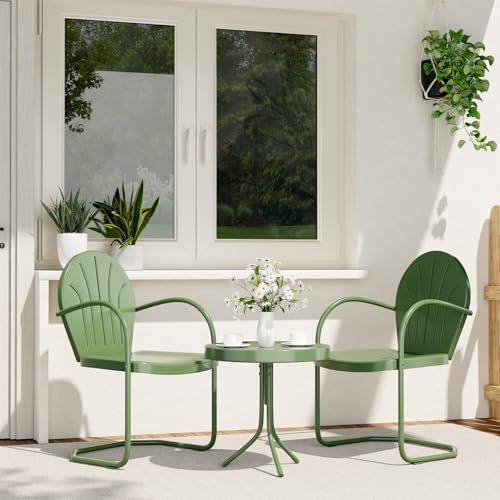
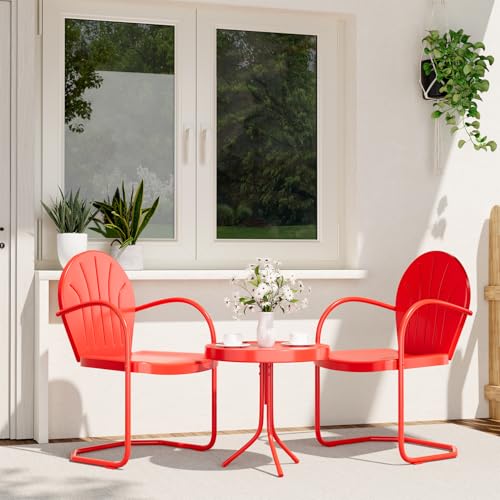
Vintage metal chairs work best when their character is balanced with simple, complementary pieces. Pair ornate wrought iron chairs with a plain table, or mix cast aluminum chairs with natural wood accents. Neutral cushions let the metal detailing stand out, while bold colors create a retro focal point.
For cohesive outdoor dining areas, consider pairing your chairs with a coordinated table. Explore options in vintage wrought iron glass top table and chairs and vintage wrought iron table with glass top. If your design leans mid-century, review vintage mid-century modern outdoor furniture.
To extend the seating area, combine vintage chairs with other retro seating such as vintage lounge chair or vintage chaise lounge.
Vintage Metal Chair Comparison by Tier
The table below uses quality tiers instead of numeric pricing. Use it to set expectations for construction and finish.
| Tier | Typical Materials | Best For | Maintenance Level |
|---|---|---|---|
| Entry-level | Light steel, basic powder coating | Balconies, occasional seating | Moderate; touch-ups advised |
| Mid-range | Cast aluminum or quality steel | Daily patio use | Low to moderate; seasonal inspection |
| Premium | Wrought iron, reinforced welds | Long-term outdoor arrangements | Moderate; repaint periodically |
| Luxury / top-tier | Heavy cast iron, ornamental detailing | Statement seating and heritage patios | Higher; careful finish maintenance |
Frequently Asked Questions
What are vintage metal outdoor chairs?
Vintage metal outdoor chairs are patio or garden seats produced in earlier decades, typically made from wrought iron, cast aluminum, or steel. They are valued for their ornamental detailing, solid build, and retro character that suits many outdoor settings.
How can I tell if a vintage metal chair is worth restoring?
Check the frame for structural integrity: look for cracked joints, deep pitting, or thin metal. Surface rust on solid frames is usually manageable, while perforation or loose welds may not be worth restoring. Original hardware and intact ornamentation add appeal.
Are vintage metal chairs weather-resistant?
Most vintage metal chairs are weather-resistant when properly maintained. Powder-coated or painted finishes protect the metal, but chipped coatings expose steel or iron to moisture. Regular touch-ups and seasonal covers extend their life outdoors.
What cushion options work best with vintage metal chairs?
Choose water-resistant outdoor cushions sized to the seat. Thin ties or strap systems keep cushions secure on slatted or open-frame seats. UV-protected fabrics help preserve color and reduce fading over seasons.