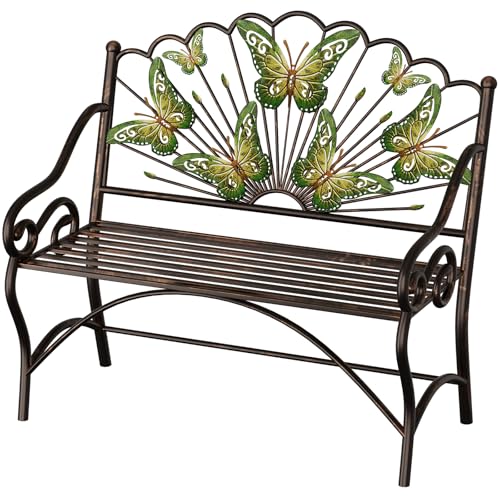
Vintage Wrought Iron Patio Furniture for Sale
Your complete guide to finding, evaluating, and restoring authentic wrought iron outdoor pieces. Learn how to spot quality craftsmanship, understand style eras, and bring timeless character to your patio.
START THE GUIDEWhy vintage wrought iron? Few outdoor materials combine durability, artistry, and character like hand-forged wrought iron. Unlike modern cast aluminum or resin imitations, genuine vintage pieces carry the marks of their maker — decorative scrollwork, hand-hammered joints, and a patina that only decades of outdoor life can produce. This guide walks you through the entire process of selecting pre-owned wrought iron patio furniture, from identifying authentic construction to planning a sympathetic restoration that preserves its heritage.
What You'll Learn in This Guide
Why Choose Vintage Wrought Iron Patio Furniture
Wrought iron has been a fixture of garden and patio design for centuries, and for good reason. The material itself is an iron alloy with a very low carbon content, which makes it malleable enough to be hammered and bent into elaborate shapes while remaining remarkably strong. This dual nature — soft enough to shape, strong enough to endure — is what gives vintage wrought iron its distinctive combination of beauty and longevity.
Modern outdoor furniture often prioritizes lightweight convenience and low maintenance. Vintage wrought iron takes a different approach. A well-made piece from the mid-twentieth century or earlier can outlast several generations of contemporary furniture, provided it receives basic care. The weight of the material also means it stays put in windy conditions, which is a practical advantage on exposed patios and decks.
There is also an aesthetic argument. The decorative scrollwork, floral motifs, and geometric lattice patterns found on vintage pieces are difficult to replicate economically today. Many contemporary manufacturers rely on cast aluminum or stamped steel that mimics the look of wrought iron without the handcrafted depth. When you explore vintage wrought iron patio furniture, you are choosing objects that carry visible evidence of human skill — slight asymmetries, hammer marks, and joints that tell a story about how they were made.
From a sustainability perspective, buying pre-owned wrought iron keeps durable materials in circulation. Iron is highly recyclable, and a piece that has already survived fifty years is likely to survive another fifty with proper attention. For homeowners who value longevity over disposable convenience, vintage wrought iron represents a worthwhile long-term investment.
How to Identify Authentic Vintage Wrought Iron
Not everything advertised as "wrought iron" is genuine. The term is often used loosely to describe any dark, ornate metal furniture, including cast aluminum and tubular steel. Knowing how to tell the difference will help you avoid overpaying for a modern imitation and ensure you bring home a piece with real heritage.
Look for Hand-Forged Details
Authentic wrought iron shows evidence of handwork. Examine the joints where the metal meets: traditional pieces often use rivets, collars, or wrapped connections rather than uniform machine welds. Scrollwork should have subtle variations in thickness and curvature. If every curve looks identical, the piece was likely cast or stamped in a factory rather than forged.
Check the Weight and Sound
Wrought iron is dense. A genuine piece will feel noticeably heavier than a comparable cast aluminum or steel item. Tap the metal gently — wrought iron produces a dull, solid tone, while thinner tubular steel may ring or sound hollow. Weight alone is not conclusive, but it is a useful first check.
Examine the Surface and Patina
Older wrought iron develops a patina — a surface layer of oxidized metal that ranges from dark brown to nearly black. This patina is difficult to fake convincingly. Look for consistent coloration in protected areas and more weathered spots on exposed surfaces. Repainted pieces are common, but even repainting cannot hide the underlying texture of hand-forged metal.
Look for Maker's Marks
Many quality vintage pieces carry a maker's stamp or tag on the underside of a table, the back of a chair, or the base of a planter. These marks can help you date the piece and confirm its origin. Even without a mark, the construction method is usually enough to distinguish genuine wrought iron from imitation.
Compare with Cast Iron
Cast iron is often confused with wrought iron, but the two are distinct. Cast iron is poured into molds, producing smoother, more uniform surfaces and thicker sections. It is very strong in compression but more brittle than wrought iron. If you are drawn to the heavier, more sculptural look of cast pieces, explore vintage cast iron garden furniture as a complementary category. Many patios combine both materials to good effect.
Popular Vintage Styles and Eras
Vintage wrought iron spans well over a century of design. Understanding the major stylistic periods will help you recognize what you are looking at and choose pieces that suit your outdoor space.
Victorian and Edwardian Garden Furniture
From the late nineteenth to the early twentieth century, wrought iron garden furniture was characterized by elaborate scrollwork, fern motifs, and intricate lattice backs. These pieces were often painted white or dark green and were a fixture of formal gardens. Surviving examples are relatively rare, and condition varies widely. If you are searching for this look, vintage white wrought iron patio furniture captures the elegant garden aesthetic many buyers associate with this era.
Art Nouveau and Early Modern
The early twentieth century brought flowing, organic lines to wrought iron design. Art Nouveau pieces favor sinuous curves and nature-inspired forms over the rigid symmetry of Victorian work. This period also saw the rise of simpler, more functional outdoor sets intended for middle-class homes rather than grand estates.
Mid-Century Wrought Iron
After the Second World War, wrought iron patio furniture became widely popular in suburban America. Designs became cleaner and more geometric, often with mesh or expanded metal seats and backs. These pieces are relatively common today and offer an accessible entry point for buyers new to vintage outdoor furniture. The clean lines of mid-century ironwork also pair well with contemporary outdoor spaces.
Hollywood Regency and Mediterranean Revival
In the mid-twentieth century, ornate wrought iron became associated with glamorous poolside settings and Mediterranean-style homes. Pieces from this era often feature bold scrollwork, painted finishes, and glass tops. If this aesthetic appeals to you, the vintage wrought iron glass top table and chairs format is a classic example of the style.
Assessing Condition Before You Buy
Vintage furniture always shows signs of age. The question is whether those signs are cosmetic or structural. A careful inspection will tell you whether a piece is ready to use, needs minor attention, or should be avoided altogether.
Check for Structural Integrity
Start by testing the frame for wobbles and looseness. Sit on chairs and lean gently on tables. Joints that move under light pressure will need repair. Look closely at welds and riveted connections for cracks or separation. Surface rust is common and usually manageable, but deep rust that has thinned the metal is a serious concern.
Inspect the Feet and Base
The feet of patio furniture take the most abuse. Check for heavy corrosion, missing glides, and uneven wear. A table that rocks on a flat surface may have a bent leg or worn foot — both repairable, but worth noting during negotiation.
Evaluate the Seating Surface
Mesh seats and backs are common on mid-century wrought iron chairs. Look for broken welds, sagging, or sharp edges where the mesh has worn through. Solid metal seats may show dents. Cushions, if present, are usually replaceable and should not factor heavily into your decision.
Assess the Finish
Original paint is often preferable to a hasty repaint, but it depends on condition. Flaking paint exposes metal to moisture and accelerates rust. A piece with stable, well-adhered paint — even if faded — is generally a better candidate than one with fresh paint applied over rust.
Consider Glass Tops Carefully
If the piece includes a glass top, inspect it for chips, cracks, and edge damage. Replacement glass is available, but it adds to the overall project. If you are considering a set with a damaged top, the tempered glass patio table top replacement guide can help you understand the options before committing.
| Tier | Typical Condition | Best For |
|---|---|---|
| Entry-level (project tier) | Surface rust, flaking paint, minor joint movement, worn feet | Buyers comfortable with restoration work who want character at a lower entry point |
| Mid-range (user tier) | Stable frame, intact finish, light patina, replaceable cushions | Homeowners who want to use the piece immediately with minimal preparation |
| Premium (collector tier) | Original finish, intact maker's marks, tight joints, minimal corrosion | Collectors and buyers seeking authentic period pieces for display or daily use |
| Luxury (museum-grade tier) | Documented provenance, exceptional craftsmanship, near-original condition | Serious collectors and heritage properties where authenticity is paramount |
Where to Find Vintage Wrought Iron for Sale
Vintage wrought iron surfaces through a range of channels, each with its own trade-offs between selection, convenience, and risk. Knowing where to look — and what to watch for in each venue — will improve your chances of finding a piece worth keeping.
Estate Sales and Auctions
Estate sales are among the richest sources of vintage outdoor furniture. Pieces that have been in a family for decades often come to market when a home changes hands. Inspect in person when possible, and arrive early for the best selection. Local auction houses and online estate platforms also list wrought iron sets, though shipping logistics can be complicated for heavy items.
Antique Shops and Architectural Salvage
Antique dealers and architectural salvage yards specialize in pieces with history. You will often find curated selections and, importantly, knowledgeable sellers who can tell you about a piece's provenance and construction. Expect to pay a premium for the curation and expertise, but the quality ceiling is higher than in general secondhand channels.
Online Marketplaces and Classifieds
Peer-to-peer marketplaces offer the widest selection and the most variability in quality. Photos can be misleading, so ask for close-ups of joints, feet, and any damage. Verify dimensions before committing, and confirm whether the seller can help with loading. For heavy wrought iron sets, local pickup is usually the practical option.
Specialty Vintage Dealers
Some dealers focus specifically on vintage outdoor furniture. These specialists often restore pieces before offering them, which means you are buying a ready-to-use item rather than a project. If you want the look of vintage wrought iron table and chairs for sale without the restoration work, a specialty dealer is often the most efficient route.
What About Reproductions?
Reproduction wrought iron furniture is widely available and can be a reasonable choice if authenticity is not your priority. Be aware that many "wrought iron" reproductions are actually cast aluminum or steel. If a seller cannot confirm the material, treat the piece as a reproduction and evaluate it on its own merits rather than as an antique.
Restoring and Caring for Vintage Wrought Iron
Most vintage wrought iron benefits from some level of attention, whether that means a thorough cleaning or a full refinishing. The right approach depends on the condition of the piece and how original you want it to remain.
Cleaning and Rust Removal
Start with a gentle wash using mild soap and water, then dry thoroughly. For surface rust, a wire brush or fine abrasive pad will remove loose corrosion. Heavier rust may require a chemical rust converter, which stabilizes the surface and prepares it for painting. Always work in a well-ventilated area and follow product instructions carefully.
Painting and Refinishing
If the original finish is beyond saving, a fresh coat of outdoor-rated metal paint will protect the piece and refresh its appearance. Choose a color that suits your outdoor palette — classic black, deep green, and warm white are all traditional choices. Apply thin coats and allow adequate drying time between them. For a more authentic look, consider a matte or satin finish rather than high gloss.
Protecting the Surface
Once restored, a protective topcoat or wax will slow future corrosion. Reapply seasonally, especially before winter. Store or cover pieces during extended periods of disuse, and check for moisture trapped under covers, which can accelerate rust.
When to Consult a Professional
Structural repairs — re-welding broken joints, straightening bent frames, replacing missing scrollwork — are best handled by a metalworker experienced with wrought iron. Attempting these repairs without the right equipment can cause further damage. For valuable or historically significant pieces, a professional restoration is almost always the right call.
Coordinating Vintage Wrought Iron with Your Outdoor Space
Wrought iron has a strong visual presence, so it works best when the surrounding furniture and decor support rather than compete with it. A few practical guidelines will help you integrate vintage pieces into a cohesive patio.
Mixing Materials
Wrought iron pairs naturally with wood, stone, and woven materials. A wrought iron table with a teak patio furniture bench alongside it can balance the metal's visual weight with warmer tones. Similarly, wrought iron chairs around a natural stone or concrete table create an appealing contrast between intricate metalwork and solid surfaces.
Scale and Proportion
Vintage wrought iron pieces are often slightly smaller or more delicate than modern outdoor furniture. Measure your space carefully and consider how the proportions will read. A large wrought iron dining set can anchor a patio, while a small bistro set suits a balcony or reading nook. If you are working with limited space, the small patio guide offers layout strategies that accommodate heavier pieces.
Cushions and Soft Furnishings
Wrought iron seating is rarely comfortable without cushions. Choose outdoor-rated cushions that fit the seat dimensions and suit the style of the piece. Neutral tones let the ironwork stand out, while patterned cushions can add a layer of personality. For weather resilience, water-resistant outdoor furniture cushions are a practical choice in most climates.
Lighting and Accessories
Wrought iron lanterns, planters, and candle holders are natural companions to wrought iron furniture. A vintage tea cart, for example, can serve as a stylish side table and display piece. If you are drawn to that idea, the vintage wrought iron tea cart for sale category is worth exploring. Outdoor lighting — whether string lights or lantern-style fixtures — will also complement the metal's character after dark.
Frequently Asked Questions
Is vintage wrought iron patio furniture worth the effort?
For many homeowners, yes. Genuine vintage wrought iron offers durability and craftsmanship that are difficult to find in new furniture. The trade-off is weight and maintenance: these pieces are heavy and require periodic care to prevent rust. If you appreciate character and are willing to invest some attention, vintage wrought iron is a rewarding choice.
How can I tell wrought iron from cast aluminum?
Weight is the first clue — wrought iron is significantly heavier. Next, examine the surface: wrought iron shows hand-forged texture and sometimes hammer marks, while cast aluminum tends to be smoother and more uniform. Tap the metal; wrought iron produces a dull, solid sound. Joint construction also differs, with rivets and wrapped connections more common in older wrought iron.
Can rusty vintage wrought iron be restored?
In most cases, yes. Surface rust is treatable with a wire brush and rust converter, followed by outdoor metal paint. Deep rust that has significantly thinned the metal is more serious and may require professional repair or replacement of affected sections. Always assess structural integrity before deciding on a restoration.
Should I repaint vintage wrought iron?
It depends on the condition of the existing finish and your goals. If the original paint is stable and you value authenticity, leave it. If the finish is flaking or rust is spreading, repainting is the practical choice and will extend the piece's life. Choose an outdoor-rated metal paint and apply thin coats for best results.
What styles of vintage wrought iron are most common?
Mid-century wrought iron patio sets are the most widely available today, followed by Victorian-style pieces with elaborate scrollwork. Art Nouveau and Hollywood Regency examples are less common but sought after by collectors. The style you choose should reflect your outdoor aesthetic and the era of your home's architecture.
How do I protect wrought iron furniture in winter?
Clean and dry the piece thoroughly, apply a protective coat of wax or metal sealant, and cover it with a breathable outdoor cover. Avoid plastic covers that trap moisture. If possible, store smaller pieces in a garage or shed during the coldest months. Check periodically for rust and address any spots before they spread.
Are there matching wrought iron pieces beyond tables and chairs?
Yes. Vintage wrought iron collections often included chaise lounges, plant stands, tea carts, and side tables. Pieces like the vintage wrought iron chaise lounge for sale format are popular for poolside and sunbathing areas. Coordinating multiple pieces from the same era or maker creates a cohesive, curated look.
Ready to Find Your Vintage Wrought Iron Piece?
Browse our curated recommendations for vintage-inspired and wrought iron patio furniture. Each selection is chosen for craftsmanship, durability, and character — so you can build an outdoor space that lasts.
VIEW RECOMMENDATIONS