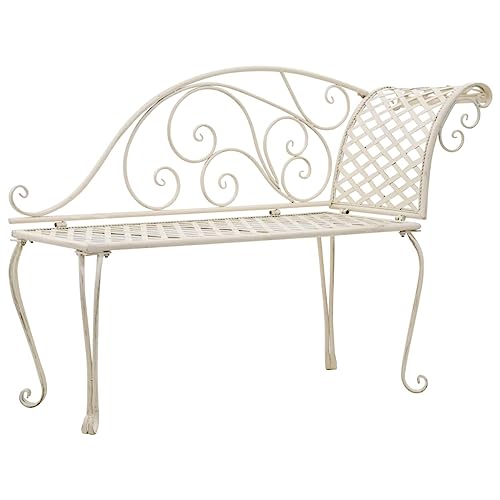
Vintage Wrought Iron Chaise Lounge for Sale: The Complete Buyer's Guide
Everything you need to evaluate, restore, and choose a vintage wrought iron chaise lounge with confidence — from frame integrity and finish quality to style matching and long-term care.
Why a vintage wrought iron chaise lounge? Few outdoor pieces combine history, craftsmanship, and everyday comfort like a wrought iron chaise. Whether you are furnishing a cottage garden, a shaded veranda, or a sun-drenched poolside retreat, a well-chosen vintage chaise brings character that modern mass-produced furniture rarely matches.
This guide walks you through the key decisions — frame construction, restoration potential, comfort layers, and style integration — so you can evaluate listings with a trained eye and invest in a piece that serves you for years.
What Makes a Vintage Wrought Iron Chaise Lounge Special
Wrought iron furniture dates back centuries, prized for its ability to be shaped into elegant scrollwork while retaining remarkable strength. Vintage pieces — typically from the mid-twentieth century — often feature hand-forged joints, decorative castings, and patina that cannot be replicated by modern manufacturing.
Compared with contemporary chaise lounges, vintage wrought iron models tend to be heavier, more sculptural, and more repairable. A skilled metalworker can re-weld a broken joint or replace a missing scroll, extending the life of the piece indefinitely. Many buyers also appreciate the environmental advantage of reusing well-built furniture rather than purchasing new.
If you are exploring complementary antique styles, our guide to vintage wrought iron patio furniture for sale covers coordinating tables, chairs, and accents that pair naturally with a chaise lounge.
Key Characteristics to Look For
- Hand-forged details: Visible hammer marks, tapered scrolls, and hand-bent curves signal traditional craftsmanship.
- Solid weight: Quality wrought iron feels substantial — a lightweight frame often indicates thinner metal or a different alloy.
- Cast embellishments: Decorative rosettes, finials, and leaf motifs are common on higher-end vintage pieces.
- Reclining mechanism: Many vintage chaises feature adjustable backrests with notched bars or ratchet systems.
- Wheels or glides: Original casters make repositioning easier and are a desirable authentic detail.
What to Evaluate Before You Buy
Buying a vintage chaise lounge is part inspection, part imagination. The frame condition determines how much restoration work lies ahead, while the design determines how well it will fit your outdoor space. Use the checklist below to evaluate any listing or in-person viewing.
1. Frame Integrity
- Inspect all welded joints for cracks, separation, or amateur repairs.
- Check the legs and base for bending or deformation that could affect stability.
- Confirm the reclining mechanism (if present) locks securely and moves smoothly.
- Test wheels and glides to ensure they roll or slide without obstruction.
2. Rust and Finish Condition
- Look for surface rust versus deep pitting — surface rust is manageable, deep pitting weakens the metal.
- Ask whether the piece has been repainted and what product was used.
- Check hidden areas underneath the seat and behind the backrest for rust progression.
- Note whether the finish is original patina or a modern powder coat.
3. Comfort and Cushioning
- Assess the seat length and backrest angle — some vintage chaises run shorter than modern loungers.
- Check whether the frame has a flat suspension or requires a cushion for support.
- Plan to source outdoor-grade cushions if the original upholstery is missing or worn.
For more context on antique outdoor pieces, our overview of vintage wrought iron patio furniture explains how chaise lounges fit into broader patio collections.
Market Tiers: Understanding What You Are Getting
Vintage wrought iron chaise lounges occupy different positions in the resale market based on age, craftsmanship, and condition. Rather than focusing on figures, use the tier framework below to align expectations with what each category typically offers.
| Tier | Best For | Typical Characteristics |
|---|---|---|
| Entry-level | First-time vintage buyers; casual patio use | Simpler scrollwork, surface rust present, cushions likely need replacing, frame structurally sound |
| Mid-range | Collectors seeking authentic detailing; restoration-ready projects | Solid hand-forged joints, some cast ornamentation, original finish with patina, functional reclining mechanism |
| Premium | Design-focused buyers; heritage gardens and verandas | Elaborate scrollwork, complete cast embellishments, well-maintained finish, smooth reclining, original wheels intact |
| Luxury / collector-grade | Serious antique collectors; statement outdoor spaces | Rare patterns, provenance or maker marks, museum-quality restoration, exceptional craftsmanship throughout |
Each tier represents a relative position in the market, not an absolute measure. A mid-range piece in excellent condition can outperform a premium piece that has been poorly restored. Focus on craftsmanship and structural integrity rather than category labels alone.
Restoring a Vintage Wrought Iron Chaise Lounge
Restoration is part of the appeal for many buyers. A carefully restored chaise preserves its vintage character while gaining decades of renewed service life. The process ranges from a simple clean-and-recoat to a full mechanical overhaul.
Light Restoration (Cosmetic Refresh)
- Clean the frame with a mild degreaser and a soft brush.
- Remove surface rust with fine-grit sandpaper or a wire brush.
- Apply a rust-inhibiting primer followed by an exterior-grade topcoat.
- Replace or add cushions in a water-resistant outdoor fabric.
Full Restoration (Structural and Mechanical)
- Disassemble the chaise to reach all joints and hidden surfaces.
- Have a metalworker re-weld any cracked or separated joints.
- Sandblast or chemically strip the old finish before recoating.
- Choose powder coating for a durable, uniform finish or exterior enamel for a traditional look.
- Replace missing casters, glides, or hardware with period-appropriate parts where possible.
- Lubricate the reclining mechanism with a weather-safe lubricant.
If your restoration project extends to other pieces, our guide to vintage cast iron garden furniture covers techniques and considerations for cast iron components that often appear alongside wrought iron frames.
Matching the Chaise to Your Outdoor Style
A vintage wrought iron chaise lounge is versatile but not universally neutral. Its visual weight and detailing should harmonize with the surrounding furniture, architecture, and planting scheme.
Romantic and Cottage Gardens
Ornate scrollwork and white or cream finishes suit rose gardens, perennial borders, and cottage-style landscapes. Pair the chaise with matching wrought iron side tables and a bird bath or fountain for a cohesive tableau.
Modern and Minimalist Patios
Clean-lined vintage frames — with fewer scrolls and simpler geometry — work well in contemporary settings. A dark charcoal or matte black finish integrates naturally with minimalist palettes.
Coastal and Nautical Spaces
White or weathered finishes evoke a seaside feel. Neutral or striped cushions in weather-resistant fabric complete the look. If your setting is coastal, our guide to vintage white wrought iron patio furniture explores finishes and care considerations specific to white iron pieces.
Rustic and Farmhouse Settings
Aged patina and dark iron tones complement wood decking, stone patios, and natural landscaping. Pair with teak wood benches or teak outdoor side tables to layer natural materials alongside the ironwork.
Long-Term Care and Maintenance
Wrought iron is durable but not indestructible. Routine care protects both the finish and the structural integrity of your chaise lounge.
- Clean the frame at the start and end of each outdoor season.
- Touch up scratches promptly to prevent rust from spreading.
- Apply a protective wax or oil to the finish annually in humid climates.
- Store cushions indoors or in a waterproof cushion storage container when not in use.
- Inspect joints and fasteners annually for loosening or corrosion.
For a broader perspective on protecting outdoor furniture, see our resources on UV protection and waterproof cushions for outdoor furniture.
Why Use This Guide Before You Buy
Vintage wrought iron chaise lounges are often sold through private sellers, antique dealers, and curated marketplaces. Listings vary widely in description quality and photographic detail, making it difficult to assess condition remotely. This guide gives you the vocabulary and framework to ask the right questions, identify red flags, and compare options fairly.
By the time you finish reading, you will know how to evaluate frame integrity, judge restoration potential, match the chaise to your outdoor design, and plan long-term care. That preparation helps you avoid costly surprises and choose a piece that genuinely fits your space.
Ready to Explore Vintage Wrought Iron Chaise Lounges?
Browse curated vintage and antique options, compare styles, and find the piece that completes your outdoor retreat.
View Available OptionsFrequently Asked Questions
What should I check before buying a vintage wrought iron chaise lounge?
Inspect the frame for structural integrity, rust, and weld quality. Confirm that the reclining mechanism, if present, operates smoothly and that wheels or glides are functional. Check for missing cast details and ask about previous repairs or repainting.
How do I restore a vintage wrought iron chaise lounge?
Remove loose rust with a wire brush or sanding, apply a rust-inhibiting primer, and finish with an exterior-grade paint or powder coating. Replace worn cushions with water-resistant outdoor fabric and lubricate moving parts with a weather-safe lubricant.
Is a vintage wrought iron chaise lounge suitable for all climates?
Wrought iron is durable but can rust in humid or coastal environments. A properly applied rust-proof finish and routine maintenance make it suitable for most climates, though coastal buyers should inspect and reapply protective coatings more frequently.
How do I match a vintage wrought iron chaise lounge to my patio style?
Choose a chaise with detailing that complements your existing furniture. Ornate scrollwork suits romantic and cottage gardens, while clean-lined frames fit modern and minimalist patios. Neutral cushions keep vintage frames versatile across color schemes.
Continue Exploring
Expand your research with related guides on vintage and antique outdoor furniture:
- Vintage wrought iron chaise lounge with wheels
- Vintage chaise lounge overview
- Vintage lounge chair styles
- Vintage aluminum chaise lounge with wheels
- Vintage mid-century modern outdoor furniture
- Vintage wrought iron table and chairs for sale
- Vintage wrought iron glass top table and chairs
- Vintage cast iron patio furniture for sale
- Vintage metal lawn chairs
- Top outdoor furniture brands