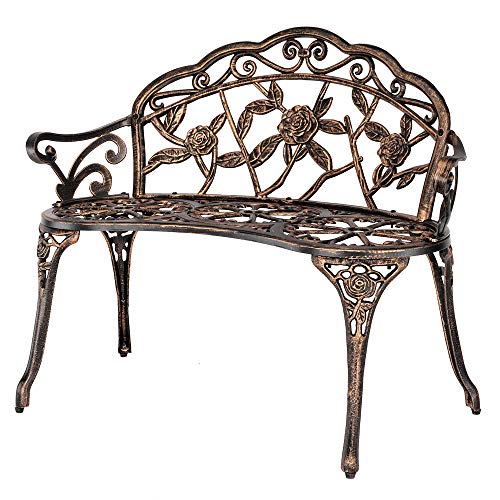
Vintage Cast Iron Patio Furniture for Sale: A Complete Buyer’s Guide
Cast iron patio furniture is prized for its weight, stability, and old-world character. If you are considering a vintage set, this guide explains how to identify quality pieces, evaluate condition, plan restoration, and buy with confidence.
Jump to Buying ChecklistWhy cast iron still matters: Unlike many modern outdoor pieces that rely on lightweight frames, vintage cast iron furniture holds its ground in wind, resists flexing under use, and develops a patina that many homeowners find more attractive than a brand-new finish. The challenge is knowing which pieces are worth restoring and which should be left behind.
Understanding Vintage Cast Iron Patio Furniture
Cast iron is produced by pouring molten iron into molds, which allows manufacturers to create ornate details such as scrollwork, floral motifs, and geometric patterns. This is why vintage cast iron garden benches and patio sets often look more decorative than today’s welded aluminum or tubular steel designs. The material is dense and heavy, so pieces tend to stay exactly where you place them.
Buyers often confuse cast iron with cast aluminum or wrought iron. Cast aluminum is lighter and more resistant to rust, but it lacks the same heft and can dent or bend under stress. Wrought iron is worked by hand and tends to be thinner and more flexible. True cast iron is heavy, rigid, and typically has visible mold seams on the underside or along the back of decorative elements.
| Material | Weight & Feel | Durability Profile | Best For |
|---|---|---|---|
| Cast Iron | Very heavy, cold to the touch, rigid | Extremely durable; can rust if finish is compromised | Stationary seating, benches, ornamental tables |
| Cast Aluminum | Lighter, warmer, easier to move | Rust-resistant but can bend or dent | Portable patio sets, balconies |
| Wrought Iron | Moderate weight, hand-worked look | Strong but thinner sections can flex | Decorative chairs, garden gates |
Why Buy Vintage Cast Iron Instead of New?
A vintage cast iron set offers advantages that are difficult to replicate with modern materials. The most obvious is character: hand-finished castings, period details, and a naturally aged surface give outdoor spaces a sense of history. From a practical standpoint, cast iron is also remarkably stable, which makes it a good choice for windy patios and exposed decks.
- Long-term investment: A well-maintained cast iron piece can serve for decades, often outlasting several modern furniture sets.
- Repairable construction: Cracks and worn joints can often be repaired by a metalworker, unlike molded plastic or thin aluminum.
- Timeless design: Ornate castings and classic silhouettes fit traditional, cottage, and even modern outdoor schemes when styled thoughtfully.
- Stable in weather: The weight of cast iron keeps tables and benches from shifting in strong wind.
Quality Tiers in the Vintage Cast Iron Market
Vintage cast iron pieces are not all equal. The following tiers help you frame your search and set realistic expectations for construction quality, originality, and restoration needs.
Entry-Level Tier
Often later reproductions or mass-produced pieces with simpler detailing. Suitable for buyers who want the cast iron look and are comfortable with minor restoration work.
Mid-Tier
Period-influenced pieces with solid castings, complete components, and moderate wear. A balanced choice for everyday outdoor use.
High-End Tier
Original antique pieces with intricate casting, matching components, and provenance. These are best treated as long-term investments and often benefit from professional restoration.
Flagship / Collector Tier
Rare patterns, documented makers, or complete matching sets in excellent original condition. These appeal to collectors and buyers furnishing heritage properties.
What to Inspect Before You Buy
Buying vintage cast iron is a condition-first decision. Cosmetic wear is normal and often fixable, but structural problems can turn a bargain into a project. Use this checklist during inspections, whether you are viewing in person or reviewing photos from a seller.
Pre-Purchase Inspection Checklist
- Weight and density: Confirm the piece is genuinely cast iron, not a lighter substitute.
- Cracks: Look closely at joints, legs, and decorative arms for hairline or full-thickness cracks.
- Rust penetration: Surface rust is normal; deep pitting that weakens the metal is a red flag.
- Joints and fasteners: Check that bolts, rivets, and welded repairs are tight and aligned.
- Stability: Place the piece on a flat surface and test for wobble or uneven legs.
- Moving parts: Swivels, folding mechanisms, and glides should move without excessive force.
- Completeness: Confirm that cushions, glass tops, and hardware are included when applicable.
- Repairs: Ask whether the piece has been welded, repainted, or modified, and inspect the quality of the work.
- Maker’s marks: Look for casting numbers or foundry marks that can help identify origin and age.
Restoring Vintage Cast Iron Patio Furniture
Many buyers look specifically for pieces that need light restoration because the process is straightforward and the results are rewarding. The goal is to stabilize the metal, protect it from further corrosion, and preserve the character of the original casting.
Clean and Strip
Remove loose paint and surface rust with a wire brush or chemical stripper. Work outdoors and wear protective gear.
Treat Rust
Apply a rust converter to any remaining oxidized areas. This stabilizes the surface and prepares it for primer.
Prime and Paint
Use a metal-specific primer followed by an exterior-grade paint. Multiple thin coats hold up better than one thick layer.
Protect and Reassemble
Replace worn glides, tighten joints, and add protective pads to prevent scratches and future corrosion.
If the piece has significant historical value or intricate detailing, consider consulting a professional restorer. Overcleaning or aggressive sanding can reduce both the character and the long-term worth of an original casting.
Where to Find Vintage Cast Iron Patio Furniture for Sale
The market for vintage cast iron is diverse, and each source has its own trade-offs. Local sources let you inspect in person, while online listings offer a wider selection but require more careful photo review.
- Antique dealers: Curated inventory, often restored, with knowledgeable sellers who can answer detailed questions.
- Estate sales: Good for finding complete sets and original finishes, but competition can be high.
- Architectural salvage yards: Excellent for benches, garden structures, and unusual cast pieces.
- Online marketplaces: Broad selection, but insist on close-up photos of joints, undersides, and repaired areas.
- Specialty vintage furniture sellers: Focused inventory with clearer descriptions and return policies.
If you are furnishing a full outdoor space, it helps to compare cast iron with other period-appropriate materials. For example, vintage wrought iron patio furniture for sale offers a lighter alternative with similar decorative appeal, while vintage cast iron garden bench for sale listings are a good starting point if seating is your priority. Buyers restoring a full set may also want to review vintage cast iron garden furniture for context on how patio and garden pieces differ in scale.
Styling Vintage Cast Iron in a Modern Outdoor Space
Cast iron can feel heavy if it is the only material in the space. Balance it with natural textures, lighter accessories, and careful spacing. A cast iron bench paired with a teak outdoor coffee table creates a pleasing contrast between dark metal and warm wood. For dining areas, a teak outdoor dining set can sit alongside cast iron seating without competing for attention.
If your patio is small, consider a teak outdoor side table to break up the visual weight of cast iron. Cushions in neutral tones soften the hard edges, and a water-resistant outdoor furniture cushion adds comfort without undermining the vintage look. For larger spaces, a teak outdoor daybed can anchor a lounging zone, with cast iron pieces used as accent seating.
Common Mistakes Buyers Make
Most disappointments with vintage cast iron come from skipping the inspection stage or underestimating restoration time. Watch for these common pitfalls:
- Buying on appearance alone: Fresh paint can hide cracks, deep rust, and poor repairs.
- Ignoring weight: Cast iron is difficult to move, so plan placement before delivery.
- Over-restoring: Aggressive stripping can erase the patina that gives the piece its character.
- Mismatched sets: Confirm that chairs, tables, and cushions are from the same set when buying a group.
- Skipping measurements: Cast iron furniture is often larger than it appears in photos, so verify dimensions against your space.
Caring for Cast Iron After Purchase
Cast iron is durable, but it is not maintenance-free. Inspect the finish once or twice a year, touch up any chips before rust develops, and keep joints lubricated if the piece has moving parts. During extended wet seasons, covering the furniture with a breathable cover helps prevent standing water from collecting in decorative recesses.
For cushions and soft furnishings, a waterproof outdoor cushion storage container keeps textiles dry between uses. If you are refreshing a seating group, waterproof chair cushions for outdoor furniture are a practical upgrade that pairs well with cast iron frames.
Frequently Asked Questions
Is vintage cast iron patio furniture worth buying?
Yes, for many buyers. Cast iron is extremely durable, holds its shape over decades, and carries a timeless aesthetic that modern reproductions rarely match. When the piece is structurally sound and reasonably free of deep corrosion, it can serve as a long-term investment for your outdoor space.
How can I tell real cast iron from cast aluminum or reproductions?
Cast iron is significantly heavier than aluminum and feels cold to the touch. Look for casting seams, mold marks, and a uniform dark surface under the paint. Reproductions often use thinner metal, smoother finishes, and modern hardware that does not match the period style.
What should I inspect before buying vintage cast iron patio furniture?
Check for cracks, deep pitting, rust penetration, loose joints, and missing or bent components. Test the stability of chairs and tables, inspect weld repairs, and confirm that all moving parts such as swivels or folding mechanisms still work smoothly.
How do I restore vintage cast iron patio furniture?
Restoration typically involves cleaning away loose rust, applying a rust converter, priming with a metal-specific primer, and finishing with an exterior-grade paint. Replace worn glides, tighten joints, and add protective pads to prevent future damage.
Where can I find vintage cast iron patio furniture for sale?
Common sources include antique dealers, estate sales, architectural salvage yards, online marketplaces, and specialty vintage furniture sellers. Always request detailed photos of joints, undersides, and any repaired areas before committing.
Ready to Explore Vintage Cast Iron Options?
Browse our recommended selections below, compare styles, and check availability from trusted sellers.
View Recommended Pieces