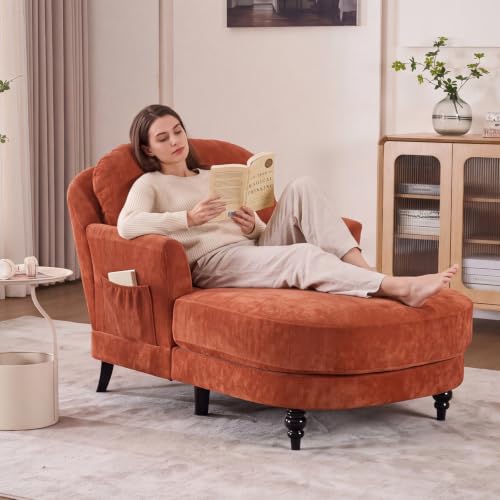
Vintage Lounge Chair: The Complete Buying Guide
Everything you need to know about choosing, evaluating, and caring for a vintage lounge chair — from mid-century silhouettes to wrought iron classics that bring timeless character to any patio.
Why a vintage lounge chair? A vintage lounge chair is more than seating — it is a piece of design history that instantly elevates an outdoor space with character no modern reproduction can replicate. Whether you are drawn to the graceful curves of a vintage chaise lounge or the sturdy charm of vintage metal lawn chairs, this guide walks you through the styles, materials, condition checks, and care routines that separate a worthwhile find from a costly mistake.
What Makes a Lounge Chair "Vintage"?
A vintage lounge chair typically dates from the mid-20th century through the 1970s, though some collectors extend the definition to pre-1980 pieces with documented design provenance. The term covers a broad family of outdoor and indoor-outdoor loungers: aluminum chaise lounges with wheels, wrought iron recliners, wooden steamer-style loungers, and tubular steel frames with woven or mesh seats.
What unites these pieces is not a single material but a design language — clean lines, honest construction, and details like rolled arms, tapered legs, and hand-finished joints that modern mass production rarely reproduces. Buyers researching a vintage lounge chair are usually weighing authenticity against practicality: original patina is desirable, but structural integrity and weather resistance matter just as much for outdoor use.
Popular Vintage Lounge Chair Styles
Mid-Century Modern
Clean geometric frames, tapered wooden legs, and minimal ornamentation. Often paired with vintage mid-century modern outdoor furniture to create a cohesive retro patio layout.
Wrought Iron & Cast Iron
Ornate scrollwork and heavy frames built to last generations. Explore vintage wrought iron chaise lounge options and vintage cast iron garden furniture for a classic garden aesthetic.
Aluminum Chaise Lounges
Lightweight, rust-resistant, and easy to reposition. A vintage aluminum chaise lounge with wheels is one of the most practical choices for poolside and patio use.
Wooden Steamer & Slat Loungers
Teak, redwood, and oak frames with adjustable backrests. These pair naturally with other teak outdoor furniture pieces and age gracefully with proper sealing.
Velvet & Upholstered Loungers
Indoor-style pieces with plush upholstery, often used on covered porches. See velvet lounger and upholstered chaise lounge options for sheltered spaces.
Metal Lawn Chairs
Spring-steel and pressed-metal chairs with distinctive curved seats. A staple of American porches, covered in our vintage lawn chairs guide.
Materials: What to Look For
Material choice determines how a vintage lounge chair survives outdoor exposure. Each material has distinct strengths and maintenance requirements:
- Aluminum: Naturally rust-resistant and lightweight. Check for pitting and loose rivets; vintage aluminum frames often outlast their cushions by decades.
- Wrought iron: Heavy-duty and structurally forgiving, but prone to rust at joints and welds. Inspect closely and plan for periodic repainting.
- Cast iron: The most durable option, with a substantial feel. Look for hairline cracks and verify that decorative elements are intact.
- Teak and hardwood: Naturally weather-resistant woods develop a silver patina outdoors. Confirm that joints are tight and that no rot has developed at feet or arms.
- Tubular steel: Common in mid-century designs. Chrome plating can flake; check for dents and internal rust near drainage holes.
If you plan to keep the chair outdoors year-round, prioritize frames with intact coatings and pair them with water-resistant outdoor furniture cushions to protect upholstery.
Market Tiers for Vintage Lounge Chairs
Vintage lounge chairs fall into distinct market tiers based on provenance, material quality, and condition. Use this classification to set expectations — it is consistent across the category and does not depend on any specific figure.
| Tier | Typical Characteristics | Best For |
|---|---|---|
| Entry-level | Mass-produced mid-century frames, minor surface wear, original or replaced cushions | First-time vintage buyers and casual patio use |
| Mid-range | Solid frames with documented maker marks, good structural condition, some patina | Collectors seeking authenticity without restoration work |
| Premium | Rare designs, intact original finishes, premium materials such as solid teak or cast iron | Design-focused buyers and curated outdoor spaces |
| Luxury / Collector | Museum-grade provenance, attributed designers, fully restored or preserved originals | Serious collectors and statement patio centerpieces |
Buying Checklist: How to Evaluate a Vintage Lounge Chair
Before committing to any vintage piece, run through these checks. They apply whether you are shopping in person or evaluating photos from an online listing.
- Frame integrity: Rock the chair gently. Any wobble suggests loose joints, bent tubing, or hidden cracks.
- Rust and corrosion: Check weld points, feet, and folding mechanisms. Surface rust is manageable; deep structural rust is not.
- Reclining mechanism: If the chair adjusts, test every position. Stiff or slipping mechanisms are common repair points on vintage pieces.
- Cushions and straps: Original upholstery rarely survives decades outdoors. Budget for replacement and factor this into your decision.
- Maker marks: Stamps, labels, and foundry marks confirm provenance and can indicate a higher tier.
- Weight and balance: A well-built vintage chair feels stable and appropriately heavy for its material.
For a broader comparison of comfortable seating options, see our guide to the most comfortable outdoor lounge chair.
Restoration and Ongoing Care
Vintage lounge chairs reward careful maintenance. A few routine habits keep them functional and attractive for years:
- Clean gently: Use mild soap and water; avoid abrasive pads on painted or plated surfaces.
- Treat rust early: Sand small spots and apply a rust-inhibiting primer before repainting.
- Protect wood: Apply a suitable sealant annually if you want to preserve a warm tone; leave untreated for a natural silver patina.
- Store seasonally: Move delicate pieces indoors or under cover during harsh winters, and use waterproof outdoor cushion storage containers for upholstery.
- Use covers: A fitted cover protects frames and cushions between uses without trapping moisture if it is breathable.
For a complete care routine across all outdoor pieces, consult our weatherproofing guide and UV protection tips.
Styling a Vintage Lounge Chair on Your Patio
A single vintage lounge chair can anchor an entire outdoor vignette. Pair it with a teak outdoor side table for a reading nook, or group two chairs with a teak outdoor coffee table for a conversation area. Wrought iron pieces look especially at home alongside vintage wrought iron patio furniture, while aluminum chaise lounges sit naturally beside a pool or on an open deck.
If you are building a full retro layout, consider complementing the chair with a vintage wrought iron glass top table and chairs set or a vintage white wrought iron patio furniture collection. For smaller spaces, a vintage wrought iron tea cart adds functional charm without occupying much room.
Ready to Find Your Vintage Lounge Chair?
Explore curated options and compare features before you decide.
View Recommended PicksFrequently Asked Questions
Can a vintage lounge chair be used outdoors year-round?
It depends on the material. Aluminum, cast iron, and treated hardwood handle outdoor exposure well with routine care. Upholstered or velvet pieces should be kept under cover. Always check for existing rust or rot before placing a vintage chair in an exposed spot.
How do I tell a genuine vintage piece from a reproduction?
Look for maker marks, weld quality, fastener types, and finish wear patterns. Reproductions often use uniform modern hardware and pristine coatings. Genuine vintage chairs typically show consistent patina and construction details appropriate to their era.
Is it worth restoring a vintage lounge chair?
For mid-range and premium pieces, restoration is usually a worthwhile investment that preserves both function and character. Entry-level pieces may be better used as-is or repainted simply. Evaluate frame integrity first — cosmetic work is straightforward, structural repair is not.
What cushions work best with a vintage lounge chair?
Choose cushions sized to the original frame and made from water-resistant outdoor fabric. A waterproof chair cushion protects the seat without altering the chair's silhouette, and removable covers make seasonal cleaning easier.
Where can I find matching vintage pieces?
Estate sales, antique markets, and specialty dealers are common sources. If you find one piece you love, search for complementary items in the same material family — for example, pairing a wrought iron lounger with a vintage wrought iron table and chairs set creates visual continuity.