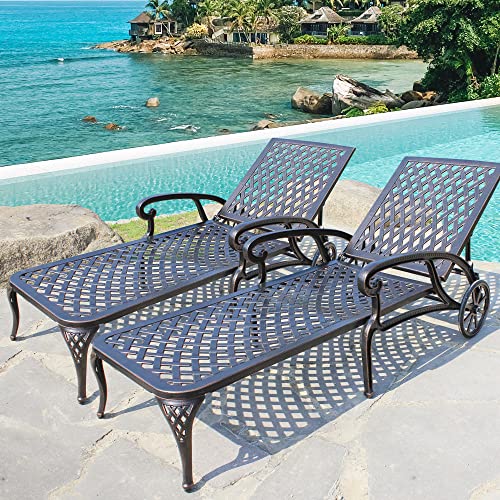
Vintage Aluminum Chaise Lounge with Wheels: The Complete Buyer's Guide
Explore frame construction, wheel systems, upholstery options, and practical care tips so you can choose a retro poolside lounger with confidence.
A vintage aluminum chaise lounge with wheels blends mid-century charm with everyday practicality. The lightweight metal frame resists rust far better than older steel designs, while the wheels let you chase the shade across a pool deck or patio without lifting. This guide walks through the details that separate a well-built piece from a flimsy lookalike, so you can evaluate listings, compare materials, and buy with a clear plan.
Why Vintage Aluminum Frames Still Make Sense
Aluminum became the material of choice for outdoor loungers in the mid-twentieth century for good reason. It is naturally corrosion-resistant, considerably lighter than cast iron or tubular steel, and easy to shape into the curved profiles that define retro chaise styling. A well-preserved vintage aluminum frame can outlast many modern resin pieces, especially when the original powder coating or anodized finish is intact.
The metal also tolerates coastal air better than most alternatives. Salt spray attacks steel quickly, but aluminum forms a protective oxide layer that slows deterioration. That said, not all aluminum is equal. Look for thick-gauge tubing and welded joints rather than riveted connections, which loosen over decades of use. If you are restoring a frame or pairing a vintage lounger with other retro pieces, our guide to vintage mid-century modern outdoor furniture covers complementary styles and finishes.
Key frame characteristics to inspect
- Wall thickness: Heavier tubing resists denting and flexing under adult weight.
- Joint type: Welded seams age better than rivets or bolts that can strip.
- Finish: Original powder coat or anodized surfaces protect against pitting.
- Back mechanism: Adjustable ratchet or friction hinges should lock firmly at multiple recline angles.
Wheel Systems: Small Detail, Big Difference
The wheels on a chaise lounge are often overlooked during research, yet they determine how usable the piece feels day to day. Vintage models typically use two rear wheels with a front handle or frame loop for tilting and rolling. The quality of those wheels matters more than their size.
Wheel types you will encounter
- Solid rubber wheels: Quiet on hard surfaces and resistant to flat spots; common on well-made vintage pieces.
- Hard plastic wheels: Lighter and easier to source as replacements, but louder and prone to cracking in cold weather.
- Metal casters: Durable but heavy, and they can scratch delicate decking without protective caps.
Check that the axle mounts are firmly attached to the frame and that the wheels spin freely without wobble. Replacement wheels are widely available, so a stiff or cracked original wheel is rarely a dealbreaker. If you plan to move the lounger across gravel or uneven lawn, larger-diameter wheels roll noticeably better. For a broader look at similar wheeled designs, compare the vintage wrought iron chaise lounge with wheels, which trades some portability for heavier visual presence.
Upholstery and Cushion Choices for a Retro Lounger
Vintage aluminum chaise lounges originally shipped with vinyl straps, woven webbing, or simple foam pads. Today you can restore the original look or upgrade to modern performance fabrics. Either path works, but the choice affects comfort, maintenance, and how closely the piece matches its era.
Popular upholstery approaches
- Vinyl straps: Authentic retro appearance, easy to wipe clean, but can become brittle with prolonged sun exposure.
- Woven webbing: Breathable and lightweight; inspect for fraying and replace individual straps rather than the whole set.
- Performance fabric cushions: The most comfortable option and available in UV-resistant, water-repellent finishes.
If you choose cushions, confirm they are rated for outdoor use. Our overview of water-resistant outdoor furniture cushions explains the difference between water-resistant and fully waterproof covers, which matters if the lounger stays poolside year-round. Patterned fabrics in turquoise, coral, or geometric prints reinforce the vintage aesthetic without looking dated.
Comparing Quality Tiers Without the Guesswork
Vintage aluminum chaise lounges reach the market in wildly different conditions. Rather than sorting by numbers, use the tier descriptors below to frame your expectations. The same tiers apply whether you are buying a restored original or a newly manufactured retro-style piece.
| Tier | Typical Characteristics | Best For |
|---|---|---|
| Starter tier | Thinner tubing, riveted joints, basic plastic wheels, simple strap seating | Occasional use, renters, decorative accent pieces |
| Mid-tier | Welded aluminum frame, solid rubber wheels, adjustable backrest, replaceable straps | Regular poolside use, families, everyday lounging |
| High-end tier | Thick-gauge tubing, precision hinges, sealed bearings, premium performance cushions | Frequent use, coastal homes, long-term outdoor placement |
| Luxury / professional-grade | Restored collectible frames, custom upholstery, commercial-rated hardware | Design-focused spaces, hospitality settings, collectors |
The jump from starter tier to mid-tier is where most buyers notice the biggest practical improvement. Mid-range models typically offer smoother recline mechanisms and sturdier wheel mounts than entry-level pieces, while the high-end tier focuses on longevity and finish quality. If your lounger will sit on an exposed deck through every season, the higher tiers are the more efficient long-term investment.
A Practical Checklist Before You Buy
- Confirm the frame is aluminum, not painted steel or pot metal.
- Test the recline mechanism through its full range and check that it locks.
- Spin each wheel and inspect the axle mounts for cracks or looseness.
- Look for pitting, bubbling paint, or white powdery corrosion on the frame.
- Ask whether the upholstery is original, replaced, or missing entirely.
- Measure the footprint against your deck or pool apron before committing.
For buyers weighing similar retro silhouettes, the vintage chaise lounge overview covers wooden and metal variants side by side, while vintage lounge chair focuses on upright seating rather than full-length recliners. If portability is your priority, a travel lounger may suit light, occasional use better than a full-size vintage frame.
Care and Maintenance for a Vintage Aluminum Lounger
Aluminum does not rust in the way steel does, but it still needs attention. Road salt, chlorine, and fertilizer residue can dull the finish and accelerate pitting over time. A simple routine keeps the frame looking sharp and extends the life of the wheels and upholstery.
Seasonal care routine
- Rinse the frame with fresh water after pool or beach exposure.
- Wipe down with a mild soap solution; avoid abrasive pads that scratch anodized finishes.
- Lubricate wheel axles lightly at the start of each season.
- Remove and store cushions during off-season or heavy rain.
- Inspect strap seams and frame joints for wear before storing.
If you notice corrosion, treat it early with a gentle aluminum cleaner and a soft brush. For broader weatherproofing strategies that apply to all outdoor pieces, see our weatherproofing guide. Storing the lounger under a cover or in a shed during winter is worthwhile if you live in a region with heavy snow or salt air.
Styling a Vintage Aluminum Chaise Lounge
These loungers work best when treated as a focal point rather than one of many matching pieces. A single chaise paired with a small side table, a striped umbrella, and a potted palm reads as intentional. Mixing aluminum with warm woods softens the metal's cool tone; our teak outdoor side table guide shows compatible proportions.
For pool decks, position the lounger so the wheels face the water and the backrest angles toward the house — this makes it easy to roll toward shade as the sun moves. Add a folded throw in a bold vintage color to break up large upholstered surfaces. If you want to anchor the arrangement with a larger piece, a teak outdoor daybed or umbrella can define the zone without competing with the retro frame.
Frequently Asked Questions
Are vintage aluminum chaise lounges sturdy enough for daily use?
Yes, provided the frame is thick-gauge aluminum with welded joints. Mid-tier and high-end tier vintage pieces handle daily poolside use well. Inspect the recline mechanism and wheel mounts for looseness before relying on the lounger every day.
Can I replace the wheels on an old aluminum chaise?
In most cases, yes. Many vintage frames use standard axle diameters, and replacement wheels in solid rubber or hard plastic are readily available. Measure the axle diameter and the wheel's outer diameter before ordering a set.
What upholstery works best for a retro poolside look?
Vinyl straps and woven webbing are the most authentic choices. For comfort and weather resistance, performance fabric cushions in period-appropriate colors — turquoise, coral, mustard, or geometric prints — deliver a vintage feel with modern durability.
How do I stop an aluminum frame from corroding?
Rinse with fresh water after salt or chlorine exposure, dry the frame, and avoid abrasive cleaners. Touch up any chipped powder coating promptly to prevent moisture from reaching bare metal. Regular light maintenance is more effective than occasional heavy cleaning.
Is a vintage aluminum chaise lounge suitable for coastal climates?
Aluminum is one of the better metal choices for coastal air because it forms a protective oxide layer. Choose a high-end tier piece with a sound finish, rinse it regularly, and store it under cover during storm season for the best longevity.
Final Thoughts
A vintage aluminum chaise lounge with wheels rewards buyers who look past the surface. The frame gauge, joint quality, wheel condition, and upholstery options tell you far more about long-term satisfaction than the label or era alone. Use the tier framework in this guide to calibrate expectations, inspect the details that matter, and choose a lounger that fits both your space and your maintenance routine. With a little care, a well-chosen vintage piece delivers decades of poolside character.