Upholstered Chaise Lounge: The Complete Outdoor Buying Guide
Everything you need to know before choosing a padded, fabric-covered chaise lounge for your patio — materials, comfort factors, styles, and smart selection tips.
Start the GuideWhy an upholstered chaise lounge? Unlike traditional slatted or bare-frame loungers, an upholstered chaise lounge wraps you in padded comfort from shoulder to calf. It transforms a patio from a place you sit into a place you genuinely unwind. This guide walks you through every decision point so you can choose with confidence.
What Exactly Is an Upholstered Chaise Lounge?
An upholstered chaise lounge is a long, single-seat reclining outdoor chair where the frame is fully covered with padded fabric or leather upholstery. Instead of exposed slats or metal bars, the entire seating surface — backrest, seat, and often the armrests — is cushioned and wrapped in a tailored textile. The result is a piece that feels closer to indoor furniture while still being engineered for outdoor life.
These loungers typically feature an adjustable backrest with multiple recline positions, a contoured seat long enough to support your legs, and a sturdy frame underneath the upholstery. Many models also include wheels for easy repositioning, making them practical for poolside decks and sun-facing patios alike.
If you are still exploring the broader category, our guide to the most comfortable outdoor lounge chair puts upholstered chaise lounges in context alongside other lounge styles. For a vintage-inspired take on the same silhouette, see the vintage chaise lounge overview.
Key Buying Factors to Evaluate Before You Choose
Because an upholstered chaise lounge is a long-term outdoor investment, the decisions you make about materials, frame construction, and cushion quality will determine how it performs season after season. Below are the factors that matter most.
1. Upholstery Fabric and Weather Resistance
The fabric is the defining feature of this furniture type — and the first thing to evaluate. Look for solution-dyed acrylic or olefin fabrics, which hold color against UV exposure and resist mildew. A tight weave with a water-repellent finish will bead moisture rather than absorb it. If you want to dig deeper into textile performance, our article on UV-protected fabric for outdoor furniture explains what to look for on care labels and spec sheets.
Fabric weight also matters: heavier, denser textiles tend to resist pilling and sagging better than lightweight weaves. Removable, zippered cushion covers are a practical bonus because they can be washed or replaced without discarding the entire piece.
2. Frame Construction Underneath the Padding
You cannot see the frame, but it carries the entire load. Powder-coated aluminum is the most common choice for outdoor upholstered loungers because it resists rust and stays relatively light. High-grade steel offers extra rigidity for larger models but requires a rust-proof finish. Weather-treated hardwood frames deliver a warm look but need periodic sealing.
Check the weight capacity and look for reinforced joints at the recline mechanism — that hinge point takes constant stress. A solid build here is what separates a lounger that lasts a decade from one that loosens within two seasons.
3. Cushion Foam and Comfort Layers
Outdoor foam should be open-cell and quick-drying so it does not trap water. High-resilience (HR) foam retains its shape longer than standard polyurethane. Premium and luxury tier models sometimes layer a softer top foam over a firmer support core, which gives that "sink-in but supported" feel without bottoming out.
4. Recline Mechanism and Ergonomics
A chaise lounge lives or dies by its recline adjustment. Look for a multi-position backrest with a smooth, lockable mechanism. Entry-level models often use a simple notch-and-bar system, while mid-range and high-end tier designs use gas struts or friction hinges that adjust more gradually. Consider the seat length too: taller users should look for models with a longer seat pan so the leg support actually reaches the calves.
5. Portability and Placement
Wheels on the rear legs make it easy to chase the shade across a deck. If your patio is small or multi-purpose, consider a lighter frame and a slimmer profile. For compact spaces, our small patio design guide shows how a single well-placed lounger can anchor an entire seating zone.
Market Tiers at a Glance
Upholstered chaise lounges fall into recognizable market tiers. The table below summarizes what each tier typically delivers so you can match the product to your expectations — without relying on any specific figure.
| Tier | Typical Fabric | Frame | Recline System | Best For |
|---|---|---|---|---|
| Entry-level | Polyester blend, basic water repellency | Lightweight aluminum, simple welds | Notch-and-bar, 3–4 positions | Occasional use, covered porches |
| Mid-range | Solution-dyed acrylic, removable covers | Powder-coated aluminum, reinforced joints | Friction hinge, 5+ positions | Regular seasonal use, sunny patios |
| Premium | Heavyweight acrylic or performance olefin | High-grade steel or thick-gauge aluminum | Gas strut or multi-lock hinge | Full outdoor exposure, daily use |
| Luxury | Designer performance textiles, dual-density foam | Commercial-grade frame, marine hardware | Precision adjustable, tool-free recline | Resort-style patios, year-round lounging |
Popular Styles and Design Directions
Upholstered chaise lounges come in several design languages. Your choice should align with the overall look of your outdoor space — and there is no wrong answer as long as the materials suit your climate.
Modern Minimalist
Slim frames, neutral upholstery in charcoal, sand, or off-white, and clean lines with hidden stitching. Pairs well with concrete or porcelain tile patios.
Coastal Nautical
Light linen-toned fabrics, white or natural frames, and a relaxed silhouette. Ideal for poolside decks and ocean-adjacent homes.
Rustic Farmhouse
Textured weaves, earth-toned upholstery, and wood-accented frames. Complements timber decks and natural stone surrounds.
Vintage & Retro
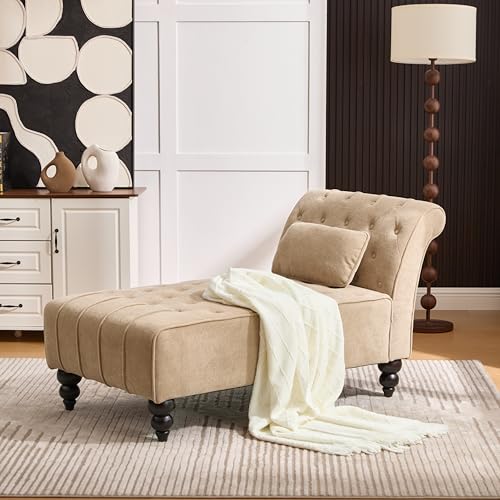
Curved backrests, tufted detailing, and mid-century proportions. For inspiration, explore the vintage chaise lounge collection.
If your taste leans toward plush, indoor-inspired textures, a velvet chaise lounge brings a similar silhouette with a more tactile finish — though velvet is best reserved for covered or indoor use. For a coordinated patio layout, our patio styles guide covers full color palettes and material pairings.
Placement and Setup Tips for Lasting Comfort
Where and how you place your upholstered chaise lounge affects both comfort and longevity. A few practical guidelines:
- Position for shade rotation. Place the lounger so you can roll it toward or away from direct sun as the day progresses. A patio umbrella overhead extends usable hours significantly.
- Elevate on a rug or deck. An outdoor rug under the lounger protects the upholstery from ground moisture and adds a finished look.
- Keep airflow around the frame. Leave a few inches between the lounger and walls or hedges so moisture can evaporate after rain.
- Pair with a side table. A teak outdoor side table or an umbrella side table keeps drinks and reading material within arm's reach without cluttering the seat.
- Use covers during off-season. Even weather-resistant upholstery benefits from a cover during extended wet or freezing periods. See our winter storage guide for a full checklist.
Pro tip: Before committing to a full upholstered set, test the recline range in person if possible. A lounger that reclines almost flat suits sunbathing, while one that stops at a gentle angle works better for reading and conversation. The best model for your patio is the one whose recline positions match how you actually relax.
Caring for Your Upholstered Chaise Lounge
Routine care keeps the upholstery looking tailored and extends the life of the frame. Follow these habits:
- Brush off loose debris weekly with a soft-bristled brush.
- Clean stains promptly with mild soap and lukewarm water; rinse thoroughly to prevent residue buildup.
- Allow cushion covers to air dry completely before re-zipping — never machine-dry performance fabrics on high heat.
- Check the recline hinge and wheel hardware each season for tightness or corrosion.
- Store or cover the lounger during prolonged wet or freezing weather.
For a deeper maintenance routine across all your outdoor pieces, our weatherproofing guide covers fabric treatments, frame protection, and seasonal inspection schedules.
Frequently Asked Questions
What is an upholstered chaise lounge?
An upholstered chaise lounge is a long, reclining outdoor seat fully covered in fabric or leather upholstery over a padded frame, offering superior comfort compared to slatted or bare-frame loungers.
What materials are best for outdoor upholstered chaise lounges?
Look for solution-dyed acrylic or olefin fabrics with UV and water resistance. Frames should be powder-coated aluminum, high-grade steel, or weather-treated hardwood for lasting durability.
Can upholstered chaise lounges stay outside year-round?
Many premium and high-end tier models are designed for full outdoor exposure, but using a protective cover during off-season months will significantly extend the life of the upholstery and frame.
How do I clean an upholstered chaise lounge?
Most outdoor upholstery can be cleaned with mild soap and water. Rinse thoroughly and allow to air dry. For deeper stains, use a fabric-specific cleaner and always check the manufacturer's care instructions.