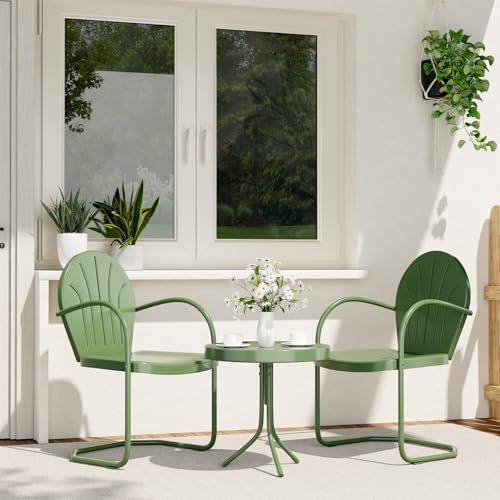
Vintage Metal Lawn Chairs: The Complete Buyer's Guide
Everything you need to know about selecting, restoring, and styling classic metal lawn chairs — from frame construction and finish quality to care routines and design pairings.
Why vintage metal lawn chairs remain a favorite: They combine enduring construction with a nostalgic silhouette that suits porches, patios, and garden nooks. This guide walks you through what makes a quality vintage frame, how to evaluate condition before buying, and how to care for your chairs so they stay comfortable and structurally sound for years.
What Defines a Vintage Metal Lawn Chair?
Vintage metal lawn chairs are outdoor seating pieces produced roughly from the mid-20th century onward, typically featuring a tubular steel or stamped aluminum frame with a curved seat and back. They differ from modern patio chairs in their construction philosophy: heavier gauge metal, visible welds, and often a baked-enamel or powder-coated finish that was built to withstand the elements without the benefit of contemporary composite materials.
Common hallmarks include:
- Tubular or stamped frames — rounded steel tubing or pressed aluminum shells that form the seat and backrest.
- Baked-enamel or powder-coated finishes — original colors like mint green, butter yellow, and cherry red are highly collectible.
- Riveted or welded joints — quality pieces show clean welds or tight rivets rather than loose or cracked connections.
- Replaceable components — glides, webbing, and fasteners that can be swapped out to extend the chair's life.
If you are exploring the broader category of retro seating, our guide to vintage lawn chairs covers additional styles, while vintage metal outdoor chairs dives deeper into frame variants. For those who appreciate aluminum construction specifically, the vintage aluminum chaise lounge with wheels is a worthwhile reference point on how metal ages outdoors.
Frame Materials and Construction Quality
The frame is the single most important factor in whether a vintage metal lawn chair will serve you well. Two materials dominate the category: steel and aluminum.
Steel Frames
Steel offers excellent rigidity and a reassuring weight that keeps chairs from tipping in wind. However, untreated steel is vulnerable to rust, especially at welds and scratches. Look for chairs with intact paint or powder coating and inspect the interior of tubular sections where moisture can collect. Heavy-duty steel frames with reinforced welds are the most durable option in the vintage category.
Aluminum Frames
Aluminum is lighter, naturally rust-resistant, and easier to move around the patio. It is a strong choice for porches and balconies where portability matters. Vintage aluminum chairs often feature stamped shells rather than tubular frames, giving them a distinctive mid-century profile. For a closer look at how aluminum performs in outdoor settings, see our notes on vintage mid-century modern outdoor furniture.
Joints, Welds, and Fasteners
Examine every joint. Clean, continuous welds indicate careful manufacturing. Riveted connections should be tight, with no elongation of the holes. Avoid chairs with cracks radiating from welds or fasteners, as these are difficult to repair safely and can compromise structural integrity under load.
Finishes, Coatings, and Weather Resistance
Original finishes on vintage metal lawn chairs ranged from single-stage enamels to more durable powder coatings introduced later in the production era. When evaluating a chair, consider both the visual appeal of the finish and its protective function.
- Baked enamel: Classic look with a glossy sheen, but prone to chipping. Chips expose bare metal and invite rust.
- Powder coating: More durable and chip-resistant; often found on later vintage pieces and refurbished chairs.
- Rust-proof finishes: Aftermarket coatings can dramatically extend the life of a vintage frame. A properly applied rust-proof finish is one of the best investments you can make.
If you plan to restore a chair yourself, our weatherproofing guide covers surface preparation and protective coatings in detail. For fabric components like seat pads and cushions, refer to our guide on UV-protected fabric for outdoor furniture to ensure replacements hold up to sun exposure.
Condition Checklist Before You Buy
Buying vintage means buying condition as much as design. Use this checklist to evaluate a chair in person or to ask the right questions from an online seller.
Frame Integrity
Check for bends, dents, and crushed tubing. A straight frame is essential for comfort and safety.
Weld and Rivet Quality
Look for cracks, rust bleeding from joints, and loose rivets. These indicate stress and potential failure points.
Rust Penetration
Surface rust is manageable; deep pitting or rust-through is a deal-breaker. Probe suspicious spots with a screwdriver.
Finish Condition
Original paint with minor chips is acceptable. Extensive peeling or repainting with poor adhesion suggests hidden issues.
Replaceable Parts
Confirm that glides, webbing, and fasteners are available for the model. Generic hardware often fits, but verify before committing.
Stability Test
Place the chair on a flat surface and apply weight to each corner. Any rocking or flex indicates frame damage or worn glides.
Understanding Quality Tiers in the Vintage Market
Vintage metal lawn chairs vary widely in construction quality and collector appeal. Rather than focusing on numbers, use these universal quality descriptors to position a chair within the market and set realistic expectations for durability and restoration potential.
| Tier | Typical Characteristics | Best For |
|---|---|---|
| Entry-Level | Lighter gauge metal, simpler welds, often repainted. Functional but may need reinforcement. | Decorative use, covered porches, occasional seating |
| Mid-Range | Solid steel or aluminum frames, intact original finish, replaceable components available. | Everyday patio use with moderate care |
| Premium | Heavy-duty construction, clean welds, desirable original colors, strong collector interest. | Year-round outdoor use, design-focused patios |
| Collector / Top-Tier | Rare models, pristine original finishes, documented provenance, exceptional craftsmanship. | Display, curated vintage collections, restoration projects |
Restoration and Long-Term Care
Restoring a vintage metal lawn chair is a rewarding project that can add decades of service life. The process follows a logical sequence: stabilize, protect, and finish.
Step 1: Clean and Assess
Wash the chair with a mild detergent and water, then dry thoroughly. Inspect every joint and crevice for rust. Remove loose paint and rust with a wire brush or sandpaper, working down to bare metal where necessary.
Step 2: Treat Rust
Apply a rust converter to any remaining rust. This chemical treatment neutralizes rust and creates a paintable surface. Allow it to cure fully before proceeding.
Step 3: Prime and Paint
Apply a rust-proof primer followed by a durable outdoor-rated topcoat. Two thin coats outperform one thick coat for adhesion and longevity. Choose a color that complements your patio palette; our patio styles section offers inspiration on color pairing.
Step 4: Replace Worn Components
Install new glides to protect both the chair and your patio surface. Replace worn webbing or seat pads with water-resistant outdoor furniture cushions for comfort and durability. Check all fasteners and tighten or replace as needed.
Ongoing Maintenance
Clean your chairs seasonally, touch up chips promptly, and store them under cover during harsh weather. A fitted cover or a sheltered spot dramatically reduces wear. For broader maintenance routines, our outdoor care hub covers furniture cleaners, storage solutions, and seasonal upkeep.
Styling Vintage Metal Lawn Chairs on a Modern Patio
Vintage metal lawn chairs work surprisingly well alongside contemporary outdoor pieces. The key is intentional contrast: pair the nostalgic silhouette with clean-lined tables and neutral cushions, or lean fully into the retro look with complementary vintage accessories.
Pairing with Tables
A small round bistro table or a teak outdoor side table balances the visual weight of a pair of metal chairs. For dining setups, a teak outdoor dining table provides warmth that contrasts nicely with cooler metal tones.
Layering Textiles
Add comfort and color with outdoor-rated cushions and throws. A seat pad in a complementary tone softens the metal frame and extends the usable season. Our guide to waterproof cushions for outdoor furniture explains what to look for in weather-ready textiles.
Shade and Ambiance
Vintage chairs pair beautifully with a classic patio umbrella. Consider an umbrella table for a cohesive retro dining setup, or add outdoor lighting to complete the evening atmosphere. For a fuller patio makeover, browse our patio essentials checklist to make sure you cover every functional need.
Frequently Asked Questions
Are vintage metal lawn chairs durable enough for everyday outdoor use?
Yes, provided the frame is structurally sound. Chairs with solid steel or aluminum frames, intact welds, and a protective finish can serve daily use for many years. Inspect for rust, cracks, and loose joints before placing a chair into regular service, and reapply a weather-resistant coating periodically.
How do I restore a rusty vintage metal lawn chair?
Remove loose rust with a wire brush or sandpaper, treat remaining rust with a rust converter, then apply a rust-proof primer and a durable outdoor-rated topcoat. Replace worn glides, fasteners, and webbing to complete the restoration. Our rust removal tips cover the process step by step.
What should I check before buying vintage metal lawn chairs?
Focus on frame integrity, weld quality, rust penetration, joint tightness, and finish condition. Confirm that replacement parts are available for the model, and test stability on a flat surface. Our condition checklist above covers each point in detail.
Can vintage metal lawn chairs be left outside in winter?
It is best to store them under cover or indoors during freezing weather. Moisture trapped in tubular frames can freeze and expand, and prolonged exposure accelerates finish degradation. If outdoor storage is unavoidable, use a breathable cover and elevate the chairs off wet ground.
Ready to Bring Vintage Character to Your Patio?
Explore our curated selection of vintage-inspired outdoor seating and patio essentials to complete your space.
Explore Vintage Seating Options