
Umbrella Table Buying Guide: Shade, Comfort, and Durability Combined
Everything you need to know before choosing a patio table with an umbrella hole — frame materials, tabletop types, base stability, sizing rules, and how to match the right umbrella to your table.
Explore the GuideWhy an umbrella table earns its place: An umbrella table is one of the most practical pieces of outdoor furniture you can own. It pairs a dining or gathering surface with built-in shade, so lunch on the patio stays comfortable even at midday. But not all umbrella tables are created equal — the frame, tabletop, hole size, and base design all affect stability, longevity, and how pleasant the table is to use season after season.
What Is an Umbrella Table?
An umbrella table is a patio dining or multipurpose table with a pre-drilled hole in the center that accepts the pole of a shade umbrella. The umbrella passes through the tabletop and is anchored in a weighted base beneath or beside the table. This design keeps the umbrella centered over the seating area, providing balanced shade without the need for a freestanding offset canopy.
Umbrella tables come in round, square, rectangular, and oval shapes, in sizes that seat anywhere from two to eight people. Some models are designed specifically for compact spaces, such as a small outdoor patio table with umbrella hole, while others are full-size dining tables for large families. Many also coordinate with matching seating, so you can build a complete set around a single shade source.
Key Factors to Evaluate Before You Choose
1. Frame Material and Construction
The frame determines how the table handles weather, weight, and movement. Powder-coated aluminum is a popular mid-range choice because it resists rust and stays relatively light. Wrought iron and steel offer a heavy, traditional feel and exceptional stability in wind, though they require more attention to finish care. Teak and other hardwoods bring natural warmth and weather resistance but benefit from periodic sealing. Resin and high-density polyethylene frames are the most maintenance-friendly and are a solid choice for coastal or humid climates.
Look for reinforced joints, welded or bolted cross-bracing, and adjustable feet or leveling glides. A table that wobbles on a slightly uneven patio will only get worse over time, and a wobbly umbrella table is an unstable umbrella table.
2. Tabletop Material
The tabletop is where function meets feel. Common options include:
- Powder-coated aluminum or steel: Lightweight, easy to wipe clean, and available in many finishes. Good all-around durability for the mid-range tier.
- Slate, stone, or porcelain tile: Heavy and stable, with a premium, furniture-like appearance. Best for permanent setups where the table will not be moved often.
- Teak or acacia wood slats: Warm, classic, and naturally weather-resistant when properly maintained. Slatted designs drain rainwater well.
- Glass: Reflects light and feels open, but requires tempered safety glass and careful handling. A wrought iron dining table with glass top is a classic pairing that balances elegance with structural support.
- Resin or high-density polyethylene: The easiest to maintain and highly weather-resistant, ideal for busy households.
3. Umbrella Hole Size and Compatibility
Most umbrella tables use a 1.5-inch to 2-inch center hole, which fits standard center-pole umbrellas. Before pairing a table with an umbrella, confirm both measurements: the diameter of the hole and the diameter of the umbrella pole. A pole that is too loose in the hole will wobble; a pole that is too tight will not fit at all. If you already own an umbrella, measure its pole; if you are buying both together, check the product specifications for both items.
Some tables include a reducer ring or grommet to accommodate slightly narrower poles, which adds flexibility. If your table lacks a hole but you still want overhead shade, a freestanding offset umbrella or a solar outdoor umbrella can provide coverage without modifying the table.
4. Table Shape and Seating Capacity
Shape affects both traffic flow and how evenly shade falls across the table. Round tables encourage conversation and work well in compact spaces. Rectangular tables suit long patios and larger groups. Square tables are a good compromise for four-person setups. As a practical sizing rule, allow roughly 24 inches of table edge per seated person, and leave at least 36 inches of clearance around the table so chairs can pull out comfortably.
Two- to Four-Person Tables
Round or square tops in the 36- to 48-inch range. Ideal for balconies, small patios, and breakfast nooks. Pair with a smaller canopy umbrella to avoid overwhelming the space.
Four- to Six-Person Tables
The most common size class. Round tables around 48 to 60 inches or rectangular tables around 60 to 72 inches. A versatile fit for most family patios.
Six- to Eight-Person Tables
Rectangular and oval tables designed for entertaining. These setups benefit from a larger canopy and a heavier base to keep shade centered over a longer surface.
5. Umbrella Base and Stability
A table hole alone does not secure an umbrella. Wind can tip an unweighted umbrella and, in severe cases, take the table with it. Choose a base rated for your umbrella's canopy size and height. For tables that share space with loungers or movable seating, a umbrella base with wheels makes it easy to follow the shade as the sun moves. If you prefer a freestanding setup, a standing umbrella base can anchor an offset canopy without relying on the table at all.
Consider the surface beneath the table too. Bases sit more securely on solid, level surfaces such as concrete, stone, or composite decking. On soft ground or gravel, a wider base plate distributes weight more effectively.
Umbrella Table Types at a Glance
| Type | Best For | Strengths | Considerations |
|---|---|---|---|
| Round umbrella table | Small patios, conversation seating | Even shade distribution, space-efficient | Limited seating on larger models |
| Rectangular umbrella table | Family dining, entertaining | Seats more people, fits long patios | Needs a larger canopy for full coverage |
| Bar-height umbrella table | Casual cocktails, standing gatherings | Pairs well with bar stools, elevated sightlines | Requires a taller umbrella and an umbrella extension pole for bar-height table |
| Folding or portable umbrella table | Camping, rental patios, seasonal use | Easy to store and move | Lighter construction; less wind resistance |
| Wicker or rattan umbrella table | Coastal and bohemian patios | Warm texture, weather-resistant resin weaves | Check frame underneath the weave |
How to Match the Umbrella to the Table
A table and umbrella work best as a matched pair. Three measurements matter most:
- Canopy size relative to table size: The canopy should extend slightly beyond the table edge to shade the seating area. An undersized canopy leaves shoulders and plates in the sun; an oversized canopy can feel top-heavy without a proper base.
- Pole height and clearance: Standard umbrellas sit at a comfortable height above a dining table, but bar-height tables need taller poles. The umbrella extension pole for bar-height table solves this without replacing the canopy.
- Base weight class: Match the base to the canopy area and expected wind exposure. A premium-tier base with a wider footprint adds stability for larger canopies.
If you want extra convenience, an umbrella side table can hold drinks and small items within reach without cluttering the main dining surface. For a cohesive look, browse umbrella bases and umbrella stands to see the range of styles available.
Setup, Care, and Long-Term Performance
A few habits keep an umbrella table looking and performing well for years:
- Close the umbrella in high wind. Even sturdy tables can be stressed by an open canopy in gusty conditions. Retract or remove the umbrella when storms are forecast.
- Clean the tabletop with mild soap and water. Avoid abrasive pads on coated metal and glass surfaces. Rinse and dry after cleaning to prevent mineral spotting.
- Inspect the base periodically. Check that the base remains filled or weighted as designed, and that the pole collar is snug.
- Store cushions and fabric items separately. Keep them dry and out of direct sun when not in use to extend their lifespan.
- Apply a protectant to wood surfaces. Teak and acacia benefit from periodic sealing or oiling, especially in rainy or snowy climates.
If you are building out a complete patio set, coordinating your umbrella table with a wicker patio set or a white outdoor dining table with umbrella hole can create a unified look. And if you are outfitting a smaller space, a small outdoor patio set with fire pit can complement an umbrella table as a second gathering zone.
Common Mistakes to Avoid
- Skipping the base. A table hole is not a substitute for a weighted base.
- Choosing a canopy that is too small. Shade should cover the seating area, not just the tabletop center.
- Ignoring wind exposure. Open patios and elevated decks need heavier bases and sturdier frames.
- Mismatching pole and hole diameters. Measure both before pairing.
- Forgetting seasonal storage. Umbrella canopies and cushions last longer when stored dry during the off-season.
Frequently Asked Questions
What size umbrella table do I need for my patio?
Allow roughly 24 inches of table width per seated person. A 48-inch round table comfortably seats four; a 60-inch round table seats six. For rectangular tables, plan about 24 inches of length per person. Always measure your space and leave at least 36 inches of clearance around the table for chairs to pull out.
Do all patio umbrellas fit any umbrella table?
Most umbrella tables feature a standard 1.5- to 2-inch umbrella hole, which fits the majority of center-pole umbrellas. Pole diameters vary, so confirm both the hole diameter and the pole diameter before pairing. Tables without a built-in hole can still work with a freestanding offset umbrella.
Is a table umbrella base really necessary?
Yes. Even when an umbrella passes through a table hole, the table itself is not a substitute for a stable base. A properly weighted base prevents tipping in gusty conditions and protects both the umbrella and the table. Choose a base rated for your umbrella's canopy size and height.
What is the best material for an umbrella table top?
It depends on your climate and maintenance preferences. Powder-coated aluminum is lightweight and rust-resistant. Teak and other hardwoods offer natural weather resistance but need periodic care. Slate and stone tops are heavy and stable in wind. Resin and high-density polyethylene are the easiest to maintain.
Can I use an umbrella table without the umbrella?
Absolutely. An umbrella table functions as a standard patio dining table when the umbrella is removed. Some owners keep a plug or cap to cover the hole when the umbrella is stored, which keeps the surface flat and prevents water from pooling through the opening.
Ready to Compare Umbrella Tables?
Explore recommended umbrella tables and shade accessories selected for durability, stability, and everyday usability.
View RecommendationsQuick Buying Checklist
- Measure your patio and confirm the table size that fits with clearance for chairs.
- Choose a frame material suited to your climate and maintenance habits.
- Select a tabletop material that matches your intended use and style.
- Verify the umbrella hole diameter and your umbrella pole diameter.
- Pair the table with a properly weighted umbrella base.
- Plan for seasonal storage of the canopy, cushions, and accessories.
Recommended Umbrella Tables & Shade Essentials
⚠️ AFFILIATE DISCLOSURE: This website contains affiliate links. As an Amazon Associate, we earn from qualifying purchases. If you make a purchase through these links, we may receive a small commission at no additional cost to you. Read our full affiliate policy.

CHENG RONG 2-in-1 Umbrella Side Table – 16.54" Outdoor Patio Table with Fillable 15 Gal Water/Sand Base, Fits 1.5" Pole, UV Resistant for Pool, Deck, Garden (Black)
Check price on Amazon
NicBex 2PCS 14.8" Umbrella Table Tray with 1.5" Hole, Black | Adjustable Knob, All Weather Material
Check price on Amazon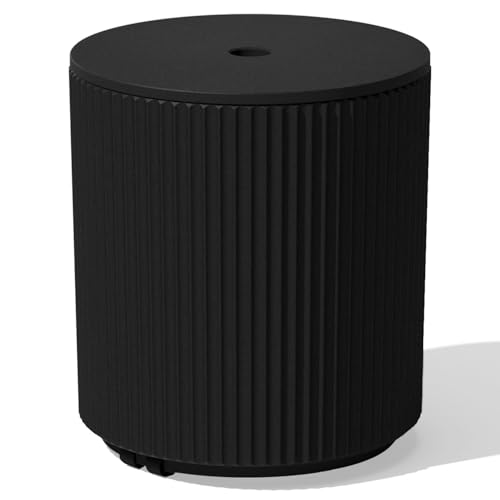
Veradek Umbrella Side Table - Outdoor Patio Table with Umbrella Hole | Durable Plastic-Stone Composite, Easy Assembly. Perfect for Porch, Poolside, or Patio Use as a Coffee or Picnic Table
Check price on Amazon
CHENG RONG 2-in-1 Umbrella Side Table – 16.54" Outdoor Patio Table with Fillable 15 Gal Water/Sand Base, Fits 1.5" Pole, UV Resistant for Pool, Deck, Garden (White)
Check price on Amazon
Veradek Umbrella Side Table - Outdoor Patio Table with Umbrella Hole | Durable Plastic-Stone Composite, Easy Assembly. Perfect for Porch, Poolside, or Patio Use as a Coffee or Picnic Table
Check price on Amazon
JEAREY 9FT Outdoor Patio Umbrella, Market Umbrella, Beige | Outdoor Table Umbrellas with 8 Sturdy, Tilt & Crank UV Protection Waterproof for Garden, Deck, Backyard, Pool
Check price on Amazon
Blissun 9' Outdoor Patio Umbrella, Outdoor Table Umbrella, Yard Umbrella, Market Umbrella with 8 Sturdy Ribs, Push Button Tilt and Crank (Tan)
Check price on AmazonDisclaimer
The information provided on PatioFocus is for educational and informational purposes only. We are not professional landscapers or contractors, and our content should not replace professional advice. Always consult with a qualified expert regarding structural, safety, or weather-related concerns. Some content may use AI assistance. Always check product warranties and safety standards before purchasing. If you do not agree, please do not use this website. Read the full disclaimer.