Wrought Iron Dining Table with Glass Top: The Complete Buying Guide
Everything you need to know about choosing, caring for, and styling a wrought iron glass top dining table for your outdoor space.
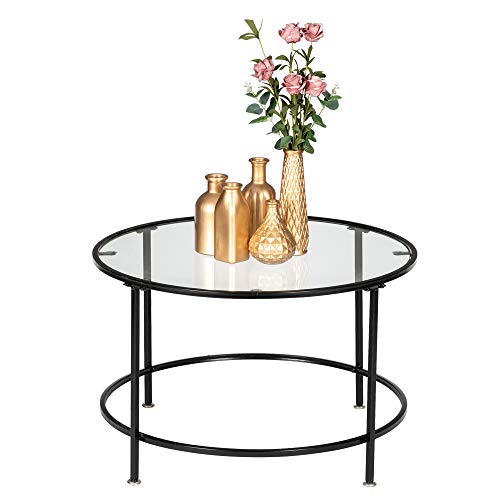
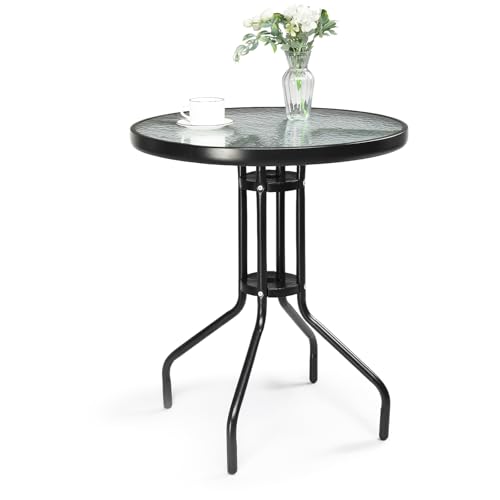
Why a wrought iron glass top dining table? Combining the timeless strength of wrought iron with the elegant transparency of glass, this furniture style brings sophistication and durability to any patio, deck, or sunroom. Whether you are furnishing a cozy balcony or a spacious backyard entertaining area, understanding the nuances of this furniture category will help you make a confident, informed decision. This guide walks you through materials, construction, sizing, care, and design so you can choose the right table for your needs.
Why Choose a Wrought Iron Dining Table with Glass Top?
Wrought iron has been a staple of outdoor furniture for centuries, prized for its exceptional strength-to-weight ratio and its ability to be shaped into intricate, decorative designs. When paired with a glass top, the result is a dining table that feels airy and open while maintaining a solid, grounded presence. The glass surface reflects light beautifully, making outdoor spaces feel larger and more luminous, especially in shaded areas or evening settings.
Unlike solid wood or resin tops, a glass top does not warp, crack, or fade under UV exposure when properly manufactured. Tempered glass used in quality outdoor tables is highly resistant to impact and thermal shock, making it a practical choice for year-round use in many climates. The wrought iron base, meanwhile, provides stability that lighter materials simply cannot match, particularly on windy days or uneven surfaces.
From a design perspective, the combination of dark iron and clear glass creates a versatile canvas. It pairs equally well with traditional, rustic, and modern aesthetics, allowing you to adapt the surrounding decor as your taste evolves. If you appreciate the classic look of ironwork, you might also explore our guide to wrought iron patio furniture for complementary pieces that complete the ensemble.
Materials and Construction: What to Look For
The Wrought Iron Frame
Not all wrought iron is created equal. Quality frames are constructed from solid iron or high-grade steel with a powder-coated or rust-proof finish. Look for joints that are welded, not merely bolted, as welded joints offer superior structural integrity over time. The weight of the table is a good indicator of build quality: a heavier frame generally signals thicker gauge metal and more robust construction.
Decorative elements such as scrollwork, lattice patterns, and curved legs are hallmarks of traditional wrought iron design. These details are not merely aesthetic; they also add rigidity to the frame. When evaluating a table, check that the decorative elements are smoothly finished with no sharp edges or burrs that could catch clothing or cause injury.
The Glass Top
Tempered glass is the standard for outdoor dining tables. It is heat-treated to increase strength and, crucially, breaks into small, blunt fragments rather than sharp shards if damaged. The glass should be at least 6mm thick for outdoor use, with 8mm or 10mm providing greater durability and a more substantial feel. Beveled or polished edges are a sign of quality manufacturing and also reduce the risk of chipping.
Some glass tops feature a frosted or tinted finish, which can reduce glare and add a touch of privacy. Clear glass, however, remains the most popular choice for its ability to showcase the ironwork beneath and create an illusion of floating. If the table will be used in a sunny spot, consider a tinted option to minimize heat buildup and glare during peak hours.
Hardware and Finishing
Stainless steel hardware is essential for outdoor furniture, as it resists rust and corrosion far better than standard steel screws and bolts. Check that all visible hardware is either stainless or finished to match the frame. Plastic or rubber feet protect both the table and your patio surface, and they should be securely attached and replaceable if worn.
Choosing the Right Size and Shape
The size and shape of your table should be dictated by your available space and the number of people you regularly entertain. As a general rule, allow 24 inches of table width per person for comfortable dining. This allows enough room for place settings and elbow room without feeling cramped.
- Round tables are ideal for compact spaces and encourage conversation. A 48-inch round table comfortably seats four, while a 60-inch round table seats six.
- Rectangular tables maximize seating along a linear space, such as a narrow patio or deck. A 60-by-36-inch table seats six, while a larger 72-by-40-inch table can accommodate eight.
- Square tables offer a balanced look for symmetrical spaces and work well in smaller areas. A 48-inch square table seats four comfortably.
When planning your layout, remember to leave at least 36 inches of clearance around the table for chairs to pull out and for people to walk behind seated guests. If your space is particularly tight, consider a smaller bistro-style setup or explore options like a wrought iron bistro set for a more intimate arrangement.
For larger gatherings, a wrought iron outdoor dining set for 6 provides a cohesive solution that includes matching chairs and often a parasol hole for shade. If you need seating for eight or more, a wrought iron outdoor dining set for 8 ensures everyone has a place at the table without compromising on style.
Glass Top vs. Other Table Surfaces
Understanding how glass compares to other common table surfaces will help you determine if it is the right choice for your lifestyle.
Glass Top
Elegant and reflective, glass tops make spaces feel larger and showcase the ironwork beneath. Tempered glass resists heat and UV damage, and it is easy to wipe clean. However, it shows fingerprints and water spots more readily than textured surfaces, and it requires careful handling to avoid impact damage.
Wood Top
Warm and traditional, wood tops offer a natural aesthetic and a tactile surface. Teak and other hardwoods resist moisture well but require periodic sealing to maintain their appearance. Wood can warp or crack if neglected, and it is heavier than glass. Explore wrought iron coffee table with wood top for a similar pairing in a smaller format.
Marble or Stone Top
Marble and stone tops deliver unmatched luxury and a cool, solid feel. They are extremely durable and resistant to heat, but they are heavy and can be porous if not sealed. Stone tops are best suited to covered or sheltered areas where they are protected from heavy rain and freezing temperatures. See our wrought iron console table with marble top for a related style.
Slate Top
Slate offers a rustic, textured surface that is naturally slip-resistant and heat-tolerant. It is less reflective than glass and hides scratches well. However, slate can chip at the edges and may require periodic resealing. It pairs beautifully with traditional ironwork for a cohesive heritage look.
Caring for Your Wrought Iron Glass Dining Table
Routine Cleaning
Regular cleaning is the simplest way to preserve both the glass and the iron frame. For the glass, use a mild glass cleaner or a solution of equal parts water and white vinegar. Apply with a soft microfiber cloth and buff dry to prevent streaks and water spots. Avoid abrasive sponges or scouring powders, which can scratch the glass surface.
For the wrought iron frame, wipe down with a damp cloth and mild dish soap, then dry thoroughly with a clean towel. Pay attention to joints and decorative crevices where moisture can accumulate. A soft-bristled brush can help dislodge dirt from intricate scrollwork without damaging the finish.
Protecting the Finish
Even rust-proof finishes can degrade over time if neglected. Inspect the frame periodically for signs of rust, particularly at weld points and near the ground. If you notice small rust spots, remove them with fine steel wool and touch up with a matching exterior-grade paint or rust converter. Applying a coat of automotive wax to the frame once or twice a year adds an extra layer of protection against moisture and UV exposure.
Pro Tip: During winter or extended periods of non-use, cover the table with a fitted, breathable waterproof cover. Avoid plastic covers that trap moisture, as this can promote rust and mold growth. If freezing temperatures are expected, consider storing the glass top indoors to prevent cracking.
Glass Care
Tempered glass is durable, but it is not indestructible. Avoid placing hot items directly on the glass surface; use trivets or placemats to distribute heat. Do not sit or stand on the table, and avoid dropping heavy objects onto the surface. When moving the table, lift it rather than dragging it, and support the glass from beneath to prevent stress on the frame.
For a deeper clean, remove the glass top (if the design allows) and wash it with warm soapy water. Rinse thoroughly and dry with a soft cloth before replacing it on the frame. This is also a good opportunity to clean the frame beneath the glass, where debris can accumulate.
Design and Styling Ideas
Complementary Seating
The chairs you pair with your table have a significant impact on both comfort and style. Wrought iron chairs with matching scrollwork create a cohesive, traditional look, while woven wicker or rattan chairs soften the industrial edge of the iron for a more relaxed, coastal feel. Cushions in weather-resistant fabrics add comfort and a pop of color, and they can be easily changed to reflect the season or your mood.
If you prefer a unified look, a wrought iron glass dining table and chairs set takes the guesswork out of coordination. For a more eclectic vibe, mix and match chair styles, or combine your table with wrought iron chairs in a contrasting finish.
Shade and Ambiance
A glass top table is particularly striking when paired with a parasol. The glass allows the umbrella's pole to pass through cleanly, and the transparent surface reflects the canopy above. If your table does not have a parasol hole, a freestanding umbrella stand metal or a standing umbrella base can provide shade without modifying the table.
For evening entertaining, consider adding string lights overhead or a small centerpiece with battery-operated candles. The glass surface will catch and reflect the light, creating a warm and inviting atmosphere. A wrought iron coffee table with glass top can extend the same aesthetic to your lounge area, tying the whole outdoor room together.
Flooring and Surroundings
An outdoor rug beneath the table defines the dining zone and adds comfort underfoot. Choose a rug that complements the ironwork's finish and the glass's clarity, such as a neutral tone with a subtle pattern. Potted plants and outdoor planters placed nearby soften the hard lines of the iron and bring a touch of nature to the setting.
Understanding Quality Tiers
When shopping for a wrought iron dining table with glass top, you will encounter products across a range of quality tiers. Understanding what distinguishes each tier helps you align your expectations with the product you choose.
Starter Tier
Entry-level tables typically feature a lighter frame, often made from tubular steel rather than solid iron. The glass may be thinner, and the finish may be a basic powder coat. These tables are suitable for occasional use in sheltered areas and offer good value for their tier. They are a solid choice for first-time buyers or those furnishing a seasonal space.
Balanced Tier
Mid-range tables offer a noticeable step up in construction quality. The frame is heavier, the welds are cleaner, and the glass is thicker and better finished. These tables are designed for regular outdoor use and often include thoughtful details like adjustable feet and rust-resistant hardware. They represent a good balance of durability and design.
Top-Tier
Top-tier tables are crafted from high-grade iron or steel with meticulous attention to detail. The glass is thick, tempered, and precisely cut, and the finish is a multi-step process designed to withstand years of exposure. These tables are often hand-finished and may feature custom or limited-edition designs. They are a long-term investment in both function and aesthetics.
Regardless of tier, always verify that the glass is tempered and that the frame is finished with an outdoor-rated coating. A well-maintained entry-level table can serve faithfully for many years, while a neglected top-tier table may deteriorate prematurely. The key is to match the product to your usage patterns and to commit to regular care.
Common Mistakes to Avoid
- Ignoring the glass thickness: A thin glass top is more prone to cracking and may not meet safety standards for outdoor use. Always confirm the glass is at least 6mm tempered.
- Overlooking the finish: A poor-quality finish will rust quickly, especially in humid or coastal environments. Look for powder-coated or rust-proof finishes and check customer reviews for durability feedback.
- Choosing the wrong size: A table that is too large for your space will feel cramped and leave insufficient room for chairs and walkways. Measure your area carefully and account for chair clearance.
- Skipping the cover: Even the most durable table benefits from a cover during inclement weather and off-season storage. A cover protects both the glass and the iron frame from debris, moisture, and UV damage.
- Neglecting maintenance: Small rust spots and water stains are easy to address when caught early but can become permanent if ignored. A few minutes of care each month will extend the life of your table significantly.
Frequently Asked Questions
Is a glass top suitable for outdoor use?
Yes, tempered glass tops are specifically designed for outdoor use. They resist heat, impact, and weather conditions when properly maintained. Look for tables with tempered or safety glass that meets outdoor furniture standards.
How do I protect a glass top from scratches?
Use a protective cover when the table is not in use, place felt pads under decorative items, and avoid dragging objects across the surface. A glass top with a beveled or polished edge is also more resistant to chipping and scratching.
Can I leave a wrought iron glass table outside in winter?
Wrought iron with a rust-proof finish can withstand winter conditions, but the glass top should be protected or stored indoors during freezing temperatures to prevent cracking. Use a fitted waterproof cover that allows ventilation.
What size glass top dining table do I need?
Allow 24 inches of table width per person for comfortable seating. A 48-inch round table seats four, while a 60-inch round or rectangular table seats six. Measure your patio space carefully before choosing.
How do I clean a wrought iron glass dining table?
Clean the glass with a mild glass cleaner and a soft microfiber cloth. For the wrought iron frame, wipe with a damp cloth and mild soap, then dry thoroughly. Avoid abrasive cleaners that can damage the finish.
Ready to Find Your Perfect Wrought Iron Glass Dining Table?
Explore our curated selection of top-rated tables and complete dining sets. Whether you are outfitting a cozy balcony or a grand patio, we have options to suit your style and space.
Explore Options