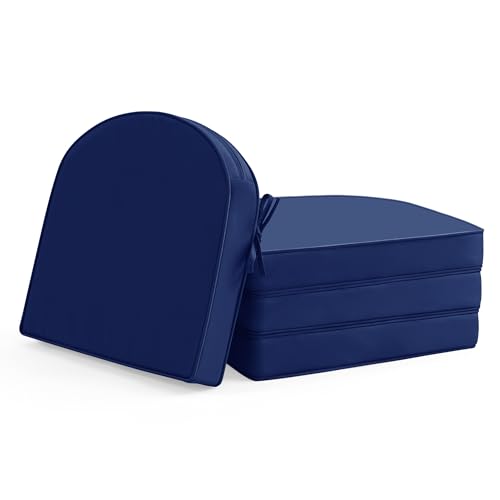
Waterproof Outdoor Chair Cushions on Sale: The Complete Buying Guide
Rain, spills, and blazing sun are no match for well-made weather-ready cushions. Here is everything you need to know about choosing waterproof outdoor chair cushions that stay comfortable, hold their shape, and protect your patio seating season after season.
Explore Cushion OptionsWhy waterproof cushions matter: Outdoor seating is exposed to conditions that indoor furniture never faces. A standard foam cushion that soaks up a single rain shower can take days to dry and may develop mildew inside the core. Waterproof outdoor chair cushions solve that problem by combining a moisture-blocking shell with quick-drying foam, so your chairs are ready to use shortly after the weather clears. This guide explains what to look for, how each tier compares, and how to buy confidently.
What "Waterproof" Really Means for Outdoor Cushions
The word waterproof gets used loosely in outdoor furniture listings, so it helps to separate three related but distinct properties:
- Water-resistant fabric slows moisture absorption. Light rain beads up, but sustained exposure can eventually soak through. These cushions are best for covered porches or occasional drizzle.
- Water-repellent finish adds a treatment to the fabric weave so liquids roll off the surface. It performs well for spills and short showers but can wear down over time with repeated washing.
- True waterproof construction pairs a tightly woven or laminated shell with sealed seams and moisture-resistant foam. This is the category to target if your seating sits fully exposed to the elements.
For most patios, the practical sweet spot is a water-repellent shell combined with open-cell foam and a breathable backing panel. That combination blocks rain while letting trapped humidity escape, which is what keeps a cushion fresh over a full season. If you want to explore broader cushion collections before narrowing down, browse the wider range of outdoor patio chair cushions to see how waterproof models compare with standard options.
Key Features to Evaluate Before You Buy
Fabric marketing terms can be confusing, so focus on the construction details that actually determine performance.
Fabric and shell materials
Solution-dyed acrylic and olefin are the two most common performance fabrics in this category. Both resist fading and hold up to moisture. Polyester blends appear at the entry-level and can perform well when paired with a water-repellent finish, but they tend to fade sooner under intense sun. Look for a fabric described as mold-resistant and UV-stabilized, and check whether the seams are sewn with a moisture-resistant thread.
Foam core and drainage
Open-cell foam dries quickly and stays resilient, while closed-cell foam blocks water but can feel firmer. Many top-tier cushions use a hybrid: a quick-drying core wrapped in a moisture barrier. Drainage gussets or mesh panels at the base allow water to escape instead of pooling inside the cover.
Fit, ties, and attachment
A cushion that slides around defeats the purpose of a comfortable seat. Rear ties, corner loops, or a non-slip backing keep the cushion in place. Verify the listed dimensions against your chair: seat width, seat depth, and back height all need to match within a small tolerance. If your chairs are deep-seat loungers, look for cushions explicitly sized for that style.
Zippers and reversibility
Hidden zippers with covered flaps reduce water intrusion. Reversible designs extend the usable life of the cushion by letting you rotate wear patterns. A removable cover that can be washed separately is a meaningful advantage for households with pets or children, and pairs well with a pet-friendly outdoor setup.
How Cushion Tiers Compare
Rather than shopping by numbers, classify cushions by their position in the market. The table below uses a single, consistent tier system across the whole category.
| Tier | Typical Construction | Best For | Durability Outlook |
|---|---|---|---|
| Entry-level | Polyester shell with a light water-repellent finish, standard foam core, basic ties | Covered porches, seasonal use, first-time patio setups | One to two seasons with attentive care |
| Mid-range | Solution-dyed acrylic or olefin shell, quick-drying foam, mesh drainage panel, reinforced ties | Fully exposed patios in moderate climates | Several seasons of regular use |
| Premium | Laminated waterproof backing, sealed seams, high-resilience foam, UV-stabilized fabric | Rain-prone regions, year-round outdoor seating | Extended lifespan with proper storage |
| Luxury | Performance fabric with a multi-layer moisture barrier, custom-fit dimensions, replaceable covers | Design-led patios and long-term outdoor investments | Longest service life in the category |
Mid-range models usually offer the most balanced combination of moisture protection, comfort, and longevity. Entry-level cushions are a reasonable starting point if your seating lives under a roof, while premium and luxury tiers make sense when cushions stay outside through every season.
Matching Cushions to Your Chairs
The right cushion depends on the chair it sits on. Deep-seat lounge chairs need thicker, longer cushions, while bistro and dining chairs use slimmer profiles. If you are outfitting a set, consider the chair style before choosing a cushion shape.
- Dining and bistro chairs: thinner seat pads with rear ties work best, and a set of four keeps a matching look across the table. See the range of patio chair cushions in sets of four for coordinated options.
- Deep-seat lounge chairs: look for thicker profiles with a defined back section, similar to deep-seat outdoor cushions sized for larger frames.
- Sectionals and sofas: sectional seating often needs longer bench-style cushions; replacement options are covered in the guide to replacement cushions for outdoor sectional couches.
- Chaise lounges: full-length cushions with a hinged back section are the correct fit; see outdoor chaise lounge cushions for the shape to look for.
Color and pattern also matter. Neutral tones hide wear, while striped designs add visual interest. If you want to coordinate with existing decor, browse striped outdoor cushions and the related striped outdoor umbrella to build a cohesive look across the seating area.
Pre-Purchase Checklist
Run through these points before you commit
- Measure seat width, seat depth, and back height, then compare against listed cushion dimensions.
- Confirm the fabric is described as mold-resistant and UV-stabilized.
- Check whether the foam is open-cell or quick-drying.
- Look for drainage panels, covered zippers, and reinforced seams.
- Verify attachment hardware: ties, loops, or non-slip backing.
- Decide whether covers need to be removable and washable.
- Match the tier to your exposure level: covered porch versus open patio.
- Plan storage for off-season months so cushions stay dry when not in use.
Care and Maintenance for Longevity
Even the best waterproof cushion benefits from routine care. Brush off leaves and debris weekly, wipe spills promptly with mild soapy water, and rinse thoroughly before allowing the cushion to air dry in a shaded, ventilated spot. Avoid leaving cushions flat on the ground after rain, since trapped moisture under the cover is the leading cause of mildew. During off-season months, store cushions in a dry location or use a breathable storage cover.
For seasonal storage strategies, the winter storage guide covers how to protect fabric and foam through cold months, and the summer decor guide explains how to refresh your seating area when the season turns. If you plan to leave cushions outdoors year-round, choose the premium or luxury tier so the moisture barrier holds up to repeated cycles of rain and sun.
How to Shop Efficiently
When browsing listings, filter first by dimensions and fabric type, then compare construction details across the tiers. A cushion described as waterproof but lacking sealed seams or a drainage panel is usually only water-resistant. Read the care instructions carefully; a cushion that requires hand washing and line drying is a different commitment than one with a removable, machine-washable cover.
If you are still planning the broader patio layout, the outdoor planning guide helps you prioritize spending across seating, shade, and accessories so the cushions you choose fit the overall design. For buyers comparing multiple seating styles, the durable outdoor chairs guide explains which chair frames pair best with thick waterproof cushions and which work better with slim pads.
Related Guides
Frequently Asked Questions
What does waterproof mean for outdoor chair cushions?
Waterproof outdoor chair cushions typically use a tightly woven fabric with a water-repellent finish or a laminated backing that stops moisture from soaking through. True waterproof construction keeps the foam core dry during rain and spills, while water-resistant fabrics only slow absorption.
How do I choose the right size cushion for my patio chair?
Measure the seat width, seat depth, and back height of your chair, then compare those measurements to the cushion dimensions listed by the maker. Allow a small tolerance for fabric stretch and always check whether the cushion is designed for a deep-seat, standard, or bistro-style chair.
Are waterproof cushions comfortable in hot weather?
Yes. Mid-range and premium waterproof cushions often use open-cell foam or breathable fabric backing that allows air to circulate, so they stay comfortable in warm weather. Entry-level models with solid laminated backs can feel warmer, so look for breathable panels if comfort is a priority.
How should I care for waterproof outdoor chair cushions?
Brush off loose debris, wipe spills with mild soapy water, rinse, and let the cushion air dry fully before use. Store cushions in a dry place during off-season months and use covers when the furniture sits unused for long periods.