Zero Gravity Camping Chair: The Ultimate Comfort Guide
Everything you need to know before choosing a zero gravity reclining chair for camping, the backyard, or indoor relaxation. Compare features, understand ergonomics, and find your perfect fit.
Explore Recommended ModelsWhy Zero Gravity Chairs Matter: A zero gravity camping chair redefines outdoor relaxation by mimicking the weightless posture astronauts experience during launch. This reclined position evenly distributes body weight, reduces spinal pressure, and elevates your legs to promote circulation. Whether you are a weekend camper, a backyard lounger, or someone seeking relief from back discomfort, understanding the anatomy of these chairs will help you make a confident, informed decision.
What Is a Zero Gravity Camping Chair?
A zero gravity camping chair is a portable, folding recliner engineered to support the body in a neutral, reclined position that approximates weightlessness. Unlike standard camping chairs that keep you upright, a zero gravity chair lets you recline deeply while raising your legs above heart level. This posture is known as the "zero gravity position" or "NASA position" because it was originally studied by aerospace engineers to reduce stress on astronauts' bodies during launch and re-entry.
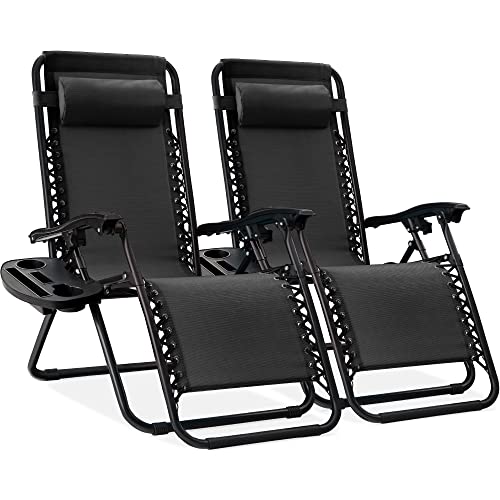
Most models feature a powder-coated steel or aluminum frame, a breathable mesh or fabric seat, and a locking mechanism that lets you adjust the recline angle. The chair folds flat for transport, making it a popular choice for camping trips, tailgating, beach days, and even indoor lounging. For those who prefer to relax at home, a zero gravity chair for indoor use offers the same ergonomic benefits without exposing the chair to outdoor elements.
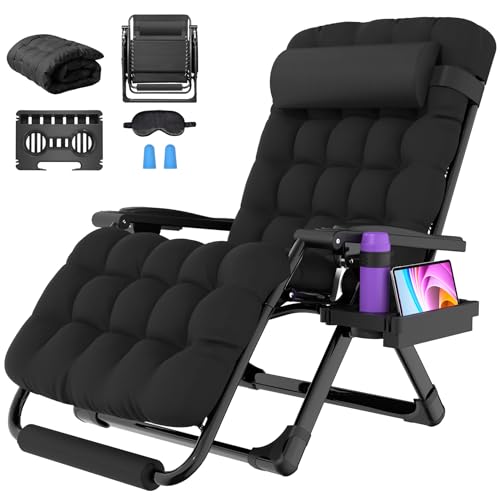
The design typically includes a padded headrest, armrests, and sometimes a cup holder or side tray. High-end models may feature a sunshade canopy, lumbar support, or a rocking function. The key differentiator from a standard recliner is the synchronized motion between the backrest and leg rest, which cradles the body rather than forcing it into an awkward angle.
Key Features to Evaluate Before Buying
Not all zero gravity chairs are created equal. The following features determine comfort, durability, and suitability for your specific use case. Pay close attention to each one, as they directly impact long-term satisfaction.
Frame Material & Construction
Powder-coated steel offers heavy-duty support and rust resistance. Aluminum is lighter for portability but may flex under heavier loads. Look for reinforced joints and a solid build for longevity.
Weight Capacity
Standard models support 250–300 lbs, while heavy-duty variants reach 350–400 lbs or more. Always match the capacity to the user and check for a reinforced frame.
Fabric & Breathability
Mesh fabric promotes airflow and dries quickly, ideal for humid climates. Padded polyester or oxford cloth offers more cushioning but may retain heat. Choose based on your climate.
Recline Mechanism
A smooth locking system lets you set and hold your preferred angle. Mid-range and premium models typically offer finer adjustments and more secure locks than entry-level chairs.
Portability & Foldability
Folding designs collapse flat for storage. Check the folded dimensions and weight—lighter chairs are easier to carry, but heavier frames often provide more stability.
Accessories & Extras
Cup holders, side trays, headrest pillows, and sunshades add convenience. Some models include a carrying bag for transport and storage.
Types of Zero Gravity Chairs
Zero gravity chairs come in several configurations, each suited to different environments and user preferences. Understanding these categories helps you narrow down the right model.
- Standard Folding Camping Chair: The most common type. Lightweight, portable, and designed for outdoor use. Ideal for camping, picnics, and backyard lounging. See our guide to the zero gravity folding reclining lounge chair for a deeper dive.
- Oversized or Heavy-Duty Chair: Built with a wider seat and reinforced frame to support larger users or provide extra room. These models are heavier but offer superior stability.
- Rocking Zero Gravity Chair: Combines the reclining motion with a gentle rocking function. Great for soothing relaxation, though slightly less stable on uneven ground.
- Indoor Zero Gravity Chair: Often upholstered with softer fabrics and styled for living rooms or bedrooms. May not fold as compactly as outdoor models.
- Lounger with Canopy: Features an attached sunshade for beach or poolside use. The canopy protects against UV rays while you recline.
For those who want a dedicated outdoor relaxation setup, a zero gravity chair for outdoor use should prioritize weather-resistant materials and a sturdy frame. Conversely, an indoor model can focus on plush comfort and aesthetic integration with your home decor.
Zero Gravity Chair Comparison by Tier
The following table categorizes zero gravity chairs by market tier. This classification helps you understand what to expect at each level without referencing specific figures. Use it to align your expectations with the product you are considering.
| Tier | Frame & Build | Fabric | Adjustability | Best For |
|---|---|---|---|---|
| Entry-Level | Standard steel frame, basic joints | Single-layer mesh or polyester | Simple locking mechanism, limited angles | Occasional use, light lounging |
| Mid-Range | Reinforced steel or aluminum, better welds | Double-layer mesh with padding | Smooth recline with multiple lock positions | Regular campers, backyard enthusiasts |
| Premium | High-grade aluminum or heavy-duty steel, precision joints | Weather-resistant, breathable technical fabric | Fine-tuned reclining, ergonomic headrest | Frequent users, comfort-focused buyers |
| Luxury | Commercial-grade frame, extended warranty | Premium cushioning, UV-resistant materials | Advanced locking, rocking or swivel features | Dedicated loungers, long-term investment |
Ergonomics and Health Benefits
The zero gravity position is more than a marketing term—it has real ergonomic benefits. When your legs are elevated to heart level and your back is reclined at roughly 120 to 135 degrees, your body weight is distributed across a larger surface area. This reduces pressure on the lower spine, improves blood circulation, and can alleviate discomfort associated with prolonged sitting.
For people with back pain, a zero gravity chair can serve as a supportive relaxation tool. The reclined posture decompresses the vertebrae and reduces the load on spinal discs. Many physical therapists recommend zero gravity positioning for short periods to relieve tension. However, it is not a medical device, and anyone with a specific condition should consult a healthcare professional before relying on it for therapeutic purposes.
Beyond back support, the elevated leg rest encourages venous return, which can reduce swelling in the lower legs after a long day of hiking or standing. The gentle rocking motion available on some models adds a calming, rhythmic element that promotes relaxation. For a comprehensive look at outdoor reclining options, explore our guide to zero gravity recliner outdoor folding chairs.
How to Choose the Right Zero Gravity Camping Chair
Selecting the right chair comes down to matching its features to your lifestyle. Consider the following factors before making a decision.
1. Determine Your Primary Use
Will the chair live in your camping gear, on your patio, or in your living room? Camping chairs should prioritize portability and weather resistance. Backyard chairs can be slightly heavier and more feature-rich. Indoor chairs can focus on plush comfort and aesthetic appeal. If you need a chair that transitions between spaces, a folding model with a carrying bag is the most versatile choice. For those who want a dedicated lawn recliner, a zero gravity lawn chair is designed specifically for grassy or soft ground.
2. Check Weight Capacity and Frame Strength
Always verify the manufacturer's weight capacity. If you are near the upper limit, choose a heavy-duty model with a reinforced frame. A chair that strains under load will wear out faster and may pose a safety risk. Look for solid welds, thick tubing, and a stable base.
3. Evaluate Fabric and Climate Suitability
Mesh fabric is breathable and quick-drying, making it ideal for hot, humid climates. Padded fabric offers more comfort in cooler weather but may trap heat. If you plan to leave the chair outdoors, choose UV-resistant and water-repellent materials. A durable outdoor chair with a weather-resistant coating will withstand sun and rain far better than untreated fabric.
4. Consider Portability and Storage
Folding chairs collapse for easy storage, but check the folded dimensions and weight. If you have limited storage space, a compact model is essential. A carrying bag adds convenience for transport. For indoor use, a chair that folds flat can be tucked behind a sofa or into a closet.
5. Look for Adjustability and Locking Mechanisms
A good locking mechanism holds the chair securely at your chosen angle. Test the recline motion if possible—it should be smooth and require minimal effort. Some models offer a continuous recline, while others have preset positions. Premium chairs often have finer adjustment ranges and more robust locks.
6. Don't Overlook Accessories
Cup holders, side trays, and headrest pillows enhance the lounging experience. A sunshade canopy is valuable for beach or pool use. Some chairs include a storage pocket for small items. These extras are not essential but can make a chair more enjoyable for long sessions.
Care and Maintenance Tips
Proper care extends the life of your zero gravity chair and keeps it looking fresh. Follow these simple maintenance practices:
- Clean the fabric regularly: Wipe down mesh or fabric with mild soap and water. Avoid harsh chemicals that can degrade the material. Allow the chair to dry completely before folding.
- Inspect the frame: Check for rust, loose bolts, or bent tubing. Touch up any scratches on powder-coated frames with a matching paint to prevent corrosion.
- Lubricate moving parts: Apply a silicone-based lubricant to the recline mechanism and hinges to keep them operating smoothly. Avoid oil-based lubricants that attract dust.
- Store properly: When not in use, fold the chair and store it in a dry place. If leaving it outdoors, use a cover or bring it inside during inclement weather. For seasonal storage guidance, see our winter storage guide.
- Check the weight limit: Do not exceed the manufacturer's recommended capacity. Overloading the chair can damage the frame and compromise safety.
If you use your chair frequently, a periodic deep clean and inspection will keep it in top condition for years. For outdoor furniture in general, our weatherproofing guide offers additional protection strategies.
Ready to Experience Weightless Comfort?
Browse our curated selection of zero gravity camping chairs and find the model that matches your relaxation style. Compare features, read reviews, and make a confident choice.
View Recommended Chairs