Zero Gravity Chair Indoor: The Complete Guide to Choosing the Right Recliner for Your Home
Everything you need to know about bringing zero gravity comfort indoors — from recline mechanics and frame materials to weight capacity and room placement.
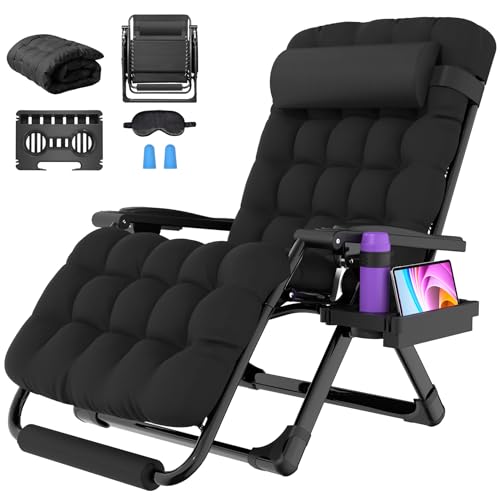
Why indoor zero gravity chairs deserve your attention: The zero gravity position — legs elevated slightly above heart level with the torso reclined — distributes body weight evenly across the frame. Originally designed for outdoor lounging, these chairs have become a favorite indoor ergonomic recliner for reading, watching TV, or simply unwinding after a long day. This guide walks you through what actually matters before you choose a model for your living room, bedroom, or home office.
What Makes a Zero Gravity Chair Different from a Regular Recliner?
A zero gravity chair is engineered to recline at an angle that mimics weightlessness — typically around 140 to 160 degrees from upright. Instead of pushing your body forward like a standard armchair, the seat tilts back while the leg rest rises, so your knees sit at or slightly above hip level. This posture reduces pressure on the lower spine and promotes circulation in the legs.
Indoor models adapt this concept for home use. They often come with padded fabric instead of breathable outdoor mesh, a narrower footprint to fit living spaces, and finishes that blend with interior decor. If you are comparing this with an outdoor version, the zero gravity chair outdoor guide covers weather-resistant features and portability in more detail.
Key Components of an Indoor Zero Gravity Chair
- Recline mechanism: A locking lever or tension system that holds the chair at your preferred angle. Mid-range and premium models typically offer smoother, more precise locking than entry-level options.
- Frame: Powder-coated steel or aluminum for solid build and durability. Heavy-duty frames are reinforced at the joints and support higher weight capacities.
- Fabric: Breathable mesh keeps you cool; padded fabric or faux leather offers a softer, more furniture-like feel for indoor living rooms.
- Armrests: Fixed or adjustable. Wider, padded armrests improve comfort during long reading sessions.
- Folding design: Many indoor models fold flat for storage, which matters if you live in a smaller apartment or want to tuck the chair away between uses.
Indoor vs. Outdoor Zero Gravity Chairs: What Changes?
The core recline geometry is the same, but the construction priorities shift. Outdoor chairs emphasize UV-resistant mesh, rust-proof finishes, and lightweight portability. Indoor chairs lean toward upholstered comfort, a more refined visual profile, and stability on hard floors rather than grass or decking.
If you plan to move the chair between a covered porch and your living room, a versatile option like the zero gravity folding reclining lounge chair can handle both settings. For dedicated indoor use, prioritize fabric comfort and floor-friendly feet over weatherproofing.
How to Choose an Indoor Zero Gravity Chair: 6 Criteria That Matter
1. Weight Capacity and Frame Strength
Check the manufacturer's stated weight capacity and match it to the users in your household with a comfortable margin. Standard models typically support around 250 to 300 pounds. If you need more support, look for a reinforced frame rated for 350 to 400 pounds or higher. A heavy-duty chair rated for 400 lbs demonstrates the kind of reinforced construction to look for, even if that specific model is built for camping.
2. Recline Range and Locking Mechanism
A good indoor recliner should hold firmly at multiple angles, not just fully reclined. Test descriptions for "infinite position" or "multi-lock" systems. Entry-level models often use a simple friction lock; mid-range and high-end tier chairs add smoother tension adjustment and more secure locking.
3. Fabric and Upholstery
For indoor use, breathable mesh is still a solid choice for warm rooms, while padded polyester or faux leather feels more like traditional furniture. Removable, washable covers are a practical bonus. Avoid fabric that traps heat if the chair will sit near a radiator or in a sunlit room.
4. Footprint and Room Placement
Measure the floor space where the chair will live, then add the reclined length — a fully reclined zero gravity chair can extend well beyond its folded footprint. Leave clearance behind the backrest so it can tilt without hitting a wall or furniture. Folding models that store upright are the most space-efficient choice for apartments.
5. Armrests and Head Support
Padded armrests reduce pressure on the elbows and forearms during long sessions. A removable headrest pillow is common on mid-tier and premium chairs; it makes a noticeable difference for neck comfort when fully reclined.
6. Assembly and Portability
Most zero gravity chairs arrive fully assembled or require minimal setup — unfold and lock. If you plan to move the chair between rooms, check the folded weight. Aluminum frames are lighter than steel; steel frames typically feel more planted and stable.
Indoor Zero Gravity Chair Tiers at a Glance
Use this tier comparison to align your expectations with what each class of chair typically delivers. Tiers reflect relative market positioning, not absolute specifications.
| Tier | Frame & Build | Recline Mechanism | Fabric & Comfort | Best For |
|---|---|---|---|---|
| Entry-Level | Basic powder-coated steel; lighter gauge tubing | Simple friction lock; limited positions | Standard mesh or thin polyester; basic padding | Occasional use, guest seating, first-time buyers |
| Mid-Range | Reinforced steel frame; solid joints | Smoother tension lock; multiple recline angles | Breathable mesh with padded armrests; headrest pillow | Daily reading and relaxation, primary living room chair |
| Premium | High-grade steel or aluminum; heavy-duty capacity | Precise infinite-position locking; easy adjust | Padded fabric or faux leather; removable covers | Long sessions, back-support seekers, design-conscious homes |
| Luxury | Commercial-grade frame; flagship construction | Silky multi-position mechanism with secure hold | Premium upholstery; lumbar and neck support built in | Dedicated relaxation space, wellness-focused buyers |
Ergonomic Reality Check: What Zero Gravity Reclining Can and Cannot Do
Many buyers come to this category hoping for back pain relief. The zero gravity position does reduce pressure on the lower spine for most users, and the elevated leg rest supports circulation. That said, these chairs are not medical devices. If you have chronic back issues, look for a model with adjustable lumbar support and consult a healthcare professional. The best indoor chair for you is one whose recline angle and firmness match your body, not the most heavily marketed option.
Where to Put an Indoor Zero Gravity Chair
Placement affects how often you actually use the chair. A few proven spots:
- Living room corner: Pair with a slim side table and a floor lamp for a dedicated reading nook. Choose a fabric that complements your sofa upholstery.
- Bedroom: A recliner near a window becomes a quiet morning spot. Foldable models work well here if floor space is limited.
- Home office: Swap a rigid guest chair for a recliner that doubles as a break-time relaxation seat. The reclined position helps reset posture after long desk hours.
- Sunroom or enclosed porch: Indoor-rated chairs work in covered, climate-controlled spaces. If the space is exposed to humidity, lean toward mesh fabric and rust-proof finishes.
If your sunroom doubles as a seasonal outdoor space, the indoor chaise lounge guide covers related reclining furniture for lounging setups.
Indoor Care and Maintenance
Indoor zero gravity chairs need less weatherproofing than outdoor models, but a few habits extend their life:
- Wipe the frame with a damp cloth monthly to prevent dust buildup in the locking mechanism.
- Vacuum mesh fabric with a brush attachment; spot-clean padded covers according to the manufacturer's instructions.
- Apply a light lubricant to the recline hinge if it starts to feel stiff — check the manual first, as some mechanisms are sealed.
- Keep the chair away from direct heat sources like radiators and fireplaces, which can degrade fabric over time.
- If you store the chair folded for long periods, keep it in a dry space to protect the frame finish. The winter storage guide offers broader seasonal storage advice.
Frequently Asked Questions About Indoor Zero Gravity Chairs
A zero gravity chair reclines to an angle that distributes body weight evenly, reducing pressure on the spine and joints. Indoors, these chairs work as ergonomic recliners for reading, relaxing, or relieving back tension without needing outdoor space.
Standard models typically support around 250 to 300 pounds, while heavy-duty options support 350 to 400 pounds or more. Always check the manufacturer's stated capacity and choose a model with a reinforced frame if you need higher support.
Yes. Folding and reclining models can fit in compact rooms when not fully extended. Measure your available floor space, account for the reclined length, and consider a folding model that stores upright when not in use.
Powder-coated steel or aluminum frames offer solid build and durability. Breathable mesh fabric keeps you cool, while padded fabric or faux leather provides a softer feel. For indoor use, fabric covers that are removable and washable add convenience.
Many users report reduced pressure on the lower back when reclined in a zero gravity position. However, these chairs are not medical devices. Consult a healthcare professional for chronic pain, and choose a model with adjustable recline and lumbar support for best results.
Related Guides for Your Indoor Relaxation Setup
If you are building a full relaxation space, these guides pair well with an indoor zero gravity chair:
- Zero gravity camping chair — for buyers who want a portable version for trips.
- Zero gravity lawn chair — the outdoor equivalent for backyard lounging.
- Zero gravity recliner outdoor folding chairs — folding options that bridge indoor and outdoor use.
- Hanging chair — another alternative for a cozy indoor relaxation corner.
- Outdoor papasan chair — if you prefer a bowl-style seat for reading nooks.