Adjustable Height Outdoor Coffee Dining Table: The Complete Guide
One table, two purposes. Learn how a convertible coffee-to-dining table works, which materials last longest outdoors, and how to choose the right size and mechanism for your patio, deck, or balcony.
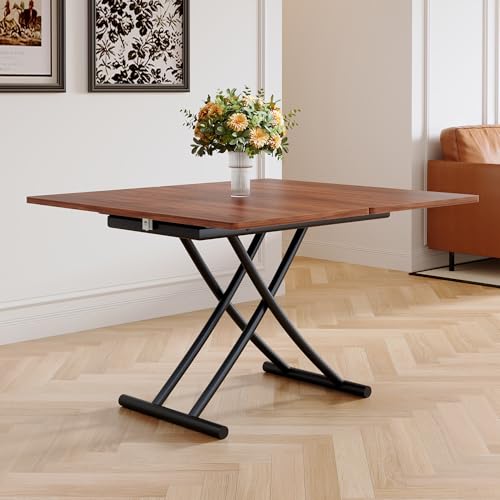
An adjustable height outdoor coffee dining table is a clever piece of patio furniture that shifts between a low coffee table for lounging and a raised dining surface for meals. Instead of dedicating floor space to two separate tables, you get a single piece that adapts to how you actually use your outdoor area throughout the day. For homeowners with compact patios, balconies, or multi-use decks, this dual-function design solves a real layout problem.
This guide walks through how the lifting mechanisms work, the materials that hold up best to sun and rain, sizing recommendations by space, and practical styling ideas. If you are still planning the broader layout of your outdoor room, our small patio layout guide pairs well with this article. If you want to see how a convertible table fits alongside other outdoor pieces, browse our outdoor living ideas hub first.
Quick Summary: Who Should Buy One?
- Small patios and balconies: the convertible design replaces two tables with one footprint.
- Multi-purpose decks: morning coffee, afternoon laptop work, and evening dinners all use the same surface.
- Renters and apartment dwellers: a single lightweight piece is easier to move and store than a full dining set.
- Entertainers with limited seating: the raised position accommodates standard dining chairs when guests arrive.
How an Adjustable Height Outdoor Coffee Dining Table Works
Most convertible patio tables rely on one of three lifting systems. Understanding the difference helps you choose a model that matches how often you will change the height and how much weight the table needs to hold.
1. Gas Strut Lift-Top
A gas strut assists the lift, similar to a car hood. You release a latch and the tabletop rises smoothly to the dining position. These are the most user-friendly for people who switch heights daily, and they are common in mid-range and premium models. The trade-off is that gas struts can lose pressure over several years and may need replacement.
2. Manual Locking Pin or Scissor Mechanism
The tabletop slides up on a scissor frame and locks into preset notches with a pin or lever. This design is mechanically simple, durable, and typical of entry-level and mid-tier tables. It requires two hands and a bit of effort, but there is very little that can fail.
3. Crank or Screw Mechanism
A hand crank or threaded column raises the surface gradually. These tend to be the most stable at full height because the screw locks firmly in place, and they are often found on larger rectangular tables and commercial-grade designs. The trade-off is slower adjustment speed.
Whichever mechanism you choose, check that the table has a locking position at both the coffee height and the dining height. Tables that only lock at the top can drift down under weight.
Materials That Survive Outdoors
The lifting mechanism is only half the story. The tabletop and frame face UV exposure, rain, and temperature swings, so material choice determines how long the table stays looking good.
- Powder-coated aluminum: rust-proof, lightweight, and easy to reposition. The most popular choice for convertible tables because the frame stays light enough for one person to move. Explore more in our aluminum outdoor furniture guide.
- Teak and acacia: naturally weather-resistant hardwoods with warm grain. They need occasional sealing to prevent silvering and drying cracks. Our acacia wood outdoor furniture overview covers care in detail.
- HDPE and high-grade resin: low-maintenance, fade-resistant, and impervious to moisture. Ideal for coastal or rainy climates where wood is hard to maintain.
- Tempered glass tops: easy to wipe clean and resistant to heat, but heavier and prone to chipping at the edges. Best paired with a sturdy metal frame.
For a broader comparison of frame materials and finishes, see our all-weather outdoor furniture guide.
Choosing the Right Size for Your Space
Because the table serves two functions, sizing needs to account for both modes. A table that feels right as a coffee table may be cramped when raised for dining.
| Space Type | Recommended Shape & Size | Best For |
|---|---|---|
| Balcony or small patio | Round, 32–40 in diameter | Two to four people; coffee mode most of the day |
| Mid-size deck | Rectangular, 48–60 in long | Four diners; doubles as a prep or laptop surface |
| Large patio or poolside | Square, 40–48 in | Four to six people; symmetrical seating arrangement |
| Narrow urban patio | Rectangular, 36–44 in long | Two people; pushed against a wall or railing |
Leave at least 24 inches of clearance on every side where a chair will be pulled out. In coffee mode, a 14–18 inch gap to the sofa is comfortable for reaching drinks and snacks. If your outdoor room is tight, our balcony furniture for small spaces guide offers additional layout strategies.
Quality Tiers: What to Expect at Each Level
Adjustable height patio tables fall into recognizable quality bands. The differences show up mainly in mechanism smoothness, frame rigidity, and finish durability.
| Tier | Typical Characteristics | Best For |
|---|---|---|
| Entry-level | Manual pin or basic scissor lift; thinner aluminum frame; simple powder coat | Occasional use, renters, seasonal setups |
| Mid-range | Gas strut or reinforced scissor; heavier frame; better UV-resistant finish | Daily height changes, family patios |
| Premium | Precision gas lift or crank; welded frame; marine-grade hardware; sealed wood tops | Year-round outdoor use, coastal climates |
| Commercial-grade | Screw or crank column; reinforced base; certified load ratings | Hospitality, shared courtyards, heavy daily use |
Mid-range models usually offer the smoothest balance of mechanism reliability and frame stability. Entry-level tables can work well for light use, but check reviews specifically for wobble at full height. Premium and commercial-grade tables are worthwhile investments when the table stays outside all year.
Stability and Safety Checks Before You Commit
Height-adjustable tables put more stress on the frame than fixed tables because the load path changes as the top rises. A few checks separate a stable table from a wobbly one:
- Base spread: wider feet or a cross-braced base resist tipping better, especially in the raised position.
- Lock confirmation: the mechanism should click or pin visibly into place. Avoid models where the lock relies only on friction.
- Weight rating: confirm the table supports the weight of plates, serving dishes, and someone leaning on the edge.
- Edge finish: rounded or beveled edges matter more on a table that sits at knee height in coffee mode.
Styling an Adjustable Height Table
A convertible table changes the visual weight of a patio depending on its position. In coffee mode it anchors a lounge zone; in dining mode it becomes the center of a conversation circle. A few styling principles keep both modes looking intentional:
In Coffee Mode
- Pair with a low outdoor sofa or a pair of lounge chairs for a relaxed conversation setup.
- Use a tray to corral drinks and a small plant so the surface does not look cluttered.
- An outdoor rug underneath visually ties the seating group together.
In Dining Mode
- Standard dining chair seat heights work with most raised positions. Confirm the exact raised height before buying chairs.
- A compact patio umbrella through a center hole provides shade without a separate dining set.
- Add a small centerpiece that can stay out between meals, such as a weatherproof lantern.
For more arrangement ideas, our patio styles collection covers modern, coastal, rustic, and minimalist layouts that pair well with convertible tables.
Care and Maintenance
An adjustable table has moving parts, so maintenance is slightly different from a fixed table:
- Wipe the mechanism area clean of grit every few weeks; sand and debris accelerate wear on sliding parts.
- Lubricate gas struts, scissor joints, or crank threads once per season with a silicone-based lubricant.
- Use a fitted cover during long periods of disuse or heavy weather, but let the table dry fully before covering.
- For wood tops, reseal annually or when water stops beading on the surface.
Our weatherproofing guide and outdoor care hub cover seasonal maintenance routines for frames, tops, and hardware.
Frequently Asked Questions
How does an adjustable height outdoor coffee dining table work?
Most models use a lift-top or scissor mechanism that raises the tabletop from a low coffee height to a standard dining height. Some rely on gas struts, others on manual locking pins or a crank system. The mechanism locks into preset positions for stability.
What materials are best for an adjustable height patio table?
Powder-coated aluminum is the most popular because it resists rust and stays light enough to move. Teak and acacia offer natural warmth and require periodic sealing. High-grade resin and HDPE are durable low-maintenance options for coastal or rainy climates.
Can an adjustable height table stay outdoors all year?
Most weather-resistant models can remain outside year-round, but the lifting mechanism benefits from protection. Use a fitted cover during heavy rain or snow and lubricate moving parts seasonally to keep the mechanism smooth.
What size adjustable height table fits a small patio?
Round tables between 32 and 40 inches in diameter are ideal for two to four people in compact spaces. Rectangular models around 48 inches long work well against a wall or railing. Always leave at least 24 inches of clearance around the table for chair pull-out.
Is an adjustable height table stable enough for dining?
Yes, when the table uses a reinforced locking mechanism and a wide base. Mid-range and premium models typically include stabilizing crossbars or weighted feet. Entry-level versions may wobble slightly at full height, so check user reviews on stability before choosing.
Final Checklist Before Buying
- Measure the footprint in both coffee and dining modes, including chair pull-out space.
- Confirm the raised height matches your dining chairs.
- Choose a mechanism based on how often you will switch heights.
- Match the material to your climate and maintenance willingness.
- Check the locking system for a positive, visible engagement.
- Plan storage for cushions and a cover for the off-season.
Once you have settled on a convertible table, our buying guides section can help you round out the rest of the patio, from seating to shade.