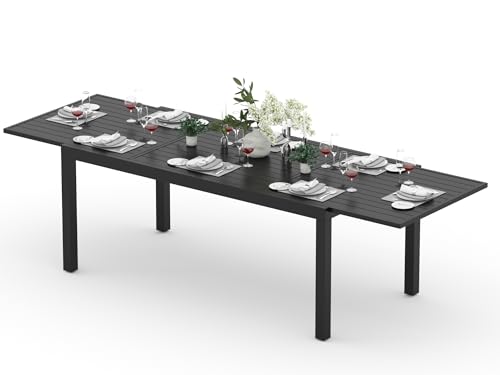
Aluminum Outdoor Dining Table: The Complete Buying Guide
Lightweight, weather-resistant, and built to last — discover why an aluminum outdoor dining table is one of the smartest investments for your patio, deck, or backyard dining space.
START THE GUIDEWhy aluminum? Aluminum has become the go-to frame material for outdoor dining furniture because it combines low weight with impressive strength. Unlike steel, it will not rust when exposed to rain or humidity, and unlike wood, it does not warp, crack, or require annual sealing. For homeowners who want a dining table that looks refined season after season with minimal upkeep, aluminum is a dependable choice.
What Makes an Aluminum Dining Table a Smart Choice?
An aluminum outdoor dining table sits at the intersection of practicality and design flexibility. Because the metal is easy to cast, extrude, and powder-coat, manufacturers can produce everything from sleek modern silhouettes to ornate traditional profiles. The material itself is naturally corrosion-resistant, and when finished with a quality powder coating, it becomes even more resilient against scratches, fading, and moisture.
Another advantage is portability. Aluminum weighs significantly less than wrought iron or cast aluminum alternatives of similar size, which means you can rearrange your patio layout without straining your back. This makes it especially appealing for renters, apartment dwellers, and anyone who likes to reconfigure their outdoor space for different occasions.
If you are still weighing table shapes and seating arrangements, our guide to round dining tables with umbrella holes can help you visualize how an aluminum table fits into different layouts. And if you prefer a rectangular footprint for larger gatherings, the large outdoor dining table with bench and chairs format is worth exploring.
Key Factors to Consider Before You Buy
Choosing the right aluminum dining table is about matching the table to your space, your climate, and the way you entertain. Below are the most important considerations to evaluate.
1. Table Size and Seating Capacity
The first decision is how many people you need to seat regularly. A small round table works well for two to four diners, while a rectangular table accommodates larger families and dinner parties. Consider both your everyday needs and how often you host guests. If you frequently entertain a crowd, an 8-seat outdoor dining set with umbrella offers generous space and integrated shade. For smaller patios, a 3-piece outdoor bistro set keeps the footprint compact without sacrificing the pleasure of dining outside.
2. Frame Construction and Finish
Not all aluminum frames are created equal. Look for tables described as powder-coated or anodized, as these finishes provide an extra barrier against the elements. Tubular frames tend to be lighter, while cast aluminum components offer a more substantial, traditional look. Reinforced joints and welded construction indicate a solid build that will hold up over years of use.
If you want to compare materials more broadly, our overview of high-quality wicker patio furniture explains how woven materials stack up against metal alternatives for different design preferences.
3. Tabletop Material
The tabletop can be aluminum, glass, slatted metal, or a composite surface. Glass tops create an open, airy feel and are easy to wipe clean, but they show smudges and can be heavy. Slatted aluminum tops allow rainwater to drain quickly and resist pooling, which is ideal for uncovered patios. Composite or faux-wood tops offer a warmer aesthetic while retaining the aluminum frame's structural benefits.
4. Shape and Space Planning
Round tables encourage conversation and fit well in square or compact areas. Rectangular tables maximize seating along a wall or in a dedicated dining zone. Oval tables split the difference, offering a softer outline with generous surface area. Before ordering, measure your patio or deck and leave at least 36 inches of clearance around the table for chairs to pull out comfortably.
5. Umbrella Compatibility
If your dining area is exposed to direct sun, an umbrella hole is a valuable feature. Many aluminum tables include a pre-drilled hole and a stabilizing base ring. Pair your table with a cantilever patio umbrella with tilt and rotation to adjust shade throughout the day without obstructing the table surface.
Comparing Aluminum Dining Table Tiers
Outdoor furniture falls into broad quality tiers that reflect construction methods, finish durability, and design detail. Use this table as a general framework for understanding what to expect at each level.
| Tier | Best For | Typical Characteristics |
|---|---|---|
| Entry-Level | Casual use, small balconies, first-time buyers | Thinner tubular frames, basic powder coating, simpler assembly, lighter weight |
| Mid-Range | Everyday family dining, covered patios | Thicker frame profiles, improved coating durability, welded joints, more size options |
| Premium | Frequent entertaining, exposed outdoor areas | Cast aluminum accents, reinforced construction, refined finishes, umbrella compatibility |
| Luxury | Design-focused outdoor spaces, long-term installations | Architectural detailing, premium coatings, seamless joints, curated tabletop materials |
For most homeowners, the mid-range tier offers the best balance of durability and design flexibility. Upgrading to premium or luxury tiers makes sense when your table will be exposed to harsh weather or when the table serves as a visual centerpiece of your outdoor room.
Caring for Your Aluminum Outdoor Dining Table
One of the strongest arguments for aluminum is how little maintenance it requires. A few simple habits will keep the finish looking fresh and extend the table's service life.
- Routine cleaning: Wipe the surface weekly with mild soap and water. Rinse thoroughly and dry with a soft cloth to prevent water spots.
- Avoid abrasives: Steel wool, scouring pads, and harsh chemical cleaners can dull or scratch powder-coated finishes. Stick to soft cloths and non-abrasive cleaners.
- Seasonal inspection: Check bolts and joints at the start of each season and tighten as needed. Lubricate moving parts if your table has folding or extension mechanisms.
- Protective covers: During extended periods of disuse or in regions with heavy winter weather, a breathable cover protects the table from debris and standing moisture.
- Touch-up care: If you notice a small chip in the coating, a matching touch-up paint prevents moisture from reaching the bare metal underneath.
For a broader look at seasonal maintenance across all your outdoor pieces, our garden care resources cover everything from furniture to planters.
Pairing Your Table with the Right Chairs and Accessories
An aluminum dining table works with a wide range of seating styles. Stackable aluminum chairs keep the look cohesive and make storage easy. Wicker or rattan chairs add texture and warmth. If you prefer a mix-and-match approach, consider outdoor dining chairs set of 6 with cushions to soften the metal frame's clean lines.
For a more relaxed, lounge-like atmosphere, some homeowners pair a lower aluminum table with cozy outdoor chairs for small spaces, creating a conversation nook rather than a formal dining setup. Accessories like a large outdoor rug help define the dining zone and add visual warmth beneath the table.
Common Mistakes to Avoid
- Underestimating clearance: Buying a table that leaves too little room for chairs to pull out creates a cramped dining experience.
- Ignoring the finish: A basic finish on an exposed patio will degrade faster than a premium powder coating. Match the finish to your climate and exposure.
- Skipping the umbrella plan: If your patio gets full sun, choosing a table without an umbrella hole limits your comfort on hot days.
- Neglecting weight distribution: On windy decks or balconies, a lightweight table may need a weighted base or umbrella stand to stay stable.
- Forgetting storage: If you plan to store the table during winter, check whether the legs fold or the table disassembles for compact storage.
Frequently Asked Questions
Is an aluminum outdoor dining table rust-proof?
Aluminum naturally forms a protective oxide layer that resists rust. Powder-coated or anodized aluminum offers even better corrosion resistance, making it a reliable choice for year-round outdoor use in most climates.
How many people can an aluminum outdoor dining table seat?
Seating capacity depends on table size and shape. A 60-inch round table typically seats four to six, while a 72-inch rectangular table can accommodate six to eight. Consider your space and typical gathering size before deciding.
Does an aluminum dining table get hot in the sun?
Light-colored powder-coated aluminum stays cooler than dark metal, but any metal surface can warm up in direct sunlight. Using a patio umbrella or choosing a light finish helps keep the surface comfortable during peak sun hours.
How do I clean an aluminum outdoor dining table?
Wipe the surface with mild soap and water, then rinse and dry with a soft cloth. Avoid abrasive cleaners and steel wool, which can scratch powder-coated finishes. For stubborn marks, a gentle non-abrasive cleaner works well.
Can I leave my aluminum table outside all year?
Yes, aluminum is designed for outdoor exposure. However, using a breathable cover during harsh winter months or extended rainy seasons helps preserve the finish and keeps the tabletop free of debris.
Ready to Complete Your Outdoor Dining Space?
Explore our recommended aluminum outdoor dining tables and matching accessories below. Compare features, check availability, and find the right fit for your patio.
VIEW RECOMMENDED TABLESRelated reading: outdoor patio dining sets with umbrella hole, expandable outdoor dining table, bar-height patio dining set, and minimalist deck design ideas.