
Backyard Sun Shade: The Complete Buying Guide
Turn your sun-drenched backyard into a cool, comfortable retreat. Compare umbrellas, awnings, pergolas, canopies, and shade sails to find the right sun shade solution for your outdoor space, climate, and lifestyle.
EXPLORE SHADE OPTIONSWhy Sun Shade Matters: Prolonged UV exposure doesn't just make your patio uncomfortable — it accelerates fading on furniture, warps cushions, and turns your outdoor living area into a space nobody wants to use between midday and late afternoon. The right backyard sun shade extends usable hours, protects your investment in outdoor furnishings, and can even lower the ambient temperature of your seating area by a noticeable margin. This guide walks you through every major shade category so you can choose with confidence.
Understanding Backyard Sun Shade Before You Buy
If you're researching backyard sun shade, you've likely already decided your outdoor space needs relief from direct sunlight. The real question is which type of shade best fits your patio layout, your climate, and how you actually use your yard. Shade solutions range from simple freestanding umbrellas that require no installation to permanent structures like pergolas and attached awnings that become part of your home's architecture.
Each category balances differently between portability, coverage area, wind resistance, and installation effort. A backyard shade strategy that works in a calm, mild climate may fail in a windy, exposed yard. Similarly, a renter-friendly canopy solution differs dramatically from a homeowner ready to install a pergola. This guide treats each option on its own merits, then shows you how to combine them for layered protection.
Before diving into product categories, measure your space and observe the sun's path across your yard at different times of day. Morning shade on one side of the patio may shift to the opposite side by afternoon — a single fixed umbrella often can't handle that movement, while a retractable awning or adjustable cantilever umbrella can. Knowing your sun pattern first will save you from buying the wrong shade type.
Types of Backyard Sun Shade Solutions
The major shade categories fall into two broad groups: freestanding or portable options (umbrellas, canopies, shade sails) and attached or structural options (awnings, pergolas, gazebos). Each has a distinct installation profile and performance envelope.
Patio Umbrellas
The most accessible entry point into backyard sun shade. Market umbrellas, cantilever umbrellas, and offset models cover seating and dining areas with no permanent installation. Entry-level models use polyester canopies and aluminum frames; premium tiers add solution-dyed acrylic fabric, crank-and-tilt mechanisms, and weighted bases for wind stability.
Retractable Awnings
Mounted to the exterior wall of your house, awnings extend shade directly over a patio or deck. Manual and motorized versions are available, with mid-range and premium tiers offering wind sensors and remote control. Ideal for homeowners who want shade without blocking the view when retracted.
Pergolas & Gazebos
Structural shade that adds architectural value. A pergola provides partial shade through slatted beams and can be outfitted with fabric covers or climbing plants. Gazebos offer fuller enclosure. Both are long-term investments that require anchoring and, in some cases, permits.
Canopies & Pop-Ups
Freestanding canopies deliver full overhead shade without drilling or mounting. They're popular for renters, seasonal use, and event hosting. Mid-tier canopies use powder-coated steel frames and UV-treated fabric; heavier commercial-grade options resist wind better but weigh considerably more.
Shade Sails
Stretched fabric panels anchored to posts or structures create modern, sculptural shade. Shade sails block a high percentage of UV rays and perform well in wind when properly tensioned. They require sturdy anchor points and careful installation to avoid sagging or flapping.
Combining Solutions
Many effective backyard setups layer shade types — an awning for the house-facing patio, a cantilever umbrella for the dining zone, and a shade sail over a lounging corner. Layering covers shifting sun angles and gives you flexibility as your outdoor space evolves.
Shade Type Comparison: Which Fits Your Yard?
Use this comparison to shortlist the shade categories that match your installation constraints, typical wind exposure, and coverage needs. Tier descriptors reflect relative market positioning, not any specific amount.
| Shade Type | Installation | Best For | Typical Tier | Wind Resilience |
|---|---|---|---|---|
| Market Umbrella | None (freestanding base) | Dining tables, small seating areas | entry to mid-range | Moderate — must close in gusts |
| Cantilever Umbrella | Weighted base (no drilling) | Offset coverage, lounge zones | mid-range to premium | Good when base is weighted |
| Retractable Awning | Wall-mounted (professional install recommended) | House-attached patios, decks | mid-tier to luxury | Good — retract in high wind |
| Pergola | Permanent anchoring | Long-term shade, architectural value | premium to luxury | Excellent when anchored |
| Pop-Up Canopy | None (freestanding frame) | Renters, seasonal use, events | starter to mid-tier | Fair — secure with weights |
| Shade Sail | Anchored to posts/walls | Modern design, open areas | mid-range to premium | Good when tensioned correctly |
Key Factors When Choosing Backyard Sun Shade
1. Sun Angle & Coverage Pattern
Your shade solution must intercept sunlight at the angles it actually hits your patio. Vertical umbrellas block overhead sun well but leave low-angle morning and evening sun exposed. Cantilever umbrellas and awnings can be angled to block side light. Observe your yard at 9 a.m., noon, and 4 p.m. before committing to a type — the winner is the option that covers the hours you actually use the space.
2. Wind Exposure
Any shade device acts like a sail in the wind. Umbrellas and canopies should be closed or taken down during storms; awnings should be retracted. Permanent structures like pergolas handle wind better but require proper anchoring. If your yard is exposed on an open lot or near water, prioritize wind-rated hardware and plan for a shade strategy that doesn't rely solely on large fabric surfaces.
3. Fabric Quality & UV Protection
Canopy fabric determines both shade performance and longevity. Solution-dyed acrylic and high-density polyethylene (HDPE) fabrics resist fading and block a high percentage of UV radiation. Entry-level polyester canopies work for occasional use but degrade faster under continuous sun. Look for UPF ratings when available, and check whether the canopy is replaceable — a quality frame with a replaceable canopy is often the more sustainable long-term choice.
4. Frame Material & Build
Aluminum frames resist rust and suit humid or coastal climates. Powder-coated steel offers strength at a heavier weight. Wood frames — common in pergolas — require seasonal treatment to resist rot and insects. For aluminum outdoor furniture and shade frames alike, the quality of coating and joint construction matters more than raw thickness alone.
5. Installation Constraints
Renters or anyone unwilling to drill should focus on freestanding umbrellas, cantilever models with weighted bases, and pop-up canopies. Homeowners can consider wall-mounted awnings and permanent pergolas. If you're planning a covered structure, review guidance on adding a covered patio to a house to understand anchoring and permitting considerations before you commit.
Integrating Shade with Your Patio Layout
Shade doesn't exist in isolation — it interacts with your furniture layout and traffic flow. A dining table under a market umbrella needs clearance for chairs and the umbrella pole. A cantilever umbrella can offset the pole from the seating zone entirely, which matters if you've chosen a 9-piece outdoor dining set with a large footprint. For long tables, an umbrella with a wide canopy or a pair of coordinated umbrellas often covers the space more evenly than one oversized model.
If your patio includes a patio umbrella with solar lights, consider how the canopy and lighting interact — the lights extend evening usability, which effectively doubles the value of the shade structure. Similarly, pairing a shade sail with outdoor lighting creates a defined evening zone under the sail. Plan shade and lighting together rather than as separate purchases.
For small spaces, shade choice is especially critical. A compact balcony may only accommodate a half-umbrella or a small canopy; forcing a full-size structure will crowd the space. If you're working within tight dimensions, the principles in our balcony decor guide and small patio ideas resources help you layer shade without sacrificing usable area.
Maintenance and Seasonal Care for Sun Shade
Shade structures take continuous UV exposure, so a little maintenance goes a long way. Clean fabric canopies with mild soap and water, and allow them to dry fully before folding or retracting to prevent mildew. Inspect frames and anchor points each season for loose bolts or corrosion. Umbrella bases should be checked for stability, especially weighted bases that can shift.
In winter or storm season, store portable umbrellas and canopies, and retract awnings. Permanent structures like pergolas should have their fasteners and wood treatments checked annually. If your shade fabric is removable, laundering or professional cleaning per the manufacturer's instructions will extend its life considerably. Proper care is what separates a shade device that lasts a single season from one that serves your yard for many years.
Ready to Choose Your Backyard Sun Shade?
Browse our curated recommendations below — selected to cover the most common backyard shade needs, from portable umbrellas to heavy-duty shade structures.
VIEW RECOMMENDED SHADE SOLUTIONSFrequently Asked Questions About Backyard Sun Shade
What is the most effective backyard sun shade for a windy yard?
Permanent structures such as pergolas and shade sails anchored to solid posts handle wind best. If you need portable shade, choose a cantilever umbrella with a heavy weighted base and close it during high wind. Pop-up canopies should always be secured with weights or stakes and taken down in storms.
Do I need professional installation for a retractable awning?
Wall-mounted awnings are best installed by professionals, especially on masonry or above head height, because they must be securely anchored to structural framing. Poor installation can cause the awning to detach in wind. Some manual awnings on wood siding can be owner-installed, but confirm with the manufacturer's instructions.
How much shade coverage does a cantilever umbrella provide compared to a market umbrella?
Cantilever umbrellas typically provide a comparable or larger canopy diameter than market umbrellas, but the key advantage is offset coverage — the pole sits outside the seating area, so the full canopy diameter is usable. Market umbrellas lose some usable coverage around the center pole.
Can shade sails be installed over an existing patio without major construction?
Yes, if you have suitable anchor points such as existing posts, fences, or exterior walls. Shade sails do require tensioned anchor points, so some installations need new posts set in concrete. Renters should confirm permission before installing permanent anchors.
What fabric blocks the most UV rays?
Dense-weave HDPE and solution-dyed acrylic fabrics generally block the highest percentage of UV radiation. Look for a stated UPF rating if available. Darker colors and tighter weaves also block more light, though they can absorb more heat.
Should I choose an umbrella or an awning for a house-attached patio?
Choose an awning if you want permanent, wall-mounted shade that retracts when not in use and doesn't occupy patio floor space. Choose an umbrella if you prefer a portable solution, need offset coverage, or want the flexibility to move shade around the yard. Many homeowners combine both.
Recommended Backyard Sun Shade Products
⚠️ AFFILIATE DISCLOSURE: This website contains affiliate links. As an Amazon Associate, we earn from qualifying purchases. If you make a purchase through these links, we may receive a small commission at no additional cost to you. Read our full affiliate policy.

SUNNY GUARD 10' x 13' Rectangle Shade Sail 95% UV Block Outdoor Canopy | Sun shade sail canopy for backyard, patio, garden, deck, pergola with UV protection and cooling shade, customizable
Check price on Amazon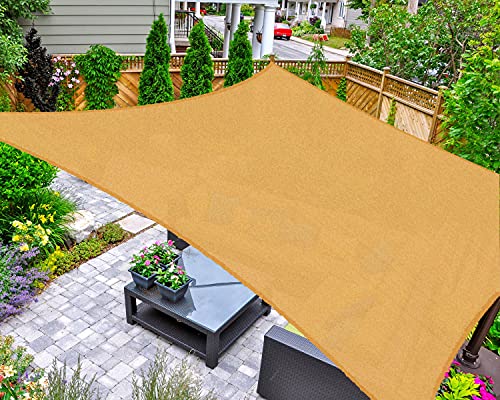
Asteroutdoor Sun Shade Sail Rectangle 10' x 13' UV Block Canopy for Patio Backyard Lawn Garden Outdoor Activities, Sand
Check price on Amazon
16'x20' Sun Shade Sail Curved Commercial Outdoor Shade Cover Dark Grey Rectangle Heavy Duty Permeable 185GSM UV Block Sunshade for Backyard Yard Deck Patio Garden Outdoor Activities and Facility
Check price on Amazon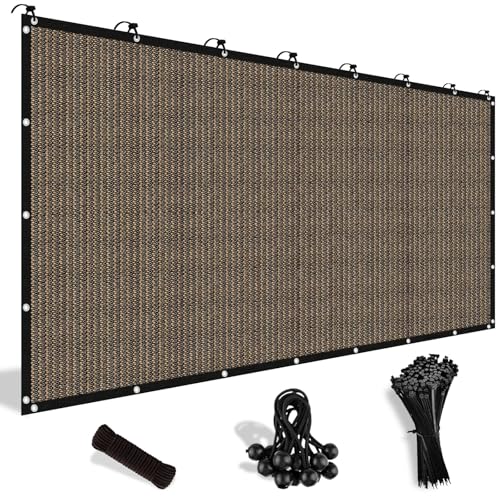
Shade&Beyond 90% Sun Shade Cloth with Grommets, 8' X 12' Pergola Shade Cover Canopy, Mesh Tarp Sun Screens for Patio, Outdoor, Garden, Backyard, Mocha
Check price on Amazon
Amagenix 16'X20' Sun Shade Sail Rectangle Curved Edge Sand | Breathable Sunshade, 95% UV Block, HDPE Fabric, Custom Size, Outdoor Shade Canopy for Patio, Garden, Backyard, Deck, Pergola
Check price on Amazon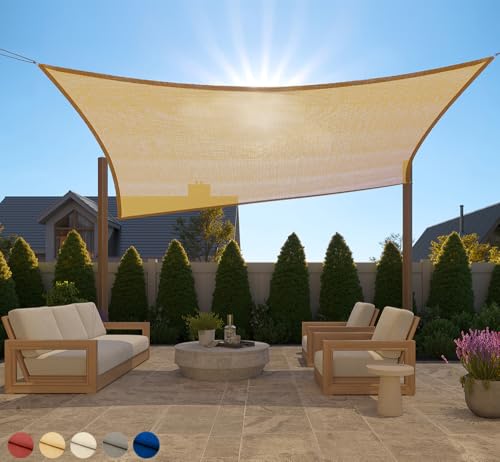
GORILLA GRIP Heavy Duty Sun Shade Sail for Outdoor Patio, 6x10 FT, Sand | UV Protection Fade Tear and Rust Resistant Rectangle Canopy, Curved Edges Blocks Sunlight, Breathable Cover, Lawn Garden
Check price on Amazon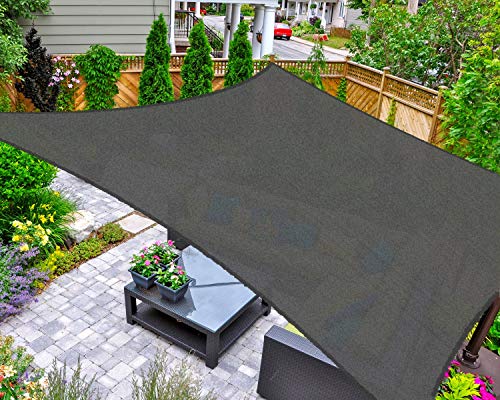
AsterOutdoor Sun Shade Sail Rectangle 10' x 13' UV Block Canopy for Patio Backyard Lawn Garden Outdoor Activities, Graphite
Check price on Amazon