Bar Dining Set Buying Guide: Height, Materials & Layout
A complete, research-friendly guide to choosing an outdoor bar dining set that fits your patio, matches your style, and holds up through every season.
Why this guide matters: A bar dining set changes how you use an outdoor space. It creates a casual gathering zone where guests can stand, lean, or sit at a comfortable height while drinks and small plates are shared. But the wrong height, material, or footprint can make a patio feel cramped or leave you with furniture that ages quickly. This guide walks through the key decisions step by step so you can buy with confidence.
What Is a Bar Dining Set?
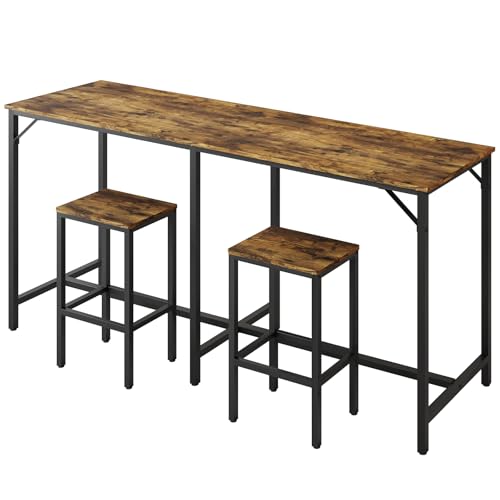
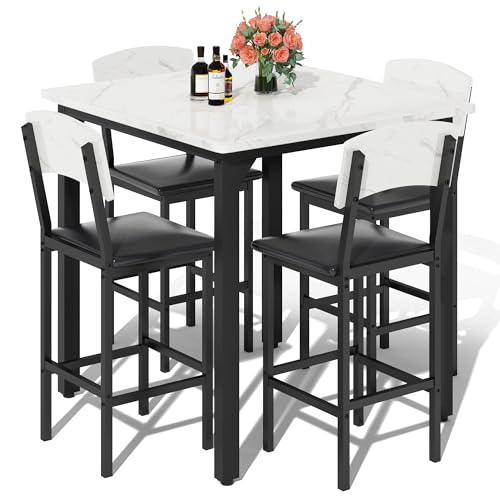
A bar dining set is a coordinated group of outdoor furniture built around a tall table paired with matching high chairs or stools. The defining feature is height: the table surface typically sits much higher than a standard dining table, allowing guests to sit at bar-style elevation or to stand and socialize comfortably. These sets are popular on patios, decks, balconies, and poolside areas because they combine dining function with a casual, lounge-like atmosphere.
Unlike a standard patio dining set, a bar dining set is designed for a different rhythm of use. It works well for appetizers, drinks, morning coffee, and conversation-heavy gatherings rather than full plated meals for a large group. If your outdoor space is limited, a compact bar table set can also double as a standing prep surface or a casual work spot. For a broader comparison of outdoor table formats, see our guide to the bar table set category and the wider range of high-top outdoor table and chair sets.
Most bar dining sets fall into one of two structural families: integrated sets where the table and seating are sold together as a matched unit, and modular setups where a bar-height table is paired with separate stools. Both approaches have merit, and the right choice depends on how permanent you want the arrangement to be and how much flexibility you need when rearranging the space.
Bar Height vs Counter Height: Getting the Proportions Right
Height is the single most important specification to get right. Outdoor bar furniture generally falls into two categories, and mixing them accidentally is one of the most common buying mistakes.
| Tier | Typical Table Height | Seat Height | Best For |
|---|---|---|---|
| Counter-height tier | Standard counter elevation | Slightly lower than bar seating | Everyday dining, smaller patios, mixed-age groups |
| Bar-height tier | Taller bar elevation | High bar stool height | Standing socializing, poolside, cocktail-style gatherings |
Counter-height sets feel closer to a traditional dining experience and are generally easier for children and older guests to use. Bar-height sets create a more energetic, lounge-like feel and pair naturally with tall patio bar stools. The key rule is consistency: the seat height must correspond to the table height so that knees clear the apron and elbows rest naturally on the surface.
Pro tip: Before committing, sit at the table in the showroom or test a similar setup. A difference of just a few inches in seat-to-table clearance can be the difference between comfortable and awkward. If you already own stools, measure them first and choose a table that matches their tier.
If your priority is evening warmth and ambiance rather than pure bar seating, a hybrid option like a bar-height outdoor table with fire pit combines the social height of a bar set with the draw of a central fire feature.
Seating Capacity and Layout Planning
Bar dining sets are available in a range of capacities, from compact two-person arrangements to larger configurations for six or more. The right capacity depends on how you entertain and how much floor area you can dedicate to the set.
Choosing the right number of seats
- Two-person sets are ideal for balconies, small patios, and couples who want a dedicated coffee or cocktail spot. They are the most space-efficient option and often fit against a wall or railing.
- Four-person sets are the most versatile middle ground. They support casual family meals, game nights, and small gatherings without dominating the patio. Many of the best-selling configurations fall into this tier.
- Six-person and larger sets suit homeowners who regularly host and have a generously sized deck or patio. Keep in mind that larger sets require clearance on all sides for chairs to pull out comfortably.
Layout matters as much as raw capacity. Round or square tables encourage conversation and work well in compact or angled spaces, while rectangular tables line up neatly against walls and railings. If your patio is narrow, consider a set with stools that tuck fully under the table, which preserves walking room when the set is not in use.
For an even more tailored fit, explore outdoor swivel bar stools that rotate in place, allowing guests to step in and out without sliding the entire stool backward. Swivel seating is especially useful on tight decks.
Materials and Weather Resistance
Outdoor furniture lives in a harsher environment than indoor furniture. Sun exposure, rain, temperature swings, and humidity all accelerate wear, so material choice directly affects how long a bar dining set stays presentable and structurally sound.
Metal frames
Powder-coated aluminum and steel are common choices for bar dining sets because they are relatively lightweight, rigid, and resistant to corrosion when properly finished. Powder coating in particular creates a durable, chip-resistant surface that holds color well. Wrought-iron designs offer a classic, weighty look and pair beautifully with traditional or cottage-style patios. If you lean toward that aesthetic, browse our guides on powder-coated wrought iron patio furniture and wrought-iron bistro table and two chairs sets.
Wicker, rattan, and resin
All-weather wicker and resin materials provide a warmer, more textured look and are naturally resistant to moisture and insects. They work especially well in coastal and bohemian settings. Wicker bar stools, such as outdoor wicker bar stools in a set of two, add visual softness that metal frames cannot match.
Wood and composite
Teak, acacia, and composite wood bring natural warmth and a tactile quality. Solid hardwoods require occasional sealing to maintain their finish, while composites demand less upkeep but can feel less authentic up close. Wood is a strong fit for rustic, farmhouse, and natural-themed patios.
Material tier guidance: Entry-level tier sets often use lighter-gauge metal or resin frames. Mid-range tier sets typically add thicker frames, better powder coating, and more refined joinery. Premium and luxury tier sets focus on heavier construction, marine-grade hardware, and fade-resistant fabrics that hold up over many seasons. The step up in durability between tiers is usually noticeable within the first few years of outdoor exposure.
Whichever material you choose, confirm that the hardware is rust-resistant and that any cushions use solution-dyed or UV-stabilized fabric. Replacement and upgrade cushions are widely available if you want to refresh the look later.
Style and Design Options
Bar dining sets span the full range of outdoor design aesthetics, and the right style should feel like a natural extension of your home and landscape.
- Modern and minimalist: Clean lines, slim metal frames, and neutral finishes. These sets recede visually and make small patios feel larger.
- Rustic and farmhouse: Wood tones, slatted surfaces, and sturdy proportions. These sets pair well with natural plantings and weathered textures.
- Coastal and nautical: White or light finishes, woven elements, and airy silhouettes. A natural match for poolside and seaside patios.
- Industrial: Mixed metal and wood, exposed hardware, and darker finishes. A strong choice for urban rooftops and loft-style outdoor spaces.
- Classic and traditional: Ornamental metalwork, curved profiles, and symmetrical layouts. Wrought-iron styles anchor this category.
Consistency with your existing patio style matters more than chasing trends. If you already have a porch furniture set or a patio dining set, choose a bar dining set that shares a finish family, material language, or color palette. Cohesion makes the whole outdoor room feel intentional.
Small details also carry weight. Cushion color, tabletop finish, and stool shape can shift a set from formal to relaxed in an instant. Cushion sets are easy to swap, so it is often worth choosing the frame you love first and customizing the soft goods second.
Comfort and Ergonomics
Bar-height seating can be excellent for short social sessions but less comfortable for long meals if the ergonomics are off. Pay attention to these comfort factors before you buy:
- Seat width and depth: Wider seats accommodate a broader range of body types. Deep seats feel lounge-like but can make it hard to reach the table.
- Backrest support: Backless stools encourage perching and are easy to tuck away, but stools with backrests are far more comfortable for extended sitting.
- Footrest presence: A footrest rail reduces leg fatigue at bar height. It is a small feature with a large impact on usability.
- Cushion quality: Thicker, denser foam cushions retain their shape longer. Look for quick-dry foam and removable, washable covers.
- Armrests: Armrests add comfort but increase the footprint of each stool. On tight patios, consider armless stools or swivel designs.
If you are choosing between a bar dining set and a lounge arrangement, think about how you actually spend time outside. For reading and long lounging sessions, a lounge chair or a chaise lounge may serve you better. For lively conversation and drinks, a bar dining set is hard to beat.
Measuring Your Space Before You Buy
Accurate measurements prevent the most common post-purchase regret: a set that is technically the right size but leaves no room to move. Follow this sequence:
- Measure the available footprint in both directions, noting doors, steps, and fixed features.
- Add clearance for chair pull-out. Chairs and stools need room behind them to be used comfortably.
- Allow walking space between the set and walls, railings, or grills.
- Check vertical clearance if the patio has an overhead structure, umbrella, or pergola.
- Plan the sun path. If the set will sit in direct afternoon sun, consider shade from a nearby patio umbrella or overhead structure.
If your space is genuinely tight, a three-piece bistro set with umbrella hole may be a smarter fit than a full bar dining set, while still preserving the intimate, high-top feel. For larger patios, an outdoor dining table and chairs for ten can anchor a dedicated entertaining zone, with a bar set placed nearby as a secondary gathering area.
Measurement tip: Use painter's tape to mark the table footprint and chair positions on your patio floor. Walk around the layout for a few minutes. This simple exercise reveals clearance problems before any furniture arrives.
Care and Maintenance
A well-chosen bar dining set will last for years if it is maintained consistently. Seasonal care also protects your investment and keeps the set looking its best.
- Clean regularly: Wipe surfaces with mild soap and water. Avoid abrasive cleaners on powder-coated or painted finishes.
- Protect cushions: Store cushions during heavy rain or off-season, and clean them according to the manufacturer's instructions.
- Inspect hardware: Tighten bolts and check for rust at joints at the start and end of each season.
- Use covers: Breathable furniture covers protect against dust, pollen, and UV damage when the set is not in use.
- Plan for winter: If you live in a region with hard winters, store or cover the set. Our winter storage guide walks through the details.
Wood surfaces benefit from periodic sealing, metal frames from touch-up paint on chips, and wicker from gentle brushing to remove debris from crevices. A little seasonal attention goes a long way.
Bar Dining Set Buying Checklist
Use this checklist to confirm you have covered the essentials before finalizing your choice.
- Measured the patio footprint and confirmed chair pull-out clearance.
- Decided between counter-height and bar-height tiers.
- Confirmed seating capacity matches how you entertain.
- Selected a material that suits your climate and maintenance preferences.
- Checked that the frame finish and cushion fabric are UV-stable and weather-resistant.
- Verified that the style aligns with your existing outdoor furniture and home exterior.
- Reviewed the warranty and return policy before ordering.
- Planned storage or covers for the off-season.
If you are still weighing different outdoor table formats, the bar table set overview and the high-top table and chairs guide both provide additional context. For broader outdoor planning, see our patio essentials checklist and small patio design guide.
Related Reading
Frequently Asked Questions
What is the difference between a bar dining set and a standard patio dining set?
A bar dining set is built around a taller table paired with high stools or chairs, creating a casual, elevated seating experience. A standard patio dining set uses a conventional table height with chairs designed for full meals. Bar sets suit drinks and conversation; standard sets suit plated dining.
How do I know which height to choose?
Counter-height sets feel closer to a traditional dining experience and are easier for children and older guests. Bar-height sets feel more social and energetic. Measure your space, test the seat-to-table clearance if possible, and choose the tier that matches how you plan to use the set most often.
Can a bar dining set stay outside all year?
Many modern sets are designed for year-round outdoor use, but longevity depends on the material and climate. Powder-coated aluminum and all-weather resin handle exposure well. Wood and some metal finishes benefit from covers or seasonal storage. Always check the manufacturer's care guidance.
How many people does a typical bar dining set seat?
Compact sets seat two, while the most versatile configurations seat four. Larger sets for six or more are available for spacious decks and patios. Choose based on how often you host and how much clearance your space allows around the table.
Are bar stools with backrests more comfortable?
Yes, for extended sitting. Backrests provide support that backless stools cannot, and a footrest rail further reduces fatigue at bar height. Backless stools are easier to tuck away and better for tight spaces where seating is used briefly.
Ready to Compare Bar Dining Sets?
Use the checklist and measurement steps above to narrow your options, then review the recommended products below to find the right set for your patio.
View Recommended Products