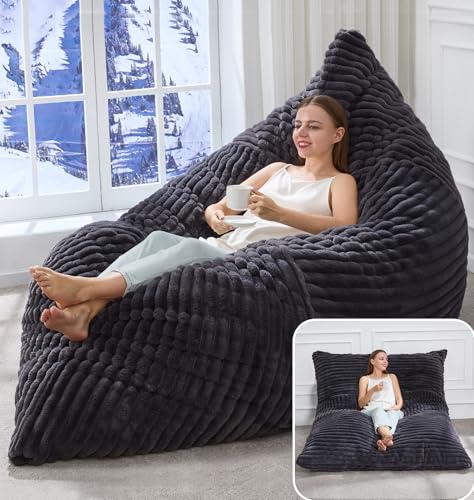
Bean Bag Lounger: The Ultimate Guide to Outdoor Relaxation
Everything you need to know before choosing an outdoor bean bag lounger — from fill materials and cover fabrics to size selection and weather resistance. Make a confident, informed decision for your patio, deck, or garden.
A bean bag lounger has quietly become one of the most versatile pieces of outdoor furniture available today. Unlike rigid patio chairs, a quality bean bag lounger conforms to your body, encourages genuine relaxation, and can be moved effortlessly from the deck to the lawn. But not all outdoor bean bags are built the same. The fill material, cover fabric, stitching quality, and size all determine whether your lounger lasts a single season or many years of daily use. This guide walks you through every decision point so you can choose with confidence.
Why Choose a Bean Bag Lounger for Outdoor Use?
Traditional patio furniture serves its purpose, but it rarely invites deep, unstructured lounging. A bean bag lounger fills that gap. Because the fill shifts with your body, it supports you in reading, napping, or simply watching the sky in a way that fixed-angle chairs cannot. For patios with limited space, a bean bag lounger is also remarkably efficient — it has no frame, no sharp edges, and can be tucked into a corner or stored indoors when not in use.
Outdoor-specific bean bag loungers are engineered differently from indoor versions. They use UV-stabilized covers, moisture-resistant fills, and reinforced seams to handle sun, rain, and temperature swings. If you are building out a relaxed seating zone, pairing a lounger with complementary pieces from our beach lounger collection or a beach lounger chair can create a cohesive, low-profile seating area that feels intentional rather than improvised.
Understanding Bean Bag Lounger Tiers
Outdoor bean bag loungers fall into three broad market tiers. Rather than focusing on numbers, it helps to understand what each tier delivers in terms of materials, durability, and long-term performance. Use this framework to align your expectations with what a given product actually offers.
Essential Tier
Typically uses standard polyester covers and polystyrene bead fill. Suitable for occasional use on covered patios or seasonal setups. Expect lighter UV resistance and simpler stitching. A solid starting point for casual, infrequent lounging.
Balanced Tier
Upgraded solution-dyed acrylic or heavy-duty polyester covers with better UV stability. Reinforced double-stitched seams and improved fill retention. A well-specified choice for regular outdoor use in mixed climates.
High-End Tier
Marine-grade fabrics, memory-foam blends or expanded polypropylene beads, and precision stitching. Designed for full sun exposure and daily use. The strongest long-term investment for serious outdoor living.
Fill Materials: The Heart of Your Lounger
The fill determines how your bean bag lounger feels, how it holds its shape, and how long it stays comfortable. There are three main categories worth understanding.
Polystyrene Beads (EPS)
The most common fill. Lightweight, responsive, and good at conforming to body shape. Entry-level and mid-range loungers typically use EPS beads. Over time, beads can compress, so look for models with refillable liners. EPS is not biodegradable, so consider a lounger with a replaceable fill system if sustainability matters to you.
Expanded Polypropylene (EPP)
A step up from EPS. EPP beads are more resilient, retain their shape longer, and resist compression better under repeated use. They are also lighter and more durable. Mid-range and high-end outdoor loungers frequently use EPP, and it is the preferred fill for anyone planning daily use.
Memory Foam and Shredded Foam Blends
Premium loungers sometimes combine beads with shredded memory foam for a softer, more structured feel. These blends feel less "beady" and more like a soft mattress. They are heavier and require more careful drying if they get wet, so they suit covered patios and sheltered decks best.
Cover Fabrics: Weather Resistance Matters Most
The cover is your lounger's first line of defense against sun, rain, and dirt. For outdoor use, the fabric choice is arguably more important than the fill. Here is how the main options compare.
| Fabric Type | Best For | Weather Resistance | Feel & Durability |
|---|---|---|---|
| Standard Polyester | Covered patios, seasonal use | Moderate — needs shelter from prolonged rain | Soft, lightweight, entry-level tier |
| Solution-Dyed Acrylic | Full sun, regular outdoor use | High — excellent UV and fade resistance | Premium hand feel, mid to high-end tier |
| Marine-Grade Vinyl or Olefin | Poolside, coastal, rainy climates | Very high — water-repellent and mold-resistant | Firm, easy to wipe clean, high-end tier |
| Heavy-Duty Polyester (600D+) | Busy family patios, decks | High — abrasion-resistant with water-repellent finish | Tough, structured, balanced tier |
Beyond the fabric itself, look for sealed or covered zippers, double-stitched seams, and a water-resistant inner liner. These details are what separate a lounger that survives a surprise rain shower from one that needs replacing after a single season. If your patio is fully exposed, prioritize solution-dyed acrylic or marine-grade covers. If you have a covered porch, a quality heavy-duty polyester is often more than sufficient.
Sizing and Shape: Matching the Lounger to Your Space
Bean bag loungers come in several distinct shapes, and the right one depends on how you plan to use it and how much room you have.
- Classic round lounger: The most versatile shape. Works for solo reading, casual seating, and small groups. Typically suits one adult comfortably with room to stretch.
- Teardrop or pear-shaped lounger: Offers more back support because the tapered end rises behind you. A strong choice if you want to sit upright for reading or conversation.
- Oversized lounger: Designed for two people or for one person who wants to fully recline. Requires more floor space and a clear area to avoid obstructing walkways.
- Lounger with backrest: A hybrid design that adds a structured back panel. Easier to get in and out of, and better for guests who find traditional bean bags too low.
Before committing, measure your intended spot. A large lounger needs roughly a square meter of clear floor space plus room to sink in when you sit. On tighter balconies, a compact teardrop lounger often works better than a full-size round model. If you are furnishing a larger relaxation zone, you might also consider a high beach chair for guests who prefer a more upright seat, or a beach chair set to complement the lounging area with portable seating.
Key Features to Check Before You Decide
Once you have narrowed the field by fill, cover, and size, these construction details will tell you which lounger is genuinely well made.
- Double-stitched seams: Single stitching is the most common failure point. Double stitching with reinforced stress points dramatically improves lifespan.
- Hidden or covered zippers: Exposed zippers snag, rust, and let water in. Covered zippers protect the fill and keep the look clean.
- Removable, washable cover: Outdoor covers collect pollen, dust, and spills. A cover that unzips for washing is a major practical advantage.
- Inner liner: A separate liner holds the beads and adds a second layer of water resistance. Liners also make refilling far easier.
- Anti-slip base: Some loungers include a textured or rubberized base panel to reduce sliding on smooth decking and tiles.
- UV-stabilized thread: Even the best fabric fails if the thread degrades in sunlight. UV-stabilized thread keeps seams intact season after season.
Caring for Your Outdoor Bean Bag Lounger
A bean bag lounger is low-maintenance, but a little care goes a long way. Brush off loose debris weekly and wipe the cover with a mild soap solution when needed. Avoid harsh chemical cleaners, which can strip UV coatings. During heavy rain season, bring the lounger under cover or use a waterproof cover — even weather-resistant fabrics perform best when not continuously soaked. If the fill compresses over time, top it up through the liner opening. And always let a damp lounger air-dry fully before storing it, ideally in a ventilated spot rather than a sealed container.
Frequently Asked Questions
Can a bean bag lounger stay outside all year?
It depends on the tier. High-end loungers with marine-grade covers and water-resistant liners can handle year-round outdoor exposure in most climates. Entry-level loungers should be brought in during heavy rain or winter. If you leave any lounger outside permanently, use a fitted waterproof cover.
How much fill does a bean bag lounger need?
A lounger should feel full enough to support you without bottoming out on the ground. Most manufacturers specify a fill volume, but the practical test is simple: sit down. If you feel the floor, it needs more fill. Refillable liners make this adjustment straightforward.
Are bean bag loungers comfortable for older adults?
Traditional low loungers can be difficult to get out of. If ease of use matters, choose a lounger with a backrest or a teardrop shape that sits slightly higher. These designs provide support while still offering the soft, conforming feel of a bean bag.
Do bean bag loungers attract mold?
Mold becomes a risk when moisture is trapped inside. Choose a lounger with a water-resistant liner, avoid storing it damp, and air it out regularly. Covers made from olefin or marine-grade vinyl are naturally more mold-resistant than standard polyester.
What size bean bag lounger fits one adult?
A classic round or teardrop lounger sized for a single adult typically measures around 90 to 110 centimeters across. Oversized models can comfortably seat two people or allow one person to fully recline. Measure your space before choosing to avoid a lounger that blocks walkways.
Ready to Choose Your Bean Bag Lounger?
Now that you understand fills, fabrics, and construction, you are equipped to evaluate any lounger on its real merits. Use the recommended products below to compare options that match your patio, your climate, and the way you like to relax.
Explore Recommended Options