Beach Chairs: The Complete Buying Guide
From low-slung sand loungers to high-backed seats with canopies, learn how to choose a beach chair that delivers comfort, portability, and long-term durability for every coastal outing.
START EXPLORINGWhy this guide matters: Beach chairs look similar at a glance, but frame material, seat height, canopy design, and weight capacity make a huge difference in real-world use. If you have ever carried an uncomfortable chair across hot sand or struggled to stand up from a low seat, you already know that the wrong model can ruin a beach day.
This guide walks you through the main beach chair categories, the features worth prioritizing, and how to match a chair to your body, your beach habits, and your storage space. By the end, you will know exactly which specifications to check before ordering online.
The Main Types of Beach Chairs
Beach chairs are generally grouped by seat height and structure. Each category suits a different set of users and beach conditions, so it helps to start with the type that matches your primary use case.
Low-Profile Beach Chairs
These sit close to the sand and are the lightest option in most product lines. They fold into a compact bundle and are easy to sling over a shoulder. Low chairs are ideal for casual sunbathing, reading, and short walks from the car to the water. The trade-off is that getting up requires more effort, so they are less suitable for anyone with knee or hip concerns.
High Beach Chairs
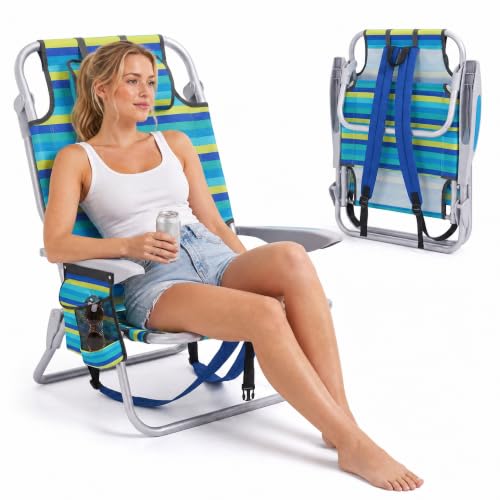
A high beach chair has a taller seat and a more upright backrest. The raised height makes entry and exit far easier, and the added support benefits older users or anyone who wants to sit for hours without strain. Many high models include armrests, cup holders, and a small storage pouch. They are heavier than low chairs, so consider how far you will carry them.
Beach Chairs With Canopies
A beach chair with canopy integrates a foldable shade hood over the head and shoulders. This is a practical choice for long beach days, families with children, and anyone who burns easily. Look for canopies that adjust through multiple angles and collapse flat against the chair back for transport. Some models pair the canopy with a cup holder and storage pocket for convenience.
Beach Loungers
A beach lounger reclines fully or partially, letting you lie back rather than sit upright. These suit sunbathers and nappers but tend to be bulkier and heavier. Check whether the backrest locks at multiple recline positions and whether the frame stays stable when fully reclined.
Wooden and Classic Beach Chairs
A wooden beach chair brings a traditional, resort-style look with slatted construction and a timeless silhouette. Wood models are usually heavier and need periodic care to resist moisture, but they offer a solid, stable feel that many people prefer for permanent porch or deck use as well as beach trips.
Frame Materials and Durability
Salt air, wet sand, and UV exposure are harsh on any frame. The material you choose determines how many seasons the chair will last.
- Powder-coated aluminum: Lightweight and highly resistant to corrosion, making it the preferred choice for coastal use. Look for reinforced joints and a rust-proof finish.
- High-grade steel: Heavier but very stable, with excellent weight capacity. Choose steel only when it carries a weather-resistant coating, since untreated steel rusts quickly near the ocean.
- Wood: Attractive and sturdy, but requires sealing and careful drying after each trip. Best for users who appreciate classic styling and do not mind maintenance.
- Resin and composite: Entry-level frames that resist water well but may flex under heavier loads. Suitable for occasional, light-duty use.
For hot climates and prolonged sun exposure, prioritize frames paired with breathable, fade-resistant fabric. Our guide to the best outdoor furniture for hot climates covers similar material considerations in more depth.
Comfort Features That Actually Matter
Small design details separate a chair you tolerate from one you look forward to using. Here are the features worth checking in the product listing before you order.
| Feature | Why It Matters | Best For |
|---|---|---|
| Seat height | Determines ease of standing up and overall back support | Seniors, taller users, long sessions |
| Weight capacity | Ensures frame stability and safety under load | Larger users, shared seating, heavy-duty use |
| Canopy adjustability | Controls shade angle as the sun moves | Full-day trips, families, sensitive skin |
| Cup holder placement | Keeps drinks stable and within reach in the sand | Relaxed lounging, social beach days |
| Storage pocket | Holds phone, keys, sunscreen, and sunglasses | Minimalist packers, solo trips |
| Folded size and carry strap | Affects how easily the chair travels | Long walks, small vehicles, apartment storage |
If you often carry drinks and snacks, models with a cup holder and storage combination reduce clutter and keep essentials out of the sand. For users who want both shade and convenience, a beach chair with cup holder and canopy consolidates the most requested features into one unit.
Portability, Weight, and Storage
Portability is the most underestimated factor in beach chair satisfaction. A chair that is comfortable at the shore but awkward to transport often ends up staying in the garage.
- Carry weight: Lightweight aluminum models are easiest on the shoulder during long walks. Heavier high chairs and loungers suit shorter carries or cart-assisted trips.
- Folded profile: Check the folded dimensions against your trunk, closet, or balcony storage space. Backpack-style carry straps distribute weight better than single handles.
- Setup speed: Tri-fold and bi-fold designs open in seconds; some recliners require more handling. If you move locations during the day, favor fast-deploy frames.
- Sand-friendly feet: Wide feet or ski-style bases prevent the legs from sinking, keeping the chair level on soft sand.
Users who want a reclined lounging position without a bulky frame should compare a dedicated beach lounger chair against a standard high chair, since the reclining mechanism adds weight but improves comfort for long sessions.
Matching the Chair to the User
There is no single best beach chair, only the best chair for a specific person and use pattern. The table below maps common user profiles to the tier and type that typically fits them.
| User Profile | Recommended Type | Quality Tier | Key Priorities |
|---|---|---|---|
| Occasional day-tripper | Low-profile folding chair | Entry-level | Light weight, compact fold, simple setup |
| Senior or limited mobility | High beach chair | Mid-range | Tall seat, armrests, stable frame |
| Family with children | Canopy chair | Mid-range | Adjustable shade, weight capacity, cup holder |
| Sunbather or napper | Reclining lounger | Premium | Multi-position recline, padded fabric |
| Frequent coastal visitor | Aluminum high chair | Premium | Rust-proof finish, reinforced joints |
| Resort or commercial use | Wood or heavy-duty frame | Commercial-grade | Solid build, classic styling, serviceability |
For users who need extra room, a big and tall beach chair with canopy combines a wider seat, higher weight capacity, and integrated shade. It is well-specified for its class and a solid choice for larger users who still want portability.
Canopy Chair vs. Beach Umbrella
Both approaches provide shade, but they solve the problem differently. A canopy chair keeps shade attached to your seat, so it moves with you and requires no separate setup. A beach umbrella shades a wider area and can cover a blanket or cooler, but needs a stand or sand anchor to stay upright. If wind is common at your beach, a beach umbrella stand improves stability. Many beachgoers combine a low chair with a shared umbrella for group trips, while solo visitors often prefer the all-in-one convenience of a canopy chair.
Pre-Purchase Checklist
Confirm these details before ordering
- Seat height suits your mobility and comfort needs
- Weight capacity exceeds the intended user's weight with margin
- Frame carries a rust-proof finish or corrosion-resistant coating
- Fabric is UV-resistant and quick-drying
- Folded dimensions fit your vehicle and storage space
- Carry strap or backpack harness is included
- Canopy, if present, adjusts and folds flat
- Cup holder and storage are positioned for easy reach
- Warranty covers frame and fabric separately
How to Choose With Confidence
Start by deciding how far you will carry the chair and how long you will sit in it. Short walks plus short sessions favor lightweight, entry-level folding chairs. Long sessions and older users favor mid-range high chairs with armrests and reinforced frames. Full-day sun exposure favors canopy models, while sunbathers should prioritize a reclining lounger with a locking backrest.
Next, verify the frame material and finish. Aluminum with a powder-coated, rust-proof finish is the safest bet for saltwater environments. Steel is acceptable when it carries a weather-resistant coating and stays dry between trips. Avoid untreated metal entirely if the chair will live near the coast.
Finally, read the fabric specification. Solution-dyed and UV-stabilized fabrics resist fading far better than basic polyester. Quick-drying mesh is comfortable in heat but offers less padding, while padded fabrics improve comfort at the expense of drying time. Weigh these trade-offs against how you actually use the chair, not against how it looks in a product photo.
If you are outfitting a full outdoor space rather than a single seat, our broader collection of beach chairs pairs well with shade and dining upgrades for a complete coastal setup.
Frequently Asked Questions
What type of beach chair is best for seniors or people with limited mobility?
A high beach chair with a taller seat height and supportive armrests is usually the easiest to get in and out of. Look for models with a rigid frame, wide seat, and a backrest that offers good lumbar support.
Is a beach chair with a canopy worth it?
Yes, if you plan to spend long hours in direct sun. A canopy chair provides on-demand shade without needing a separate umbrella, and it keeps your head and shoulders protected during reading or napping. Check that the canopy is adjustable and foldable for transport.
How do I choose between a low beach chair and a high beach chair?
Low beach chairs are lighter and easier to carry, which suits short walks and casual lounging. High beach chairs offer more back support, easier entry and exit, and often include cup holders and storage. Choose based on how far you carry the chair and how much support you need.
What frame material lasts longest in salt and sand?
Powder-coated aluminum and high-grade steel with a rust-proof finish are the most durable choices for coastal use. Aluminum is lighter and resists corrosion well, while reinforced steel offers extra stability for larger users.