The Complete Wood Beach Chair Buying Guide
Discover the timeless appeal, natural comfort, and lasting durability of a classic wood beach chair. Learn how to choose the right one for your seaside relaxation.
Why Choose a Wood Beach Chair? There is a reason the classic wooden beach chair has never gone out of style. Its natural materials, sturdy construction, and elegant silhouette offer a level of comfort and aesthetic appeal that modern plastic or metal chairs often struggle to match. Whether you're furnishing a vacation rental, upgrading your own coastal retreat, or simply looking for a durable seat for your backyard, a well-made wood beach chair is a long-term investment in comfort and style.
Understanding the Types of Wood Used
The performance and longevity of your beach chair depend heavily on the wood used. Not all wood is created equal, especially when exposed to sun, salt, and sand. Here are the most common materials you will encounter:
Teak: The Premium Standard
Teak is widely considered the gold standard for outdoor furniture. Its natural oils make it incredibly resistant to water, rot, and insects. A teak beach chair sits at the luxury tier of the market, offering exceptional durability and a beautiful golden-brown hue that weathers gracefully to a silvery-grey over time. It is heavy-duty and requires minimal maintenance, making it a worthwhile investment for frequent beachgoers.
Eucalyptus: The Balanced Choice
Eucalyptus is a dense, durable hardwood that is naturally resistant to moisture and decay. It is often used as a more accessible alternative to teak while still offering excellent performance. Eucalyptus chairs sit in the mid-range tier, providing a solid balance of durability, sustainability, and classic good looks. They can handle the elements well but may benefit from occasional sealing to maintain their finish.
Cedar and Cypress: The Aromatic Options
Cedar and cypress are naturally resistant to rot and insects, and they bring a pleasant, natural aroma. These woods are lighter than teak or eucalyptus, making the chairs easier to move around. They are often found in entry-level to mid-range chairs and are a solid choice for seasonal beach use. However, they may require more frequent oiling to prevent drying and cracking.
Acacia and Other Hardwoods
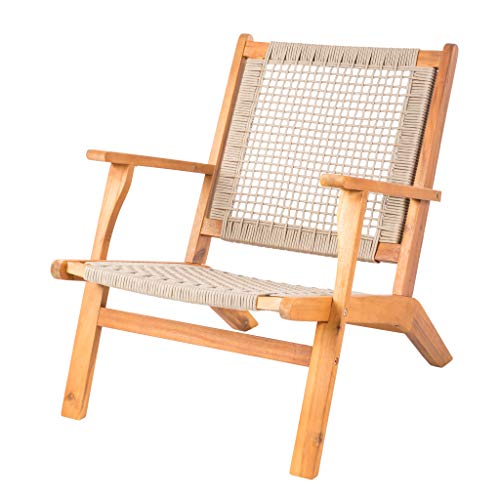
Acacia is a dense, sturdy wood that offers good weather resistance and a rich, varied grain pattern. It is frequently used in mid-tier beach chairs and folding models. While durable, it may need regular maintenance to protect against moisture. Other hardwoods like shorea or mahogany can also be found, each with its own characteristics, but they generally fall into the mid-range to premium categories.
Key Features to Consider Before Buying
When researching your ideal wood beach chair, keep these critical features in mind to ensure you get a product that matches your needs.
Frame Construction and Joinery
Look for chairs with reinforced joinery—such as mortise-and-tenon or dowel joints—rather than simple screws or staples. High-quality construction ensures the chair can withstand repeated use and the stress of shifting sand. Stainless steel or brass hardware is essential to prevent rust, which is a common failure point in cheaper chairs. A solid build is a hallmark of a professional-grade or high-end tier product.
Foldability and Portability
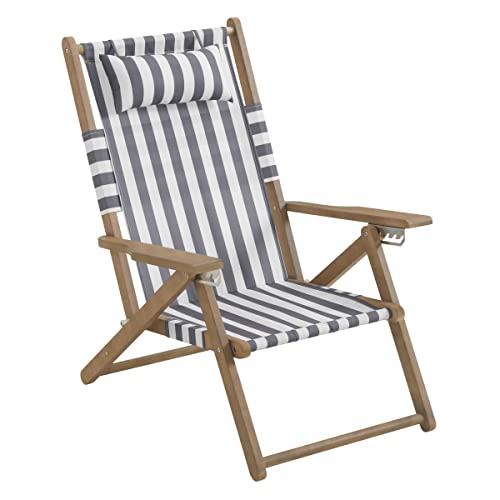
Most wood beach chairs are folding models for easy transport and storage. Check the weight and the folding mechanism. A well-designed beach chair should fold flat easily and lock securely when open. Lighter woods like cedar are easier to carry, while heavier hardwoods like teak offer more stability but are less portable. Consider your typical use—if you need to carry the chair long distances, a lighter model is preferable.
Comfort and Ergonomics
A great beach chair should support you for hours of relaxation. Look for a contoured seat and backrest. The angle of the backrest is crucial—a more reclined angle is better for lounging, while a more upright angle is better for reading or socializing. Some models offer adjustable backrests. Additionally, consider the seat height; a high beach chair is easier to get in and out of, which is a significant benefit for many users. The width of the seat also matters for larger users or those who want extra room.
Fabric and Upholstery
The fabric on a wood beach chair is often a heavy-duty canvas or acrylic. Look for solution-dyed acrylics, which are highly resistant to fading, mildew, and water. The fabric should be breathable and quick-drying. Check the stitching—reinforced seams are a sign of quality. Some chairs feature a mesh seat for maximum airflow and drainage.
Weight Capacity and Stability
Always check the manufacturer's weight capacity. A sturdy wood frame should offer a high capacity, often exceeding 250-300 lbs for premium models. Stability is also key; a wider base or chairs with feet designed to grip sand will prevent sinking and tipping. A heavy-duty, commercial-grade chair will have a more robust frame and higher weight rating.
Popular Styles of Wood Beach Chairs
Beyond the basic construction, you will find several distinct styles to match your aesthetic and functional preferences.
The Classic Folding Chair
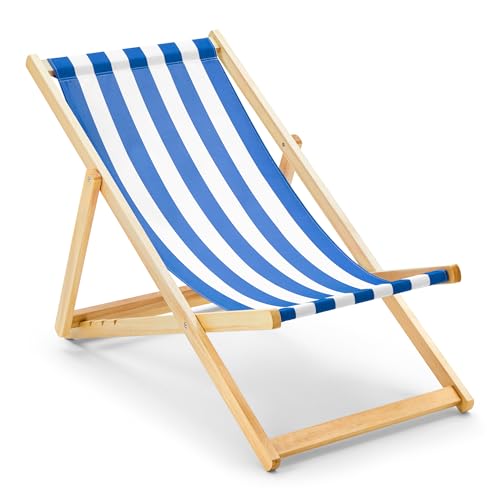
This is the most iconic style—a simple, slatted-back chair that folds flat. It is lightweight, easy to store, and often includes a carrying strap. Perfect for the traditional beach day, these chairs are typically available in a range of wood finishes.
The Lounger
A wood beach lounger is designed for full-body reclining. It may not fold as compactly, but it offers superior comfort for sunbathing or napping. These often feature an adjustable backrest and a longer seat.
The Canopy Chair
For those who need shade, a beach chair with canopy is a fantastic option. The wooden frame is designed to support a sunshade, providing personal protection from UV rays. These are ideal for long days on the sand or for families with young children.
The Deck Chair
Often associated with cruise ships and classic seaside resorts, the deck chair is a wooden frame with a fabric sling seat. It is lightweight, extremely comfortable, and very portable. While not always designed for rough sand, they are perfect for patios and calm beaches.
Caring for Your Wood Beach Chair
To ensure your wood beach chair lasts for many seasons, proper care is essential. Regular maintenance will protect your investment and keep the chair looking its best.
- Cleaning: After each beach trip, rinse the chair with fresh water to remove salt and sand. Use a mild soap solution and a soft brush for deeper cleaning. Avoid harsh chemicals that can strip natural oils.
- Drying: Always dry the chair thoroughly before folding and storing it. Moisture trapped in the joints can lead to rot or mold.
- Oiling: For woods like teak and cedar, applying a specialized wood oil once or twice a year will replenish natural oils, prevent drying and cracking, and maintain the wood's color. Always follow the manufacturer's recommendations.
- Storage: During the off-season or extended periods of non-use, store your chair in a dry, sheltered area. If storing outdoors, use a breathable furniture cover.
- Inspecting Hardware: Periodically check screws, bolts, and hinges for tightness and signs of rust. Tighten or replace as needed to maintain structural integrity.
The Benefits of Owning a Wood Beach Chair
Choosing a wooden beach chair is more than a practical decision; it's a lifestyle choice. Here are the compelling reasons to invest in one:
- Timeless Aesthetics: Wood brings a natural warmth and elegance to any setting, blending beautifully with coastal landscapes.
- Exceptional Durability: High-quality hardwoods can last for decades with proper care, making them a long-term investment.
- Sustainable Option: Many wood types, like teak and eucalyptus, are sourced from sustainably managed forests, making them an eco-conscious choice.
- Superior Comfort: Wood frames provide a solid, stable base that many users find more comfortable than flexible metal or plastic frames.
- Repairable: Unlike plastic chairs that may crack beyond repair, wooden chairs can often be sanded, refinished, or have individual parts replaced.
Wood Type Comparison at a Glance
Use this table to compare the most common woods used in beach chairs. Remember that these are relative tiers, and actual performance depends on the specific manufacturer and construction quality.
| Wood Type | Market Tier | Best For | Key Characteristics |
|---|---|---|---|
| Teak | Luxury / Flagship | Frequent beach use, long-term outdoor exposure | Natural oils, exceptional rot resistance, heavy-duty, weathers to silver-grey |
| Eucalyptus | Mid-range / Balanced | Regular beachgoers seeking durability and value | Dense hardwood, good moisture resistance, sustainable, requires occasional sealing |
| Cedar / Cypress | Entry-level to Mid-tier | Seasonal use, lighter weight, aromatic appeal | Natural rot resistance, lightweight, pleasant scent, needs regular oiling |
| Acacia | Mid-tier | Stylish folding chairs, casual beach use | Sturdy, attractive grain, good weather resistance, requires maintenance |
Frequently Asked Questions
How do I choose the right wood for a beach chair?
Consider your frequency of use and exposure. For frequent, year-round beach use, teak or eucalyptus are top-tier choices due to their superior durability and weather resistance. For lighter, seasonal use, cedar or acacia can be excellent mid-tier options that offer a good balance of performance and aesthetics.
Can a wood beach chair get wet?
Yes, but the type of wood matters. Teak, eucalyptus, and cedar are naturally water-resistant and can handle getting wet, especially if they are well-maintained. It is important to let the chair dry completely before folding it to prevent mildew and rot. Avoid leaving any wood chair submerged in water for extended periods.
How do I maintain a wooden beach chair?
Regular maintenance includes rinsing with fresh water after each use, cleaning with mild soap, and drying thoroughly. For untreated woods, apply a suitable wood oil annually to prevent drying and cracking. Store in a dry place during the off-season, and always check hardware for tightness and rust.
Are wood beach chairs heavy to carry?
It depends on the wood and the design. Teak chairs are heavier and may be better suited for locations with easy access. Lighter woods like cedar and cypress, or chairs with more streamlined folding designs, are easier to transport. Look for models with a carrying strap or backpack-style straps for added convenience.
What is the difference between a wood beach chair and a lounger?
A traditional beach chair is typically a folding chair with a slatted or fabric seat, designed for upright seating. A wood beach lounger chair is designed for full-body reclining, often with a longer seat and an adjustable backrest. Loungers are ideal for sunbathing and napping, while beach chairs are great for reading and socializing.
Can I use a wood beach chair on my patio?
Absolutely. Many people use wood beach chairs as patio furniture due to their classic look and comfort. They are perfect for creating a relaxed, coastal-inspired atmosphere on your deck or in your garden. Pair it with a beach chair with cup holder for added convenience.