Beach Lounger Chair: Complete Buying Guide & Top Picks
Everything you need to know before choosing a beach lounger chair — from frame materials and recline mechanisms to portability, weather resistance, and comfort features that matter most by the water.
Explore Top PicksIn This Guide
What Is a Beach Lounger Chair?
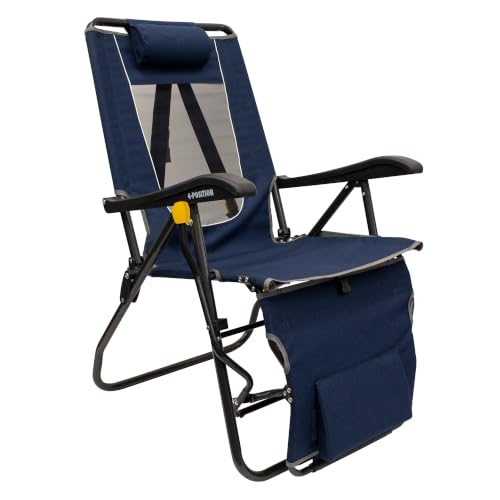
A beach lounger chair is a reclining outdoor seat designed specifically for relaxation on sand, pool decks, and patios. Unlike a standard folding beach chair, a lounger typically offers a longer seat length, a multi-position backrest that can lay nearly flat, and extended leg support. The best models combine a lightweight frame with quick-drying fabric and a carry mechanism so you can move it easily across the sand.
These chairs sit at the intersection of comfort and portability. They are built to handle sun exposure, salt air, and repeated folding without losing structural integrity. If you are outfitting a larger outdoor space, you may also want to compare a dedicated beach lounger style that prioritizes a flatter lying position, or explore a high beach chair if you prefer an elevated seat height for easier standing. For a simple sit-up option, a classic beach chair may be all you need.
Key Features to Evaluate Before You Choose
Because a beach lounger chair spends its life outdoors, the details separate a long-lasting investment from a frustrating purchase. Focus on these five areas:
- Recline range: Look for a backrest with at least four locking positions, including a fully flat setting. A smooth hinge is the difference between effortless adjustment and pinched fingers.
- Weight and folded footprint: A portable lounger should fold compactly and include a carry strap or backpack-style harness. Heavier frames with wheels are easier to drag but harder to lift.
- Fabric durability: Quick-drying, breathable mesh or solution-dyed synthetic fabric resists fading and mildew. Reinforced seams at the stress points extend usable life.
- Weight capacity and stability: A wider base and anti-slip feet prevent tipping on uneven sand. Check the stated load rating against your needs.
- Extra conveniences: Cup holders, storage pockets, a face-down reading cutout, or a built-in canopy can transform the experience. If you want shade, a beach chair with canopy is worth considering.
Pro Tip: If you frequently carry drinks or a phone to the beach, a beach chair with cup holder and storage keeps essentials off the sand and within reach.
Frame & Fabric Materials: What Holds Up Best
The frame and fabric determine how well a beach lounger chair handles sun, salt, and repeated folding.
- Powder-coated aluminum: The lightest and most rust-resistant option. Ideal for frequent transport and saltwater environments. Entry-level aluminum frames may flex more; premium and high-end tier models use thicker gauge tubing with reinforced joints.
- Steel: Heavy-duty and stable, often used in commercial-grade loungers. Requires a rust-proof finish and more careful maintenance in coastal settings.
- Wood (teak, eucalyptus, acacia): A classic look with solid build quality. Heavier and best for semi-permanent placement on a deck or patio. Solid wood loungers are often a long-term investment piece.
- Textilene and mesh: Breathable, quick-drying, and resistant to mildew. High-grade versions resist fading under sustained UV exposure.
- Solution-dyed acrylic: Premium fabric with excellent colorfastness. Usually found on luxury and top-tier loungers.
For a natural wood aesthetic that still folds for storage, a wood beach chair is a solid alternative. If you plan to spend long afternoons reading face-down, a beach chair with cup holder in armrest design often includes a headrest cutout that adds comfort.
Quality Tiers Explained
To compare beach lounger chairs without focusing on transient market figures, we use universal quality tiers. These descriptors reflect relative market position and build quality, not absolute amounts.
| Tier | Typical Characteristics | Best For |
|---|---|---|
| Entry-Level / Starter Tier | Basic aluminum or steel frame, 2–3 recline positions, standard mesh fabric, simple carry strap. | Occasional beach trips and light use. |
| Mid-Range / Balanced Tier | Thicker aluminum frame, 4–5 recline positions, quick-dry fabric with reinforced seams, padded armrests, cup holder. | Regular weekend beachgoers who want reliable comfort. |
| Premium / High-End Tier | Heavy-duty frame, multi-position flat recline, solution-dyed fabric, ergonomic headrest, backpack carry system, accessory pockets. | Frequent users and long beach days. |
| Luxury / Flagship Tier | Solid wood or precision-welded aluminum, premium cushioning, sun canopy, integrated storage, commercial-grade hardware. | Semi-permanent resort-style setups and design-focused spaces. |
Mid-range models typically offer smoother recline mechanisms and better fabric longevity than entry-level options, while premium tiers focus on ergonomics and portability refinements. Choosing the right tier depends on how often you will use the lounger and whether it will live outdoors year-round.
Beach Lounger Chair Feature Comparison
Use this quick reference to match a lounger style to your priorities. Each row represents a common configuration rather than a specific brand.
| Configuration | Recline Range | Portability | Weather Resistance | Best For |
|---|---|---|---|---|
| Lightweight folding lounger | 4 positions | Excellent (backpack strap) | Good | Travel and day trips |
| Canopy lounger | 3–4 positions | Good (side carry) | Good | Sun-sensitive users |
| Wooden reclining lounger | Multi-position | Low (heavy) | Excellent (treated wood) | Patio and deck placement |
| Heavy-duty aluminum lounger | 5+ positions, flat | Moderate | Excellent (rust-proof finish) | Frequent coastal use |
| Cushioned premium lounger | Adjustable backrest | Low to moderate | Good (removable cushion) | Poolside and resort-style patios |
If you need extra width for taller users, a big and tall beach chair with canopy offers a reinforced frame and extended seat depth. For pure sunbathing, a canopy-free configuration may be preferable.
Buying Tips & Pre-Purchase Checklist
Before you commit to a beach lounger chair, run through this practical checklist. It will help you avoid returns and mismatched expectations.
- Measure your transport space: Confirm the folded dimensions fit your vehicle trunk or storage closet.
- Test the recline mechanism mentally: Look for a locking hinge with a visible safety latch. Ratcheting systems are more precise than friction-based ones.
- Check the load rating: Choose a frame rated comfortably above your body weight for long-term stability.
- Consider wind: A canopy catches wind; ensure the frame includes sand anchors or a weighted base loop.
- Plan for storage: If the lounger stays outside, a breathable cover prevents moisture buildup and UV damage.
- Match the tier to frequency: Occasional use justifies an entry-level lounger; daily use warrants mid-range or premium construction for smoother mechanisms and better fabric life.
For patio-based relaxation rather than beach trips, a cushioned chaise lounge may suit your space better. If you are coordinating a full outdoor seating plan, browse beige patio furniture for a neutral palette that pairs well with most lounger designs.
Care & Maintenance for Longevity
A well-maintained beach lounger chair can last many seasons. The routine is simple:
- Rinse the frame and fabric with fresh water after every saltwater or sandy outing to prevent corrosion and grit buildup.
- Dry fully before folding. Trapped moisture is the leading cause of mildew on mesh and fabric.
- Lubricate metal hinges sparingly with a silicone-based product once per season.
- Inspect seams and rivets for fraying or loosening, and repair early to prevent larger failures.
- Store indoors or under a breathable cover during extended off-season periods.
Wooden loungers benefit from an annual application of outdoor-grade sealant to preserve the finish and resist moisture absorption.
Ready to Choose Your Beach Lounger?
Our curated selection below highlights beach lounger chairs across quality tiers, so you can match build quality and features to how you actually use your outdoor space.
See Recommended ModelsFrequently Asked Questions
What is the difference between a beach lounger chair and a beach chair?
A beach chair typically has a shorter seat and a more upright backrest, designed for sitting. A beach lounger chair is longer and reclines further — often nearly flat — to support lying down. Loungers usually include extended leg support and a wider recline range.
Which frame material is best for saltwater environments?
Powder-coated aluminum is the most rust-resistant choice for coastal use. Steel is durable but requires a robust rust-proof finish and more maintenance. Wood is stable but heavy and best suited to patio placement rather than repeated beach transport.
How many recline positions should I look for?
At least four locking positions, including a flat setting, is a good baseline. Mid-range and premium loungers often offer five or more positions with ratcheting mechanisms that adjust more precisely than simple friction hinges.
Do I need a canopy on my beach lounger chair?
Only if you want built-in shade. Canopies are convenient for sun-sensitive users but add weight and catch wind. If shade is essential, a beach chair with canopy or a separate beach umbrella stand is a practical alternative.
How do I prevent my beach lounger from tipping in soft sand?
Choose a model with a wider base and anti-slip feet. Some frames include sand-anchor loops or a weighted base. Distributing your weight toward the center of the seat also improves stability on uneven ground.
Can a beach lounger chair stay outside year-round?
Aluminum and treated-wood loungers with high-grade fabric can remain outdoors in mild climates, but a breathable cover is recommended to protect against UV fading and moisture. In freezing or storm-prone regions, indoor storage during the off-season preserves the frame and fabric.