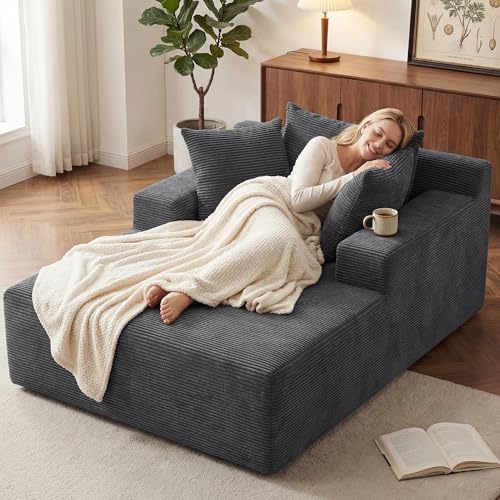
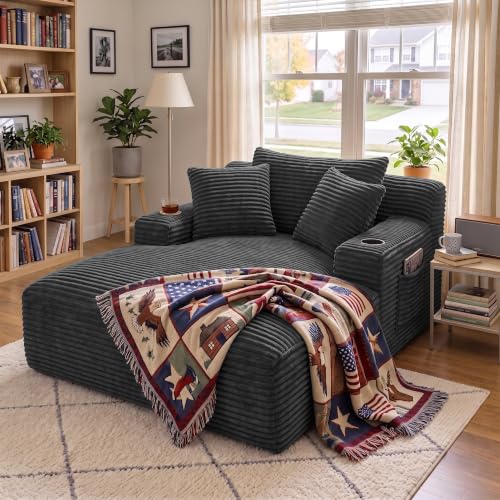
Bedroom Chaise Lounge: The Complete Buying & Design Guide
Transform an unused corner of your bedroom into a serene retreat. Learn how to choose the right chaise lounge for comfort, style, and long-term durability.
Why a chaise lounge belongs in your bedroom: A chaise lounge bridges the gap between functional seating and personal sanctuary. Unlike a bulky armchair or a full sofa, a chaise offers elongated support for reading, resting, or simply unwinding — while occupying a footprint that fits comfortably in most bedroom layouts. This guide walks you through every decision you need to make before bringing one home.
What Exactly Is a Bedroom Chaise Lounge?
A bedroom chaise lounge is an upholstered seating piece with an extended seat that supports the legs, typically featuring a single armrest and a backrest that may be one-sided or asymmetrical. Its defining characteristic is the elongated cushion — long enough for a person to recline with legs fully extended — which distinguishes it from a standard accent chair or loveseat.
Chaise lounges originated in 18th-century France as a daybed variant for aristocratic salons, and over centuries they evolved into the refined indoor seating we recognize today. In a bedroom context, the chaise serves three practical purposes:
- Dedicated relaxation zone: A spot to read, lounge, or enjoy a morning coffee without sitting on the bed.
- Visual anchor: A chaise adds architectural weight to an empty corner, filling negative space with purpose and elegance.
- Layered functionality: Many designs double as a place to drape clothing, rest a tray, or even provide occasional guest seating.
Unlike outdoor loungers built for sun exposure, bedroom chaises prioritize upholstery comfort, tactile fabrics, and refined silhouettes. If you are also considering multi-purpose seating for shared spaces, our broader collection of bar and outdoor seating options offers complementary ideas for versatile furniture placement.
Bedroom Chaise Lounge Styles: Finding Your Silhouette
The silhouette you choose shapes not only how the piece looks but also how you use it. Below are the four dominant styles found in contemporary bedrooms.
1. The Classic Chaise (One-Arm Design)
This is the most recognizable form: a single armrest on one side and an open edge on the other. The open side makes entry and exit easy, and the asymmetrical profile reads as deliberate and sculptural. Classic chaises suit traditional and transitional bedrooms, especially when upholstered in velvet or linen with rolled arms and turned legs.
2. The Double-Arm Chaise (Chaise Sofa)
Also called a chaise settee, this design adds armrests to both ends, giving it a more contained, sofa-like feel. It works best in larger bedrooms where the chaise sits perpendicular to the bed or along a window wall. Double-arm versions are ideal if you want the piece to feel like a genuine secondary seating area rather than a purely personal retreat.
3. The Reclining / Adjustable Chaise
Built with a hinged or ratcheted backrest, adjustable chaises let you shift between upright reading posture and a flatter lounging angle. They are the most functional option for bedrooms used for winding down, though the mechanical components add weight and typically place the piece in the mid-range to premium tier of construction.
4. The Slipper / Modern Chaise
Minimalist by design, slipper chaises feature clean lines, low backs, and tapered legs with no visible arms or a single subtle arm. They are the go-to choice for modern, minimalist, and Scandinavian-style bedrooms, where visual lightness matters as much as comfort.
Upholstery and Frame Materials: What Matters Most
A chaise lounge is a long-term purchase, so the materials underneath the fabric matter as much as the surface finish. Use the following guide to evaluate build quality without relying on marketing language.
Frame Construction
- Kiln-dried hardwood (maple, oak, beech): The gold standard. Kiln-drying removes moisture, reducing warping and squeaking over years of use. This is the mark of mid-range to high-end construction.
- Plywood and engineered wood: Common in entry-level to mid-tier pieces. Adequate for light use, but check for thick, multi-layer plywood rather than thin particleboard.
- Metal frames (steel or aluminum): Found in adjustable and reclining chaises. Look for powder-coated or rust-resistant finishes even on indoor models, as they extend service life.
Upholstery Fabrics
- Performance velvet: Soft, luxurious, and increasingly stain-resistant. Velvet chaises are a signature bedroom choice because the fabric absorbs light and adds warmth to the room.
- Linen and linen blends: Breathable and naturally textured. Best for well-ventilated bedrooms; blends with polyester improve wrinkle resistance.
- Bouclé: A tactile, looped fabric that has become a staple of modern bedroom design. Highly durable, but avoid it in homes with long-haired pets.
- Leather and faux leather: Easy to wipe clean and ages gracefully. Genuine leather sits in the premium to luxury tier; high-grade polyurethane performs well for those seeking a vegan alternative.
Filling and Cushion Support
High-resilience (HR) foam with a density rating of 2.0 lb/ft³ or above retains shape far better than low-density foam. Premium chaises often combine foam with a down or polyester fiber wrap for a softer initial feel while preserving support. Pocket-spring cushion cores are another sign of high-end tier construction and reduce the "sinking" that plagues entry-level pieces over time.
Sizing Your Bedroom Chaise Lounge
Getting the dimensions right is the single most important step before you commit. A chaise that is too long will block foot traffic; one that is too narrow will never feel comfortable. Use these reference measurements as a starting framework:
- Seat length: 55–70 inches (140–178 cm) is the usable range for an adult to recline with legs supported. Anything under 50 inches functions more like an oversized armchair.
- Seat width: 24–30 inches (61–76 cm) is standard; wider seats accommodate taller users or shared lounging.
- Seat height: 16–19 inches (41–48 cm) from floor to cushion top is comfortable for most adults.
- Overall footprint: Expect roughly 60–80 inches long and 26–34 inches deep for a classic one-arm chaise.
For placement, allow at least 24 inches of clearance on the open side for legroom and 30 inches for walkways. In a compact bedroom, position the chaise diagonally in a corner or along the foot of the bed with the open end facing the room. If your bedroom connects to an outdoor space and you are furnishing both, our guides on beach loungers and bean bag loungers cover complementary relaxation seating for adjacent areas.
Comparing Quality Tiers at a Glance
Rather than fixed figures, use the following tier framework to benchmark construction quality. Each tier reflects the relative position of a chaise within the market — not a specific figure — and remains stable as the category evolves.
| Tier | Typical Construction | Best For |
|---|---|---|
| Entry-level | Engineered wood frame, low-density foam, polyester upholstery | Guest rooms, occasional use, first-time buyers testing the format |
| Mid-range | Solid wood frame with plywood panels, HR foam cushions, performance fabric | Primary bedrooms with daily reading or lounging routines |
| Premium | Kiln-dried hardwood, pocket-spring core, velvet or top-grain leather | Design-focused bedrooms where the chaise is a statement piece |
| Luxury | Hand-finished hardwood, down-wrapped cushions, full-grain leather or bespoke fabric | Long-term investment pieces in high-end or custom interiors |
A mid-range model typically offers a noticeably smoother reclining mechanism and denser cushioning than an entry-level chaise, while premium and luxury tiers prioritize hand-finishing, material provenance, and longevity. For most bedrooms used daily, the mid-range tier delivers the strongest balance of comfort and durability.
Design and Placement: Making the Chaise Belong
A chaise lounge is a focal piece — treat its placement as an interior design decision, not an afterthought. Consider these strategies:
Anchor a corner
Place the chaise diagonally across an empty corner with the high back against the walls. This softens the room's geometry and creates an intimate reading nook.
Pair with a side table
A small round or drum table placed at the open end holds a lamp, book, or cup — turning the chaise into a self-contained zone of comfort.
Layer with textiles
A throw blanket draped over the back and a textured lumbar cushion add depth. Choose tones that echo your bedding for visual cohesion.
Mind the sightline
From the doorway, the chaise should read as a deliberate accent. Avoid blocking windows or positioning it where it competes with the bed as the primary focal point.
For bedrooms that open onto balconies or terraces, extend the design language outward with seating that mirrors the chaise's relaxed posture. Our beach lounger chair and beach chairs guides explore how to carry a cohesive lounging theme from indoors to out.
Caring for Your Bedroom Chaise Lounge
Indoor chaises need far less maintenance than outdoor furniture, but a few habits dramatically extend their lifespan:
- Vacuum upholstery weekly using a brush attachment to lift dust from fabric weave before it settles into the filling.
- Rotate and flip cushions every few months to distribute wear evenly, especially on foam-core seats.
- Treat spills immediately with a clean, dry cloth — blot, never rub — and follow the fabric manufacturer's cleaning code.
- Keep out of direct sun where possible; sustained UV exposure fades even performance fabrics over years.
- Tighten hardware annually on adjustable or reclining models to prevent wobble and joint stress.
Frequently Asked Questions
How do I know if a chaise lounge will fit my bedroom?
Measure the intended wall or corner, then subtract at least 24 inches for the open side and 30 inches for walking clearance. Use painter's tape on the floor to outline the chaise footprint before ordering — it is the fastest way to confirm the proportions work in your space.
Is a chaise lounge comfortable enough for daily use?
Yes, provided the cushion core is high-resilience foam or a pocket-spring design. Entry-level foam compresses over time with daily use, so if the chaise will be your primary reading spot, prioritize mid-range construction or above.
Should the chaise match the bed upholstery?
Not necessarily. Coordinating through color family or texture is more forgiving than exact matching. A velvet chaise in a complementary tone often looks more intentional than a piece that duplicates the headboard fabric exactly.
Can a chaise lounge replace a bedroom armchair?
It can, and often does. A chaise offers everything an armchair does plus leg support, making it more versatile for reading and resting. The trade-off is footprint — a chaise needs more length, so it suits rooms where a corner or wall span is available.
What is the best fabric for a bedroom chaise lounge?
Performance velvet is the most popular choice for its soft hand-feel and improving stain resistance. Linen blends suit breezy, natural interiors, while leather and faux leather offer the easiest maintenance. Choose based on how the room is used, not just how it looks.
Ready to Choose Your Bedroom Chaise Lounge?
Explore curated options that match the styles, materials, and quality tiers covered in this guide — then bring a touch of everyday luxury into your bedroom.
View Recommended Chaise Lounges