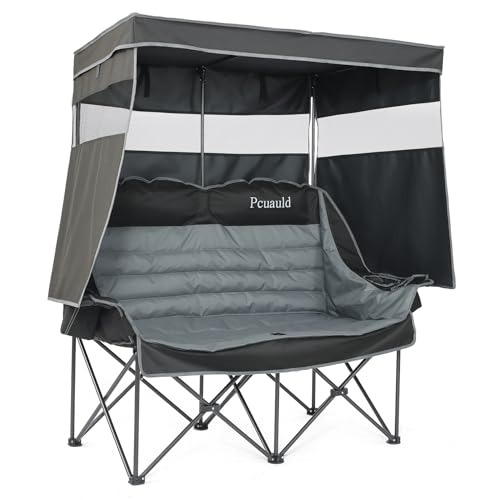
Big and Tall Beach Chair with Canopy: The Complete Buying Guide
Everything you need to choose a heavy-duty, extra-wide beach chair with built-in shade — frame strength, weight capacity, comfort features, and real-world usability explained.
Why this guide matters: Standard beach chairs are built for average frames and short sessions. A big and tall beach chair with canopy is engineered differently — wider seat pans, reinforced frames, higher backrests, and an integrated shade system that keeps the sun off without a separate umbrella. If you have been uncomfortable in a regular chair, this guide will help you identify the specifications that actually matter before you commit.
What Makes a Beach Chair "Big and Tall"?
The term is not regulated, so brands use it loosely. A genuine big and tall beach chair with canopy typically meets several of the following criteria:
- Wider seat pan — usually 22 to 26 inches across, compared with 17 to 20 inches on standard chairs.
- Higher backrest — often 30 inches or more, so taller users get proper shoulder and head support.
- Reinforced frame — thicker aluminum tubing or high-grade steel with cross-bracing at stress points.
- Higher weight capacity — heavy-duty models are rated from 300 pounds upward, with commercial-grade options reaching 500 pounds.
- Integrated canopy — a built-in shade hood that folds down for transport and adjusts for sun angle.
If a chair only has a wide seat but a standard frame and no canopy, it is not really in this category. The combination of size, structural reinforcement, and shade is what defines the product type.
Key Features to Evaluate Before You Buy
Frame Material & Build
Aluminum is the preferred choice for coastal use because it resists rust and keeps weight manageable. High-grade steel is stronger but heavier. Look for powder-coated finishes and rust-proof hardware on either material.
Weight Capacity Rating
Check the stated capacity and whether it reflects static or dynamic load. A 300-pound static rating is entry-level for this category; 350 to 400 pounds is mid-range; 450 to 500 pounds is top-tier and usually indicates reinforced joints.
Canopy Design
Adjustable canopies with tilt or swivel arms let you track the sun. Look for taut fabric that does not sag, a locking mechanism that holds position in wind, and enough clearance for a tall head.
Seat Height & Recline
Higher seat heights are easier on knees and hips. Multi-position recline backs add comfort for long sessions, but each recline point is a stress point — reinforced locking mechanisms matter on oversized chairs.
Portability
Big and tall chairs are heavier by nature. A carry strap, backpack straps, or a wheeled bag makes a real difference on sand. Folded dimensions matter as much as folded weight.
Fabric & Breathability
Solution-dyed fabrics resist fading and mildew. Mesh panels improve airflow on hot days. Check that the fabric is attached with reinforced stitching rather than thin binding at the seams.
Comparing Tiers: Entry-Level to Commercial-Grade
Because sizing and capacity vary widely, it helps to think in tiers rather than specific numbers. The table below describes what each tier typically delivers in this category.
| Tier | Best For | Typical Characteristics |
|---|---|---|
| Entry-Level | Occasional beachgoers who need extra width | Wider seat and basic canopy; aluminum frame; capacity around 300 pounds; simpler recline mechanism. |
| Mid-Range | Regular beach users who want durability | Reinforced aluminum frame; adjustable canopy; capacity 300–350 pounds; better fabric and stitching. |
| Premium | Tall or heavier users who spend long days outdoors | High backrest, extended seat depth, multi-position recline, tilt canopy, capacity 350–400 pounds, premium fabric. |
| Top-Tier / Professional-Grade | Frequent use, larger frames, demanding conditions | High-grade steel or thick-walled aluminum, cross-bracing, capacity 400–500 pounds, locking canopy, reinforced joints. |
| Commercial-Grade | Rental fleets, resorts, shared use | Built for repeated load cycles, heavy-duty hardware, replaceable parts, maximum capacity ratings. |
As a rule, mid-range models offer noticeably smoother recline mechanisms and better canopy hardware than entry-level chairs. The jump from premium to top-tier is mostly about structural reinforcement and long-term durability rather than added comfort features.
Canopy Considerations for Tall Users
The canopy is the feature that separates this product from a standard oversized chair, and it is also where tall users run into problems. A canopy that sits too low will press on the head or block forward vision. When evaluating a model, check:
- Canopy clearance height — measured from the seat, not the ground. Taller users need more headroom, especially when reclined.
- Adjustability range — a canopy that tilts forward and back is far more useful than a fixed hood.
- Wind resistance — beach canopies catch wind. Look for locking hinges and a frame that does not flex excessively.
- Shade coverage — most canopies shade the head and torso. If you need full-body shade, consider pairing the chair with a separate beach umbrella and stand.
If shade coverage is your top priority, it is worth comparing a canopy chair against a dedicated umbrella setup. Our guide to beach umbrella stands explains how to anchor shade securely in sand, and the beach chair with canopy overview covers the broader category for average-sized users.
Comfort and Support for Larger Frames
Width alone does not equal comfort. A well-designed big and tall beach chair with canopy distributes weight across the frame rather than concentrating it at the hips and shoulders. Key comfort points:
- Seat depth — too shallow and the chair cuts into the thighs; too deep and the backrest loses support. Extended depth suits taller users.
- Armrest design — wider armrests with cup holders add utility, but they must be reinforced where they meet the frame.
- Backrest angle — a slight recline is more comfortable for long sessions than an upright position, provided the locking mechanism is strong.
- Breathable fabric — mesh or ventilated panels reduce heat buildup, which matters on hot sand.
If you prefer a lounging posture over an upright seat, a beach lounger chair may suit you better than a traditional folding chair, though loungers with canopies are less common. For users who want the tallest possible back support, our high beach chair guide covers elevated seat heights and their trade-offs.
Durability in Coastal Conditions
Salt air, sand, and UV exposure are hard on any outdoor product. A big and tall chair carries more load, so its hardware is under more stress. Prioritize:
- Rust-proof hardware — stainless or coated rivets and bolts, not bare steel.
- Reinforced joints — welded or double-riveted connections at the seat and backrest hinges.
- UV-resistant fabric — solution-dyed fabrics hold color and strength longer than surface-dyed alternatives.
- Powder-coated frame — a chip-resistant coating protects aluminum or steel from salt corrosion.
A long-term investment mindset pays off here: top-tier frames with reinforced joints typically outlast entry-level chairs by several seasons of regular use. Rinsing the chair with fresh water after beach trips and drying it fully before storage is the single most effective maintenance habit.
Portability: Moving a Heavier Chair
Oversized chairs are heavier, and that weight matters most on soft sand and long walks from the parking area. Consider:
- Carry straps vs. backpack straps — backpack straps distribute weight across both shoulders and are easier on long walks.
- Folded dimensions — check that the folded chair fits in your vehicle and storage space.
- Wheeled bags — some premium models include or accept a wheeled carry bag, which is a major convenience on sand.
- Total weight — a heavier chair is not a problem if you have a short walk; it is a problem if you do not.
How to Choose: A Practical Checklist
Use this checklist to narrow your options before comparing specific models:
- Confirm the stated weight capacity meets your needs with margin to spare.
- Check backrest height and canopy clearance against your own height.
- Verify the frame material and hardware are rust-resistant.
- Look for an adjustable, locking canopy rather than a fixed hood.
- Confirm the recline mechanism has reinforced locking points.
- Decide whether carry straps, backpack straps, or a wheeled bag suit your routine.
- Check folded dimensions against your vehicle and storage space.
If you are still deciding between a canopy chair and a separate shade solution, the beach chairs category overview and the beach chair with cup holder and canopy guide can help you compare configurations side by side. For a broader look at beach seating, the beach lounger guide covers reclining options.
Frequently Asked Questions
What weight capacity should a big and tall beach chair with canopy support?
A genuine big and tall model should support at least 300 pounds, while heavy-duty and commercial-grade options often rate 350 to 500 pounds. Always check the stated capacity and the frame material before relying on it.
Are canopy beach chairs suitable for tall users?
Yes, provided the backrest is tall enough and the canopy clears the head. Look for a high backrest, an extended seat depth, and an adjustable canopy that can be raised for taller users.
How much shade does a beach chair canopy provide?
Most canopies provide spot shade for the head and upper body. Larger canopy models with adjustable arms offer broader coverage, and some can be tilted to follow the sun throughout the day.
What frame materials are best for oversized beach chairs?
Aluminum is lightweight and rust-resistant, making it ideal for portability. High-grade steel is stronger but heavier. Powder-coated finishes and rust-proof hardware extend the life of either material in coastal conditions.
Can a big and tall beach chair with canopy fold for transport?
Most models fold flat, but oversized chairs are naturally heavier. Look for a carry strap, backpack straps, or a wheeled carry bag if you need to move it across sand or long distances.
Ready to Compare Big and Tall Beach Chairs with Canopy?
Review our recommended options below, filtered for heavy-duty construction, extra-wide seating, and integrated shade.
Explore Recommended Options