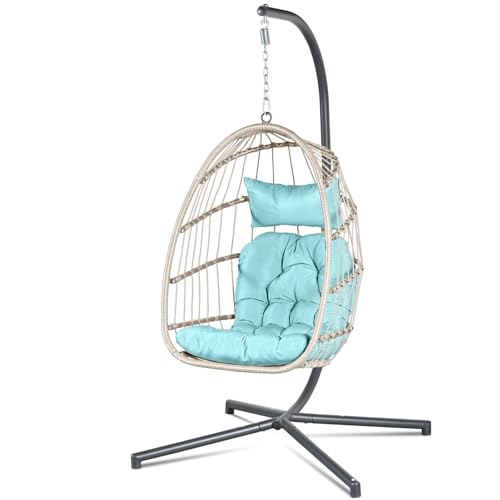
Egg Swing Chair Buying Guide: Hanging Seats for Patio & Indoor Comfort
Everything you need to know before choosing an egg swing chair — frame types, materials, stand options, safety, and comfort factors explained for confident buyers.
START READINGWhy this guide matters: An egg swing chair is one of the few outdoor pieces that doubles as a statement feature and a genuine relaxation spot. But the category is broad — single and double seats, stand-included sets, seat-only frames, and indoor versus outdoor builds all behave very differently. This guide walks you through the decisions that actually affect comfort, safety, and long-term durability so you can choose with confidence.
What Is an Egg Swing Chair?
An egg swing chair is a cocoon-shaped hanging seat suspended from a freestanding stand or a ceiling mount. The shell wraps around the sitter on three sides, creating a sense of enclosure that many people find calming. The suspension point allows a gentle rocking motion, which is why the category is often grouped with hammocks and hanging lounge seats rather than conventional patio chairs.
The design has roots in mid-century furniture, but the modern outdoor version uses weather-resistant materials and reinforced frames to handle sun, rain, and temperature swings. Most buyers today encounter three broad formats: single egg swings, double egg chairs for two occupants, and seat-only models that require a separate stand or ceiling hardware.
If you are still mapping out your overall outdoor seating plan, it helps to compare the egg swing against other hanging and lounging options. Our egg chairs overview covers the stationary shell chair side of the family, while the egg swing chair guide and the egg chair with stand page go deeper into stand-included configurations.
Key takeaway: The defining feature of an egg swing is the combination of a shell seat and a suspension point. If the seat is stationary, it is an egg chair; if it hangs and rocks, it is an egg swing.
Types and Configurations
Configuration is the first decision because it determines the footprint, the stand requirements, and how many people can use the seat at once. The table below summarizes the main formats buyers encounter.
| Configuration | Best For | Notes |
|---|---|---|
| Single egg swing with stand | Solo reading nooks, balconies, compact patios | Most common complete set; stand included simplifies setup |
| Double egg chair with stand | Couples, families, shared lounging | Wider base and reinforced frame required |
| Seat-only egg swing | Covered porches with ceiling joists | Requires ceiling mount or separate stand; verify hardware |
| Indoor egg chair | Bedrooms, sunrooms, reading corners | Lighter fabrics and frames; not built for rain |
The double egg chair format is worth considering if two people will regularly share the seat, but it demands a larger clearance zone and a sturdier base. Single models remain the most versatile for apartments and smaller decks. If you prefer a fixed seat, the outdoor egg chair and indoor egg chair pages cover the non-hanging versions.
Frame and Stand Construction
The frame is the structural backbone of any hanging seat, and it is the part most likely to fail if quality is compromised. Two elements matter: the shell frame that holds the seat, and the stand or mounting hardware that carries the load.
Shell frame materials
- Powder-coated steel: Common in entry-level and mid-range models. Durable and rigid, but chips in the coating can lead to rust if left untreated.
- Aluminum: Lighter and naturally rust-resistant. Often found in premium outdoor models where portability and corrosion resistance matter.
- Wicker over metal: A decorative wrap over a structural frame. The underlying metal determines strength; the wicker affects appearance and weather exposure.
- Rattan-style synthetic weave: UV-stabilized resin weave over a metal frame. Well-suited to outdoor use when the weave is dense and tightly finished.
Stand types
Freestanding stands usually come in two shapes: a curved C-shape base and a four-legged or X-frame base. The C-shape is compact and visually lighter, but it must be positioned on level ground to avoid tipping. Four-legged bases spread the load more widely and tend to feel more stable on uneven surfaces. Whichever shape you choose, confirm that the stand is rated for the same load as the seat.
Buyer tip: A heavy-duty stand with a wide base is not overkill — it is the single most effective safeguard against tipping. If a listing does not state the stand's load rating, treat that as a red flag rather than a minor omission.
Seat Materials and Cushions
The seat surface and cushion determine how the chair feels and how well it survives the elements. Outdoor egg swings typically use solution-dyed acrylic or polyester cushions, which resist fading and moisture better than standard upholstery fabrics. Indoor models can use softer fabrics, velvet, or leather because they are not exposed to rain and UV.
Cushion thickness affects comfort more than most buyers expect. A thin pad can feel firm after a short sitting session, while a thicker, high-resilience foam holds its shape longer. Removable, washable covers are a practical advantage, especially for outdoor use where pollen and dust accumulate.
For a broader look at cushion construction and replacement options, our replacement cushions guide explains the fill types and fabric ratings that apply across outdoor seating categories.
Material quick reference
- Solution-dyed acrylic: Strong UV resistance, good for sunny patios.
- Polyester: Widely used, decent weather resistance, generally more supple.
- Olefin: Moisture-resistant and quick-drying, common in outdoor cushions.
- Cotton blends: Comfortable but best reserved for covered or indoor use.
Safety and Weight Capacity
Hanging seats carry a different risk profile than stationary furniture because the load is concentrated at the suspension point. Three checks matter most:
- Weight rating: Every egg swing should state a maximum load. Never exceed it, and account for the cushion and any accessories you add.
- Hardware integrity: Chains, carabiners, and mounting plates should be rated for the load and inspected periodically for wear.
- Ground conditions: Stands need a level, solid surface. Soft ground, slopes, or loose gravel increase the risk of tipping.
For ceiling-mounted seats, the mounting point must be anchored into structural framing, not just drywall or siding. If you are unsure about the structure, a professional installation is the safer route. The delivery and assembly guide covers what to expect when a stand-included set arrives and how to verify the setup before first use.
Safety note: Children should always be supervised when using a hanging seat, and the seat should be checked for loose hardware after storms or extended use.
Comfort and Ergonomics
Comfort in an egg swing comes from three interacting factors: the recline angle of the shell, the cushion support, and the smoothness of the swing motion. A shell that reclines too far back can make it hard to get out, while a very upright shell may feel stiff for long reading sessions.
The suspension hardware also affects how the seat moves. A single-point suspension produces a gentle, hammock-like sway, while multi-point or stabilized suspensions feel more controlled. If you prefer a calmer seat, look for models that describe a balanced or stabilized hang.
Ergonomic principles from other outdoor seating categories apply here too. Our ergonomic lounge chair guide explains how seat depth and back angle influence comfort, and those same ideas translate directly to hanging seats.
Indoor vs. Outdoor Placement
The same egg swing design is not equally suited to every location. Outdoor models use weather-resistant coatings, UV-stabilized weave, and quick-drying cushions. Indoor models prioritize softness and style, and they generally should not be left exposed to rain or direct sun for long periods.
Outdoor placement
- Place on a patio slab, deck, or other level hard surface.
- Keep clearance on all sides so the seat can swing without hitting walls or furniture.
- Consider a covered porch or pergola for extra protection from direct rain.
- Anchor or weight the stand on windy sites if the manufacturer provides that option.
Indoor placement
- Check floor protection — a felt pad under the stand prevents scratches.
- Confirm ceiling height if you plan to use a ceiling mount.
- Keep the seat away from heat sources and direct radiator exposure.
Sizing and Clearance Planning
Egg swings look compact in photos but need more room than buyers expect once the stand and swing arc are accounted for. As a rule of thumb, plan for the stand footprint plus at least two feet of clearance on every side of the swing path.
Measure the intended spot before ordering, and compare it against the assembled dimensions — not the packaged dimensions. For small balconies, a single stand-included model is usually the safest fit. For larger patios, a double egg chair can serve as a focal point alongside a dining or lounge zone.
If your space is tight, our small patio ideas guide covers layout strategies for compact outdoor areas, and the deep seating guide helps you compare the egg swing's footprint against sectional and sofa alternatives.
Care and Maintenance
Routine care extends the life of any hanging seat, and most of it takes only a few minutes per season.
- Clean the frame: Wipe down powder-coated and aluminum frames with mild soap and water; touch up chips promptly to prevent rust.
- Brush the weave: Use a soft brush to remove dust and pollen from rattan-style weave.
- Refresh cushions: Spot-clean covers according to the manufacturer's instructions, and store cushions during off-season or heavy rain if they are not quick-drying.
- Inspect hardware: Check chains, carabiners, and mounting plates for wear at the start of each season.
- Cover when idle: A fitted cover protects the seat during long periods of non-use.
For a deeper seasonal routine, see our weatherproofing guide and the outdoor care hub.
Tier Comparison: What Changes Across the Market
Egg swings are sold across a wide quality spectrum. Rather than focusing on numbers, it helps to understand what tends to change as you move up the tiers. The table below uses a universal tier framework so you can compare models on substance rather than labels.
| Tier | Typical Build | Best For |
|---|---|---|
| Entry-level | Powder-coated steel frame, basic polyester cushion, simple stand | Occasional use, covered porches, first-time buyers |
| Mid-range | Reinforced steel or aluminum frame, denser cushion foam, more stable stand base | Regular use, sunny patios, households with mixed users |
| Premium | Aluminum frame, UV-stabilized weave, solution-dyed cushions, heavy-duty stand | Full-season outdoor use, design-forward spaces |
| Luxury / top-tier | High-grade materials, precision suspension, refined finish, comprehensive warranty | Statement seating, long-term investment, premium patios |
Higher tiers generally deliver smoother suspension, better cushion retention, and more consistent weather resistance. Entry-level models can still be a solid choice for covered or indoor use where the seat is not exposed to full sun and rain.
What to Check Before Buying
Before you commit, run through this checklist. It covers the details that most often cause buyer's remorse in the hanging-seat category.
- Stand included or not: Confirm whether the listing price covers the stand, or whether it is seat-only.
- Weight rating: Check the stated capacity and make sure it suits the intended users.
- Assembled dimensions: Compare against your available space, including swing clearance.
- Weather rating: Confirm whether the model is intended for full outdoor exposure or covered use only.
- Cushion materials: Look for solution-dyed or quick-drying fabrics for outdoor placement.
- Hardware quality: Check reviews for hardware durability and any reports of wobble.
- Warranty: Review what is covered — frame, fabric, and hardware are often treated separately.
If you are assembling a full outdoor setup, the patio essentials checklist helps you sequence purchases so the egg swing fits naturally into your overall plan. The egg swing chair with stand guide focuses specifically on complete sets and what to verify before ordering.
Ready to Choose Your Egg Swing?
Browse the curated selection below to compare models by configuration, frame type, and material — then check availability on Amazon.
View Recommended Egg SwingsFrequently Asked Questions
What is the difference between an egg swing and an egg chair?
An egg swing is a hanging seat suspended from a stand or ceiling mount, designed to move gently back and forth. An egg chair may be stationary or hanging, but the term often refers to the shell-shaped seat itself. Egg swing chairs combine the two: a cocoon-shaped seat suspended for a rocking motion.
Do egg swing chairs come with a stand?
Many egg swing chairs are sold as complete sets with a matching stand, which is the easiest and safest option for most buyers. Some models are seat-only and require a separate stand or a ceiling mounting kit. Always confirm whether the stand is included before ordering.
Can an egg swing be used indoors?
Yes. Indoor egg chair models are typically upholstered in fabric or leather and use lighter frames, while outdoor models use weather-resistant wicker, powder-coated steel, and solution-dyed cushions. Choose the version matched to your placement to avoid premature wear.
How much weight can an egg swing hold?
Capacity varies by model and frame design. Single egg swings commonly support one adult, while double egg chairs are built with reinforced frames and wider bases. Always check the manufacturer's stated weight rating and never exceed it, especially for suspended use.
Where should I place an egg swing with a stand?
Place it on a level, solid surface such as a patio slab, deck, or reinforced floor. Leave clearance on all sides so the seat can swing freely without striking walls or furniture, and keep the stand away from slopes or soft ground that could cause tipping.