Egg Swing Chair with Stand: The Complete Buying Guide
Everything you need to know before choosing a freestanding hanging egg chair for your patio, deck, or garden. Frame types, cushion materials, safety features, and expert recommendations.
Why an egg swing chair with stand? Few outdoor furniture pieces combine comfort, style, and relaxation as effortlessly as an egg swing chair. Unlike ceiling-mounted versions, a freestanding egg swing chair with stand gives you complete placement freedom — no structural modifications, no drilling, no worrying about load-bearing beams. Whether you have a compact balcony or a sprawling backyard, a stand-mounted egg swing chair transforms any corner into a personal retreat. This guide walks you through every consideration so you can choose with confidence.
What Exactly Is an Egg Swing Chair with Stand?
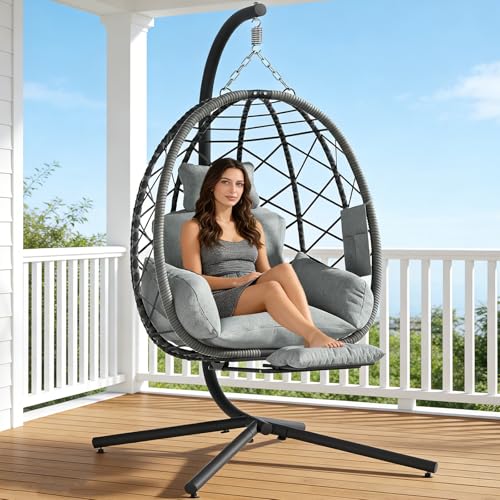
An egg swing chair with stand is a complete relaxation package: a cocoon-shaped seat suspended from a sturdy freestanding metal frame. The "egg" shape — a rounded, enveloping basket — cradles you in comfort while the stand provides stable support without needing ceiling mounts or tree branches. The stand typically features a wide base and a curved or straight arm that holds the chair via a chain or spring mechanism.
This configuration is especially practical for renters, apartment dwellers with balconies, and anyone who wants the freedom to reposition their seating throughout the season. You can move it from a sunny spot to a shaded corner without any tools. For those who prefer a fixed overhead mount, a traditional egg chair outdoor setup might suit better, but the stand version remains the most versatile choice for most households.
Key Components to Evaluate Before Buying
Understanding what makes a quality egg swing chair with stand helps you compare options intelligently. Here are the four critical components:
1. The Stand Frame
The stand is the foundation of safety and stability. Look for powder-coated steel or aluminum construction with a wide, weighted base. Heavy-duty stands often include anti-slip feet and a reinforced connection point where the chair attaches. Entry-level stands may use thinner tubing, while premium and commercial-grade models feature thicker gauge steel and welded joints for superior rigidity. A stable stand should show zero wobble when the chair is in motion.
2. The Swing Mechanism
How the chair connects to the stand matters for both safety and comfort. Options include heavy-duty chains, steel cables, or spring-loaded hooks. Chains offer a classic look and easy adjustability, while springs provide a gentler, bouncier motion. High-end models often include a swivel mechanism at the attachment point, letting you rotate a full 360 degrees — a feature worth prioritizing if you enjoy changing your view.
3. The Egg Chair Shell
The shell — the basket itself — comes in several materials. Resin wicker and polyethylene rattan are popular for their weather resistance and natural look. Fabric shells (often polyester or acrylic) offer a softer, more contemporary aesthetic but require more care. Metal shells with powder coating provide a sleek, modern profile. Each material has trade-offs in durability, maintenance, and style, which we cover in detail below.
4. Cushions and Upholstery
Comfort lives in the cushion. Look for high-density foam wrapped in solution-dyed acrylic or polyester fabric with UV resistance and water repellency. Removable, machine-washable covers are a major convenience. Some models include a headrest pillow and lumbar support; others have full-body cushioning. If you plan to use your chair frequently, invest in a model with thicker, denser foam that resists flattening over time. For broader seating comfort across your patio, explore our guide to deep seating options.
Stand Frame Materials: Steel vs. Aluminum vs. Resin
The stand material directly affects weight, portability, rust resistance, and longevity. Here's how the three main options compare:
| Material | Durability | Weather Resistance | Weight | Best For |
|---|---|---|---|---|
| Powder-Coated Steel | Excellent — heavy-duty, resistant to bending | Good with proper coating; chip-prone areas need touch-ups | Heavy — stays put in wind | Permanent patio placement, windy areas |
| Aluminum | Very good — lighter but strong alloy | Excellent — naturally rust-proof | Lightweight — easier to reposition | Balconies, renters, coastal climates |
| Resin / Plastic Composite | Good — suitable for light-to-moderate use | Excellent — won't rust or corrode | Light — very portable | Casual use, covered porches, seasonal setups |
For most homeowners, powder-coated steel offers the best balance of stability and longevity. If rust is a concern — especially near the coast — aluminum is the smarter choice. Resin stands are fine for occasional use but may not hold up to daily swinging over multiple seasons. Whichever material you choose, confirm the stand includes a weather-resistant coating and a warranty of at least one year.
Chair Shell Materials: Wicker, Fabric, and Metal
The egg chair shell defines both the look and the maintenance requirements. Here's a breakdown of the most common options:
Resin Wicker / Polyethylene Rattan
This is the most popular choice for outdoor egg swing chairs. High-quality resin wicker mimics the look of natural rattan while resisting moisture, UV rays, and temperature swings. It won't crack, peel, or fade easily, and it's comfortable against the skin. Cleaning is simple — a damp cloth and mild soap is usually enough. Mid-range and premium models use denser weave patterns that hold their shape better over time.
Fabric Shells
Fabric-covered egg chairs offer a softer, more upholstered feel. Look for solution-dyed acrylic or polyester fabrics treated for UV and water resistance. These shells are comfortable and contemporary but require more care — they should be covered or stored during heavy rain and winter months. Some high-end fabric shells are removable and washable, which is a significant advantage.
Metal Shells
Powder-coated metal shells provide a sleek, industrial-chic look. They're highly durable and easy to wipe clean. The main drawback is that metal can feel hot in direct sun and cold in cooler weather, so a cushion is essential. Metal shells pair well with modern and minimalist patio styles.
If you're weighing different hanging chair styles, our guide to egg chair with stand options covers additional configurations beyond the swing variety.
Safety Features You Should Never Overlook
An egg swing chair involves moving parts and suspended weight, so safety deserves serious attention. Prioritize these features:
- Weight capacity rating: Choose a chair and stand combo rated well above your body weight. A 300-pound capacity for a 180-pound user provides a healthy safety margin.
- Wide, stable base: The stand's feet should extend beyond the chair's swing arc. Look for a base diameter of at least 40 inches.
- Anti-slip feet: Rubber or plastic caps on the base prevent sliding on smooth surfaces and protect your patio floor.
- Reinforced attachment point: The connection between the chain/cable and the stand arm should be welded or bolted securely — not just hooked on.
- Locking mechanism: Some models include a safety lock or stopper to prevent excessive swinging. This is especially useful in windy areas or households with children.
- Certification: Look for models that meet relevant safety standards (e.g., ASTM or EN certifications) and carry a clear warranty.
Always assemble the stand on a level surface and tighten all bolts according to the manufacturer's instructions. Periodically check connections for wear, especially before the first use each season.
Sizing and Placement: Getting the Fit Right
Egg swing chairs are larger than they appear in product photos. Before ordering, measure your intended space carefully:
- Footprint: Most stands require a circular or square area of 40–50 inches in diameter.
- Height clearance: The total height typically ranges from 78 to 80 inches. Ensure no low ceilings, pergola beams, or hanging lights interfere.
- Swing clearance: Allow 24–36 inches of free space around the chair so it can swing without bumping walls, railings, or other furniture.
- Surface: Place the stand on a flat, solid surface — concrete, decking, or compacted gravel. Avoid soft ground where feet may sink.
- Sun exposure: While most outdoor materials are UV-resistant, prolonged direct sun can fade cushions. A spot with partial shade extends the life of your chair.
For small patios or balconies, consider a compact model or explore space-saving options in our egg swing collection. If you're furnishing a larger outdoor area, a double egg chair might be worth considering for shared lounging.
Comfort Factors: Cushions, Pillows, and Ergonomics
An egg swing chair is only as comfortable as its cushioning. Here's what to look for:
- Foam density: High-density foam (1.8 lb/ft³ or higher) resists compression and retains shape. Low-density foam feels plush initially but flattens quickly.
- Fabric quality: Solution-dyed acrylic and olefin fabrics resist fading and mildew. Look for breathable, quick-drying materials.
- Removable covers: Machine-washable covers are a major convenience, especially if you use your chair frequently or have pets.
- Headrest and lumbar support: A built-in headrest pillow and lumbar cushion make a noticeable difference for longer lounging sessions.
- Seat depth: Deeper seats suit taller users; shallower seats are better for smaller frames. Check the internal dimensions if possible.
If you already own outdoor furniture and want to upgrade comfort, replacement cushions are available for many chair styles. Browse our selection of deep seating replacement cushions for outdoor furniture for compatible options.
Assembly, Care, and Seasonal Maintenance
Assembly Tips
Most egg swing chairs with stands arrive partially disassembled. Expect 30–60 minutes of assembly with basic tools (typically included). Key steps include attaching the base legs, mounting the arm, hanging the chair, and securing the cushion. Two people make the process easier, especially when lifting the chair onto the stand. Some retailers offer delivery and assembly services — worth considering if you'd rather skip the DIY.
Routine Care
- Wipe the frame and shell with a damp cloth and mild soap monthly during the season.
- Brush or vacuum cushions to remove debris; spot-clean stains promptly.
- Check bolts and connections every few weeks — swinging motion can loosen hardware over time.
- Apply touch-up paint to any chips in the powder coating to prevent rust.
Seasonal Maintenance
- Use a fitted waterproof cover during off-seasons or prolonged rain.
- Store cushions indoors during winter to prevent mildew and fading.
- Inspect the swing mechanism (chain, cable, spring) for wear before each season and replace if necessary.
- Clean and dry the chair thoroughly before covering to prevent trapped moisture.
Egg Swing Chair Stand Types Compared
Not all stands are created equal. Here's how the main stand styles compare across key criteria:
| Stand Type | Stability | Footprint | Portability | Best For |
|---|---|---|---|---|
| Curved C-Stand | Good — base extends under chair | Moderate | Good | Compact patios, balconies |
| X-Base Stand | Excellent — wide, four-point contact | Larger | Fair — heavier | Windy areas, permanent setups |
| Round Base Stand | Very good — even weight distribution | Moderate to large | Fair | Decks, concrete patios |
| H-Frame Stand | Good — stable with anti-slip feet | Moderate | Good | Multi-surface use, renters |
Who Is an Egg Swing Chair with Stand Best For?
This piece of furniture suits a wide range of households:
- Renters and apartment dwellers: No ceiling drilling or structural mounts required. The stand is fully freestanding and removable.
- Homeowners with decks or patios: Adds a focal point and instant relaxation zone without permanent modifications.
- Small-space dwellers: Compact models fit balconies and porches where traditional loungers won't.
- Families: Many models are rated for children and adults alike; check weight capacity and safety features.
- Anyone who values versatility: Reposition the chair by season, mood, or sun direction — no tools needed.
If you're furnishing a larger seating area, a deep seating sectional outdoor furniture set pairs well with an egg swing chair to create a balanced, multi-zone patio layout.
Common Buying Mistakes to Avoid
- Skipping the weight capacity check: Always verify both the chair and stand ratings — and give yourself a safety margin.
- Underestimating the footprint: Measure your space before ordering; egg chairs are bulkier than they look.
- Choosing style over substance: A beautiful wicker shell means little if the stand wobbles. Prioritize build quality.
- Ignoring cushion quality: Thin, low-density foam may feel fine in the store but flattens within weeks of regular use.
- Placing on uneven ground: A sloping surface compromises stability. Level the area or choose a self-leveling stand.
- Forgetting seasonal care: Even weather-resistant chairs benefit from covers and cushion storage during off-seasons.
Frequently Asked Questions
What weight capacity should I look for in an egg swing chair with stand?
Most quality models support between 250 and 350 pounds. Premium and commercial-grade options can handle 400 pounds or more. Choose a model rated well above your expected load for a safe margin, and always check both the chair and stand ratings independently.
Can an egg swing chair with stand be left outdoors year-round?
Powder-coated steel and aluminum frames with weather-resistant cushions handle most climates well. Resin wicker and polyethylene rattan are highly weather-resistant. However, in regions with harsh winters, storing the chair or using a protective cover is strongly recommended to extend its lifespan.
How much space do I need for an egg swing chair with stand?
Allow a footprint of about 40–50 inches in diameter and 78–80 inches in height. Keep at least 24–36 inches of clearance around the stand so the chair can swing freely without obstruction.
Is assembly difficult?
Most models assemble in 30–60 minutes with basic tools. The stand usually bolts together, and the chair attaches via a chain or spring. Two people make it easier. Some retailers offer professional assembly as an add-on service.
What's the difference between a hanging egg chair and an egg swing chair with stand?
A hanging egg chair requires a ceiling mount, beam, or tree branch. An egg swing chair with stand includes a freestanding frame, so you can place it anywhere without structural mounting. The stand version offers far greater placement flexibility, especially for renters.
Final Thoughts: Choosing with Confidence
An egg swing chair with stand is more than a piece of furniture — it's an invitation to slow down. Whether you're reading a book on a Sunday morning, sipping coffee before work, or simply watching the garden grow, this chair delivers a unique blend of comfort and style that few other outdoor pieces can match.
When choosing, prioritize the stand's build quality, verify weight capacities, and invest in quality cushioning. Consider your climate and storage options, and measure your space carefully. With those factors addressed, you'll have a chair that serves you comfortably for years — and a patio corner that quickly becomes your favorite spot in the house.
For more outdoor seating inspiration, explore our guides to egg chairs, egg chair indoor options, and the broader world of egg swing chair designs.