Floating Pool Chairs: The Complete Guide to Relaxation on Water
Everything you need to know before choosing a floating pool chair — from buoyancy and materials to stability, safety, and comfort. Make an informed decision for your backyard oasis.
EXPLORE THE GUIDEWhy trust this guide? Floating pool chairs look simple, but the difference between a relaxing afternoon and a frustrating one often comes down to buoyancy design, seam quality, and stability geometry. This guide breaks down every factor so you can choose with confidence, whether you're outfitting a family pool or a quiet retreat.
What Are Floating Pool Chairs?
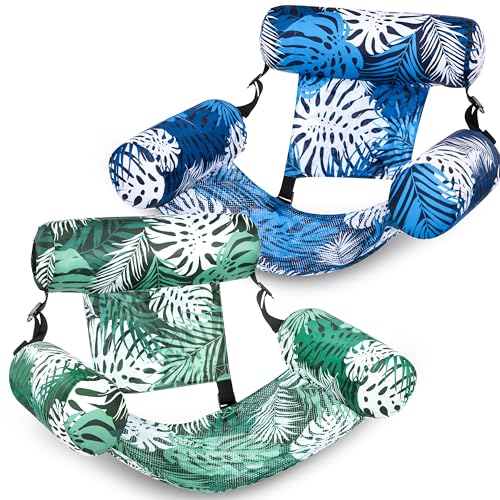
Floating pool chairs are buoyant seating devices designed to support a person comfortably on the water's surface. Unlike simple inflatable rings, they typically feature a backrest, armrests, and sometimes leg supports that allow you to recline or sit upright while floating. They are used in swimming pools, calm lakes, and lazy rivers.
Modern floating pool chairs come in several formats: inflatable loungers, mesh-seat floats, foam-core chairs, and hybrid designs that combine rigid frames with inflatable buoyancy chambers. Each format has distinct trade-offs in stability, portability, and durability.
Types of Floating Pool Chairs
Understanding the main categories helps you narrow down the right model for your needs. Below is a comparison of the most common styles.
Inflatable Loungers
The most popular category. These rely on air chambers for buoyancy and typically offer a reclined seating position. Best for calm pool environments and casual relaxation.
Essential TierMesh-Seat Floats
Feature a fabric or mesh seat suspended within an inflatable or foam ring. The mesh allows water to pass through, keeping you cool. Great for hot climates.
Balanced TierFoam-Core Chairs
Use closed-cell foam for permanent buoyancy — no inflation required. More durable and puncture-resistant, though bulkier to store.
Mid-TierHybrid Frame Floats
Combine a rigid or semi-rigid frame with inflatable or foam buoyancy. Offer the best stability and upright seating, often with cup holders and storage.
Premium TierKey Factors When Choosing a Floating Pool Chair
Use this checklist to evaluate any model you're considering. Each factor directly affects comfort, safety, and longevity.
1. Buoyancy and Weight Capacity
Every floating chair has a buoyancy rating that correlates with maximum weight support. Entry-level inflatables typically support lighter loads, while mid-range and premium models are engineered with wider air chambers and reinforced seams to support higher weights. Always check the manufacturer's stated capacity and leave a margin of safety.
2. Material Quality and Thickness
Material thickness is measured in gauge or millimeters. Thicker PVC or TPU materials resist punctures and UV degradation far better than thin vinyl. Premium models often use multi-layer construction with UV-resistant coatings. If you plan to use the chair frequently, invest in a model with reinforced seams and high-grade material.
3. Stability and Seating Geometry
A stable chair has a wide base and a low center of gravity. Chairs with armrests and a defined backrest provide better balance than simple flat loungers. For older users or children, look for models with dual air chambers and a broad footprint. Hybrid frame floats are the most stable category.
4. Comfort Features
Look for ergonomic backrests, padded seats, cup holders, and headrests. Mesh seats keep you cool, while fabric covers add comfort. Some high-end models include sunshades or footrests. Comfort features often justify moving up a tier.
5. Portability and Storage
Inflatable chairs deflate and fold compactly, making them ideal for travel and small storage spaces. Foam-core chairs are bulkier but require no inflation. Consider how you'll store the chair during off-season — a deflated inflatable takes minimal space, while foam models need a dedicated area.
6. Durability and UV Resistance
Sun exposure is the primary cause of material degradation. UV-resistant coatings and fade-resistant colors extend lifespan significantly. Mid-tier and premium models typically use UV-stabilized materials. Rinsing after each use and storing in shade further prolongs the chair's life.
7. Safety Certifications
Reputable manufacturers comply with safety standards for inflatable pool products. Look for models with clearly labeled safety valves, non-toxic materials, and age recommendations. Floating pool chairs are not life-saving devices and should never be used as substitutes for life jackets.
Floating Pool Chair Categories at a Glance
Use this table to compare the main categories by their typical characteristics. Descriptors reflect relative market positioning, not absolute values.
| Category | Best For | Stability | Durability | Portability |
|---|---|---|---|---|
| Inflatable Loungers | Casual pool relaxation | Moderate | Moderate | High |
| Mesh-Seat Floats | Hot climates, cooling | Moderate | Moderate | High |
| Foam-Core Chairs | Frequent use, lakes | High | High | Low |
| Hybrid Frame Floats | Upright seating, families | Very High | Very High | Moderate |
Safety Considerations for Floating Pool Chairs
While floating pool chairs are designed for leisure, safety should always come first. Keep these guidelines in mind:
- Supervision: Children and inexperienced swimmers should always be supervised by a responsible adult when using floating chairs.
- Not a life-saving device: Floating chairs are recreational items and should never replace life jackets or proper flotation devices.
- Pool conditions: Use chairs in calm water. Avoid using them in rough water, near pool drains, or in areas with strong currents.
- Weight limits: Respect the manufacturer's stated weight capacity to prevent tipping or material failure.
- Inspection: Check for leaks, weak seams, or valve damage before each use. Repair or replace damaged chairs promptly.
- Chemical exposure: Chlorine and saltwater can degrade materials over time. Rinse with fresh water after each use.
Care and Maintenance Tips
Proper maintenance extends the life of your floating pool chair and keeps it looking fresh. Follow these simple steps:
After Each Use
Rinse with fresh water to remove chlorine, salt, and debris. Dry thoroughly in the shade before deflating or storing.
Deflation and Folding
Deflate completely and fold along original crease lines to prevent stress on seams. Store flat or loosely rolled.
Off-Season Storage
Store in a cool, dry place away from direct sunlight. Avoid storing on concrete or in areas with sharp objects.
Repairs
Use manufacturer-recommended patch kits for minor punctures. For larger damage, consult a professional repair service.
Why PatioFocus?
PatioFocus is dedicated to helping homeowners make informed decisions about outdoor living products. Our guides are researched and written to provide clear, practical advice without bias. We focus on the factors that matter most — durability, safety, comfort, and long-term satisfaction — so you can choose the right product the first time.
Whether you're looking for a floating pool lounger for lazy afternoons or exploring floating chairs for family fun, our guides cover the essentials. If you're also outfitting your wider outdoor space, explore our resources on fire pits, fire pit seating, and garden fountains to complete your backyard retreat.
Frequently Asked Questions
What is the difference between a floating pool chair and a pool float?
A pool float is a broad term for any buoyant recreational item, while a floating pool chair specifically refers to a float with a defined seat and backrest designed for upright or semi-upright relaxation.
Can floating pool chairs be used in saltwater pools?
Yes, but saltwater can accelerate material degradation. Rinse thoroughly with fresh water after each use and choose models with UV-resistant, saltwater-safe materials. Premium tier models are typically the most resistant.
How long do floating pool chairs last?
Lifespan depends on material quality and care. Entry-level inflatables may last one to two seasons with regular use, while premium and high-end tier models with proper maintenance can last several seasons.
Are floating pool chairs comfortable for extended lounging?
Yes, models with ergonomic backrests, padded seats, and footrests are designed for extended use. Mesh-seat floats keep you cool during long sessions, while hybrid frame floats offer the most support.
How do I choose the right size floating pool chair?
Consider the user's height and weight, pool size, and intended use. Larger chairs provide more stability but require more storage space. Always check the manufacturer's weight capacity.