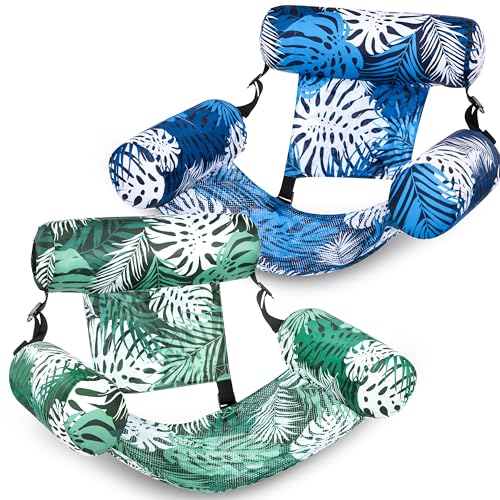
Floating Pool Lounger: The Complete Buyer's Guide
Everything you need to know before choosing a pool float — from inflatable and foam designs to fabric-covered loungers. Compare materials, features, and styles to find the perfect float for your pool days.
Explore the GuideWhy a floating pool lounger matters: A well-chosen lounger transforms pool time from a quick dip into genuine relaxation. The right float supports your body comfortably, holds up to sun and chlorine, and stays stable while you read, nap, or drift. This guide walks you through every decision — material, shape, capacity, and care — so you can buy with confidence.
What Is a Floating Pool Lounger?
A floating pool lounger is a buoyant seat or recliner designed for use in swimming pools, lakes, and calm water. Unlike a simple ring float, a lounger typically offers back support, leg elevation, and a reclined position that lets you relax partially submerged or fully above the water. Modern loungers come in three main constructions: air-filled inflatable vinyl, solid foam covered in fabric, and hybrid designs that combine foam core with inflatable headrests or armrests.
These floats serve a range of pool users — from adults who want a stable reading platform to families looking for durable, kid-friendly options. Understanding the differences between types is the first step toward a purchase you will not regret.
Types of Floating Pool Loungers
Each construction type has distinct strengths. Use the comparison below to match the lounger to how you actually use your pool.
Inflatable Vinyl Loungers
Air-filled chambers give these loungers a soft, cushioned feel and easy portability. Premium models use thick multi-layer vinyl with UV-resistant coatings and reinforced seams. They pack down small for storage and are the most common style for residential pools. Best for adults who want comfort and adjustability, and for households that need to store floats seasonally.
Foam Pool Loungers
Solid foam cores wrapped in fabric or coated vinyl require no inflation and cannot puncture. They are the most durable option and hold their shape indefinitely. Foam loungers are heavier and take up more storage space, but they offer unmatched reliability. Best for families, frequent swimmers, and anyone tired of patching leaks.
Fabric-Covered Hybrid Loungers
These combine a foam or inflatable core with a removable, washable fabric cover. The fabric improves comfort against the skin and adds a premium look. Many hybrid models include headrests, cup holders, and mesh seating that lets water drain. Best for buyers who want a refined feel and easier cleaning.
Chair-Style & Suspension Loungers
Designed to keep your torso elevated above the water, these floats resemble pool chairs with backrests and armrests. They suit people who prefer to sit upright, read, or socialize rather than recline fully. Some suspension designs use mesh seats that contour to the body. Best for social pool settings and shallow-water use.
Key Features to Evaluate Before You Buy
Weight Capacity and Dimensions
Always check the manufacturer's stated weight capacity and recommended user height. A lounger that is too small will sit low in the water and feel unstable. Standard adult loungers typically run 60 to 70 inches in length, while compact chair-style floats suit smaller pools and spas. If multiple people will share the float, choose a model with a higher capacity rating and a wider footprint.
Material and Construction Quality
For inflatables, look for multi-layer vinyl, heat-welded or reinforced seams, and UV-resistant coatings. For foam, check whether the core is closed-cell (which resists waterlogging) and whether the cover is removable and washable. Fabric covers made from solution-dyed acrylic or polyester resist fading and mildew better than untreated fabrics. A well-specified lounger in the mid-range tier often lasts several seasons longer than an entry-level model.
Stability and Buoyancy Distribution
Buoyancy is not just about how high you float — it is about how evenly the float supports you. Loungers with wider beams and multiple air chambers distribute weight better and reduce the tipping risk when you shift position. Foam loungers are naturally stable because the buoyancy is uniform across the body. If you plan to use the float in a lake or gentle waves, prioritize a wider, lower-profile design.
Comfort Features
Look for ergonomic backrests, elevated leg rests, and headrests that support the neck. Cup holders, mesh drainage panels, and built-in handles are practical additions that improve the experience. Removable covers make cleaning far easier, especially in chlorinated water.
Portability and Storage
Inflatable loungers deflate and fold into a small footprint — ideal for apartments and seasonal storage. Foam loungers are bulky and need hanging or shelving space. Consider where you will store the float during winter and whether you need to carry it to a shared pool or beach.
Comparison: Lounger Types at a Glance
| Tier / Type | Best For | Durability | Storage |
|---|---|---|---|
| Entry-level inflatable | Occasional use, small pools | Moderate — single-layer vinyl | Compact, easy to deflate |
| Mid-range inflatable | Regular adult use, comfort seekers | Good — multi-layer vinyl, welded seams | Compact, folds flat |
| Premium inflatable | Frequent use, luxury feel | High — thick vinyl, UV coating, reinforced seams | Compact with carry bag |
| Foam lounger | Families, long-term reliability | Very high — puncture-proof core | Bulky, needs wall space |
| Fabric-covered hybrid | Comfort-focused buyers, easy cleaning | High — removable washable cover | Moderate — depends on core |
| Chair-style / suspension | Socializing, upright seating | Moderate to high — varies by frame | Compact to moderate |
Note on tiers: "Entry-level" describes the most basic construction in a category; "mid-range" adds reinforced materials and comfort features; "premium" represents the highest-grade materials and build quality available in that style. These descriptors reflect relative market position and are not tied to any specific figure.
What to Look For in a Floating Pool Lounger
- Weight capacity that exceeds your body weight: A comfortable margin keeps the lounger stable and prevents it from sitting too low in the water.
- UV-resistant materials: Chlorine and sunlight break down untreated vinyl and fabric quickly. Look for UV-stabilized coatings and solution-dyed fabrics.
- Reinforced seams and multiple air chambers: Multiple chambers add safety and stability; reinforced seams extend the life of an inflatable float significantly.
- Non-slip seating surface: A textured or fabric-covered seat keeps you from sliding when the float is wet.
- Drainage and airflow: Mesh panels and drainage holes prevent water pooling on the seat and help the float dry faster.
- Easy repair and replacement parts: Inflatable models should come with a repair patch. For foam floats, check whether replacement covers are available.
- Storage-friendly design: Deflate valves, carry handles, and included storage bags make off-season storage much simpler.
Care & Maintenance Tips
Proper care extends the life of any pool lounger, regardless of tier. Rinse the float with fresh water after every use to remove chlorine and salt. Dry it completely before storing — trapped moisture encourages mold on fabric covers and degrades vinyl. Deflate inflatable models partially and store them flat in a cool, shaded place. Foam loungers should be stored out of direct sunlight to prevent fading and surface cracking. For hybrid models, remove and wash the fabric cover according to the manufacturer's instructions.
For more on keeping outdoor furniture and accessories in top condition, see our guide to outdoor furniture cleaners.
Ready to Find Your Perfect Pool Float?
Browse our curated selection of floating pool loungers and compare the top-rated options for your pool.
View Recommended LoungersFrequently Asked Questions
What is the most durable type of floating pool lounger?
How do I choose the right size floating pool lounger?
Are floating pool loungers safe for children?
How do I maintain and store a floating pool lounger?
Can floating pool loungers be used in saltwater pools?
Related Reading
If you are setting up your pool area for maximum relaxation, you may also enjoy our guides to floating chairs and folding chairs for laying out in the sun. For backyard lounging beyond the pool, explore our floor lounge chair recommendations and folding lounge chairs for flexible outdoor seating.
For broader outdoor comfort, see our folding beach lounge chair guide and folding chaise lounge options — both are excellent complements to a pool lounger setup.