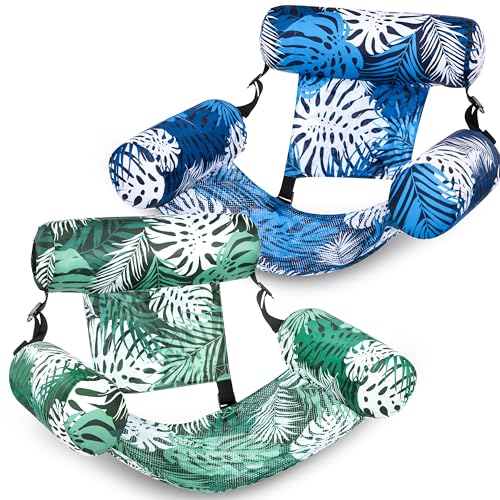
Floating Chairs: The Complete Buying Guide for Pool & Lake
Everything you need to choose a floating chair that fits your water, your body, and the way you relax. Compare foam and inflatable designs, buoyancy ratings, and comfort features before you buy.
Explore Top PicksWhy floating chairs deserve a careful look: A floating chair is more than a pool toy. It is a comfort system that keeps your head above water, supports your back, and lets you stay in the pool or lake for hours without fatigue. The wrong float tips, deflates, or burns your skin. The right one becomes the centerpiece of every summer afternoon. This guide breaks down the categories, materials, and features so you can buy with confidence.
What Are Floating Chairs and Who Are They For?
Floating chairs are buoyant seats designed to keep a person afloat in calm water while providing back, arm, and leg support. Unlike a simple pool noodle, a floating chair is engineered to hold your body in a relaxed seated or reclined position. They are popular with pool owners, lake house residents, and anyone who wants to socialize or read on the water without constant swimming.
These floats suit a wide range of users: adults who want a shaded reading spot, families who need a stable seat for kids, and seniors who prefer gentle, low-impact water relaxation. If you are outfitting a broader backyard water area, you may also want to pair a float with a garden fountain for ambiance or browse outdoor living ideas to tie the whole space together.
The Main Types of Floating Chairs
Floating chairs fall into a few clear categories. Each one has a different balance of durability, portability, and comfort. The descriptors below use a consistent tier system so you can compare models without relying on numeric figures.
Foam Pool Floats
Solid foam cores that cannot puncture and need no inflation. They are the most durable option and hold their shape season after season.
Long-term investment tierInflatable Floating Chairs
Air-filled PVC or vinyl seats that pack flat and inflate in minutes. Feature-rich designs often include cup holders and headrests.
Portable mid-tierFloating Pool Loungers
Reclined, full-body floats with a backrest and leg support. Ideal for sunbathing and long reading sessions on calm water.
Comfort-focused tierFloating Pool Chairs with Canopy
Seats with a built-in shade or umbrella attachment. Best for bright afternoons and sensitive skin.
Premium feature tierMesh-Bottom Water Chairs
Seats with a breathable mesh base that lets water flow through. They stay cooler and drain instantly when you lift them out.
Essential tierFloating Chair with Armrests
Structured arm supports and a higher back for users who want a more upright, stable seated position.
Balanced tierFloating Chair Comparison: Which Tier Fits You?
The table below compares the main categories by construction, best use, and market position. Use the tier column as a universal guide rather than a numeric figure.
| Type | Construction | Best For | Tier |
|---|---|---|---|
| Foam float | Solid closed-cell foam, often vinyl-coated | Frequent use, families, rough handling | Long-term investment tier |
| Inflatable chair | PVC or vinyl with air chambers | Travel, small storage, occasional use | Portable mid-tier |
| Floating lounger | Foam or inflatable with reclined back | Sunbathing, reading, long sessions | Comfort-focused tier |
| Canopy float | Inflatable with shade attachment | Bright sun, sensitive skin, kids | Premium feature tier |
| Mesh water chair | Suspended mesh seat with float frame | Hot climates, quick drying | Essential tier |
| Armrest float | Structured foam or inflatable with arms | Upright seating, socializing | Balanced tier |
Materials: What Makes a Floating Chair Last
The material determines how long a float survives sun, chlorine, and storage. Three families dominate the market:
Closed-Cell Foam
Closed-cell foam does not absorb water and resists punctures. It is the benchmark for durable construction. A quality foam float can last several seasons with basic rinsing and shade storage. Vinyl coating adds UV resistance and a smooth surface that is easy to wipe down.
PVC and Vinyl
Inflatable floats use PVC or heavy-gauge vinyl. Thicker gauges resist tears and hold air longer. Look for reinforced seams and a double-welded valve. These materials are lighter and pack smaller, but they require careful storage away from sharp edges and extreme heat.
Fabric and Mesh
Mesh seats and fabric covers improve breathability and comfort. They dry quickly and reduce skin irritation. Fabric components should be UV-treated to prevent fading and weakening over a single season.
Buoyancy, Weight Capacity, and Safety
Buoyancy is the single most important safety factor. Every float should state a weight capacity. Entry-level floats usually support around 150 to 200 pounds. Mid-range models commonly reach 250 pounds, while premium and commercial-grade floats can exceed 300 pounds. Choose a float rated well above your body weight so it stays stable when you shift position.
Stability matters as much as raw capacity. A wide base and low center of gravity prevent tipping. Armrests and a defined seat help you stay centered. For children or weaker swimmers, always pair a float with adult supervision and a properly fitted life jacket.
- Check the stated capacity before every purchase.
- Prefer wider bases for older users and children.
- Avoid open water and strong currents with any recreational float.
- Rinse after each use to remove chlorine and salt.
Features That Actually Improve the Experience
Feature lists can be long, but only a few features change daily comfort. Prioritize these:
- Cup holder: keeps drinks upright and reduces spills.
- Headrest: supports the neck during long lounging sessions.
- Armrests: improve stability and make it easier to sit up.
- Canopy or shade: protects against direct sun.
- Mesh seat: keeps the seat cool and drains water fast.
- Quick-release valve: speeds up deflation and storage.
- Tether point: lets you anchor the float near a dock or ladder.
If you plan to use your float alongside other backyard seating, consider how it stores and moves. A foldable outdoor chair or a floor lounge chair can complement a poolside setup, while a floating pool lounger covers the full-body relaxation niche.
How to Choose the Right Floating Chair
- Match the float to the water. Pools favor compact inflatables and mesh chairs. Lakes favor foam floats with higher buoyancy.
- Set a comfort tier. Decide whether you need an entry-level seat for occasional use or a premium lounger for daily relaxation.
- Measure your storage. Inflatables pack flat; foam floats need wall space or a hook.
- Check the capacity. Buy above your body weight for stability and safety.
- Plan for sun and heat. UV-resistant materials and light colors stay cooler.
- Think about the group. Families often need a mix of adult loungers and smaller, stable seats for kids.
For related poolside and patio planning, review our guides on floating pool chairs and floating pool loungers. If your water area connects to a patio, our outdoor care section covers cleaning and storage best practices.
Care and Storage for a Longer-Lasting Float
Proper care doubles the usable life of any float. Rinse with fresh water after every use to remove chlorine, salt, and sunscreen residue. Dry fully in the shade before storage to prevent mold. Deflate inflatables partially for storage so seams are not under constant stress. Keep foam floats out of direct sun when not in use, because UV exposure breaks down coatings over time.
Store floats away from sharp tools, pets, and hot surfaces. A simple wall hook or a ventilated bin works well. Inspect valves and seams at the start of each season and repair small punctures promptly with a manufacturer-approved patch kit.
Frequently Asked Questions
What are floating chairs best used for?
Floating chairs are designed for relaxed lounging in pools, lakes, and calm water. They keep you buoyant and comfortable so you can read, socialize, or simply soak up the sun without treading water.
Are foam or inflatable floating chairs better?
Foam floats are more durable and puncture-proof, making them a long-term investment. Inflatable floats are lighter, easier to store, and often more feature-rich. The right choice depends on how often you use them and how much storage space you have.
How much weight can floating chairs support?
Weight capacity varies by model. Entry-level floats typically support around 150 to 200 pounds, while premium and commercial-grade floats can support 250 to 350 pounds or more. Always check the manufacturer's stated capacity before use.
Can floating chairs be used in the ocean?
Some floating chairs are suitable for calm ocean water, but they are not designed for waves or strong currents. Always use them close to shore and never in open water or rough conditions.
Ready to Find Your Perfect Float?
Browse our curated selection of floating chairs and compare features, tiers, and comfort options side by side.
View Recommended Floating ChairsRelated Outdoor & Poolside Guides
Explore more ideas to complete your water and patio setup:
- Floating pool chairs — compact seats for pool use.
- Floating pool loungers — full-body reclined floats.
- Floor lounge chairs — indoor-outdoor low seating.
- Foldable outdoor chairs — portable seating for decks.
- Foldable chair table — compact poolside side tables.
- Fire pits — evening warmth after a day in the water.
- Outdoor lighting — set the mood around the pool.
- Garden fountains — add the sound of moving water.
- Outdoor rugs — define poolside lounging zones.
- Garden benches — shaded seating near the water.