HDPE Outdoor Furniture: The Complete Guide
Everything you need to know about high density polyethylene outdoor furniture — durability, weather resistance, styles, care, and how to choose the right pieces for your patio.
START EXPLORINGWhy HDPE Matters: High density polyethylene (HDPE) has become one of the most trusted materials for outdoor furniture. It resists moisture, UV rays, and temperature swings, making it an excellent long-term choice for homeowners who want low-maintenance, durable patio pieces. This guide covers everything from material science to styling so you can decide with confidence.
What Is High Density Polyethylene (HDPE) Outdoor Furniture?
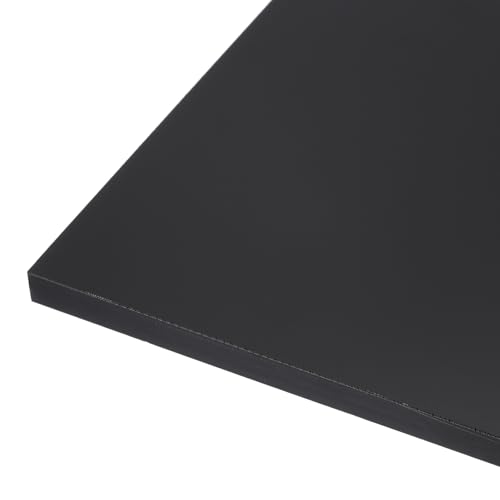
HDPE outdoor furniture is crafted from high density polyethylene, a thermoplastic polymer known for its strength, density, and resistance to environmental stress. Often referred to as poly lumber or recycled plastic lumber when used in furniture, HDPE is shaped into planks, boards, and molded components that mimic the look of wood while offering superior durability.
Unlike traditional wood, HDPE does not absorb water, which means it will not rot, warp, or splinter over time. Unlike metal, it will not rust or corrode. These properties make HDPE a leading material for patios, decks, gardens, and poolside areas where exposure to moisture and sun is constant.
Many manufacturers use recycled HDPE, giving new life to post-consumer plastics and reducing environmental impact. This makes HDPE an appealing option for eco-conscious buyers who also want a durable product. If you are comparing materials, our guide to high-quality outdoor furniture offers broader context on what makes an outdoor piece worth investing in.
Key Features of HDPE Outdoor Furniture
Weather Resistance
HDPE resists rain, humidity, and UV exposure. It does not absorb moisture, so it stays stable through seasonal changes.
Low Maintenance
Cleaning typically requires only soap, water, and a soft brush. No sealing, staining, or painting is necessary.
Durability
HDPE is impact-resistant and does not splinter, crack, or rot, making it suitable for high-traffic outdoor areas.
Eco-Friendly Options
Many HDPE pieces use recycled plastic, reducing waste and supporting sustainable manufacturing practices.
Color Stability
Premium HDPE often includes UV stabilizers and color pigments that resist fading better than many alternative materials.
Comfort & Design
HDPE can be molded into ergonomic shapes and styled to resemble wood grain, offering both comfort and aesthetic appeal.
Pros and Cons of HDPE Outdoor Furniture
Advantages
- Does not rot, splinter, or absorb water
- Highly resistant to insects and pests
- Requires minimal maintenance over its lifespan
- Withstands sun, rain, and temperature fluctuations
- Often made from recycled materials
- Long-term investment with reliable performance
- Available in many colors and wood-grain finishes
Considerations
- Can be heavier than some alternative materials
- May expand slightly in extreme heat
- Initial positioning in the market varies by tier
- Less traditional feel compared to natural wood
- Color options depend on manufacturer
- Requires a sturdy base due to weight
HDPE Furniture Tiers: Entry-Level to Commercial-Grade
HDPE outdoor furniture is available across several market positions. Understanding these tiers helps you match the product to your intended use and expectations. Below is a general classification based on construction quality, material thickness, hardware, and finish.
| Tier | Best For | Key Characteristics |
|---|---|---|
| Entry-Level | Occasional use, small patios | Thinner HDPE profiles, basic hardware, limited color range, suitable for light residential use. |
| Mid-Range | Everyday residential use | Improved thickness, better UV stabilization, smoother finish, and more color options. |
| Premium | Frequent use, exposed locations | High-grade HDPE, reinforced joints, stainless hardware, and refined wood-grain textures. |
| Luxury / High-End Tier | Design-focused outdoor spaces | Superior finish, custom colors, ergonomic design, and exceptional build quality. |
| Commercial-Grade | Public spaces, hospitality | Heavy-duty HDPE, industrial hardware, maximum durability, designed for continuous use. |
When comparing tiers, higher-tier models generally offer smoother mechanisms, tighter joinery, and better color retention over time. For a broader look at premium outdoor furniture options, see our overview of high-end outdoor furniture.
Popular HDPE Outdoor Furniture Styles
HDPE furniture is available in a wide range of styles to match different outdoor design preferences:
Adirondack Chairs and Rockers
HDPE Adirondack chairs are a classic choice for porches, lawns, and patios. The material allows for the wide armrests and slatted back that define the style, while ensuring the chair remains weather-resistant. If you enjoy the motion of a rocker, an high back rocking chair in HDPE offers comfort and durability.
Dining Sets
HDPE dining tables and chairs work well for outdoor meals because the material does not swell or warp with moisture. Many sets include umbrella holes and are designed to pair with weather-resistant cushions. For elevated seating, consider a high top patio dining set with fire pit or a high top outdoor dining table.
Loungers and Benches
HDPE benches and loungers bring durability to poolside and garden areas. The material's resistance to chlorine and saltwater makes it a smart choice for pool environments. Pair HDPE seating with comfortable high back patio chair cushions set of 4 for added comfort.
Swivel and Rocker Chairs
HDPE can be engineered into swivel rockers and motion chairs. A high back swivel rocker patio chairs with cushions combines the durability of HDPE with the comfort of motion seating.
How to Maintain HDPE Outdoor Furniture
HDPE is one of the easiest outdoor furniture materials to maintain. Follow these simple practices to keep your pieces looking their best:
- Routine Cleaning: Use mild soap, warm water, and a soft-bristle brush. Rinse thoroughly and dry with a clean cloth.
- Stubborn Marks: A diluted vinegar solution or a non-abrasive cleaner can help. Avoid harsh chemicals and abrasive pads.
- Seasonal Rinse: Periodically rinse furniture to remove pollen, dust, and debris that can accumulate in crevices.
- Hardware Checks: Occasionally check screws and bolts for tightness, especially after temperature changes.
- Storage: While HDPE is weather-resistant, covering furniture during extended off-seasons can help preserve its finish.
For a deeper dive into weatherproofing all types of outdoor furniture, our weatherproofing guide is a useful companion.
How to Choose HDPE Outdoor Furniture
Before purchasing HDPE furniture, consider the following factors to ensure you select pieces that fit your space and lifestyle:
1. Assess Your Space
Measure your patio, deck, or garden area to determine the right size and scale for furniture. HDPE pieces can be substantial, so ensuring proper clearance around walkways and doors is important. If space is limited, compact options like a high top bistro table and 2 chairs can be a practical choice.
2. Consider Your Climate
HDPE performs well in most climates, but if you live in an area with extreme temperature swings, look for premium or commercial-grade HDPE with UV stabilizers and reinforced construction.
3. Match Your Style
HDPE comes in traditional wood-grain finishes, modern solid colors, and textured surfaces. Choose a style that complements your home's exterior and your outdoor decor.
4. Check Construction Quality
Look for tight joinery, stainless or coated hardware, and consistent color throughout the material. Higher-tier pieces often have smoother edges and more robust assembly.
5. Plan for Comfort
Pair HDPE seating with appropriate cushions. For larger seating arrangements, a high back patio chair cushions set of 6 or a set of 8 can outfit a complete dining set.
Ready to Explore HDPE Furniture Options?
Browse our recommended HDPE outdoor furniture products below to find the right fit for your patio.
VIEW RECOMMENDATIONSFrequently Asked Questions About HDPE Furniture
Is HDPE furniture truly weatherproof?
HDPE is highly weather-resistant and does not absorb moisture, rot, or splinter. It withstands rain, sun, and temperature fluctuations well, though extreme heat may cause slight expansion and very cold conditions can make it more rigid. Quality HDPE furniture with UV stabilizers performs excellently across seasons.
How long does HDPE outdoor furniture last?
Well-made HDPE furniture is a long-term investment, often lasting many years with minimal care. Premium and commercial-grade HDPE pieces can endure for decades, while entry-level and mid-range options typically provide reliable service for many seasons with proper maintenance.
Does HDPE furniture get hot in the sun?
HDPE tends to stay cooler than metal furniture in direct sunlight, though light-colored options absorb less heat than dark colors. Placing furniture in shaded areas or using cushions can enhance comfort during peak summer heat.
Can HDPE furniture be recycled?
Yes, HDPE is highly recyclable and many outdoor furniture pieces are made from recycled plastic, making it an eco-friendly choice. At the end of its life, HDPE furniture can often be recycled again, supporting a circular economy.
How do I clean HDPE patio furniture?
Routine cleaning with mild soap, warm water, and a soft-bristle brush is usually sufficient. For stubborn marks, a diluted vinegar solution or a non-abrasive cleaner can be used. Avoid harsh chemicals and abrasive pads that may dull the finish.
Related Reading
Explore more of our outdoor furniture guides to make informed decisions:
- High-Quality Outdoor Furniture: What to Look For
- High-End Outdoor Furniture: Premium Options
- High-Quality Resin Wicker Patio Furniture
- High-Quality Wrought Iron Patio Furniture
- High Top Patio Sets: Elevated Outdoor Dining
- High Back Wicker Swivel Rocker Patio Chairs
- High Top Outdoor Table with Umbrella Hole
- Weatherproofing Guide for Outdoor Furniture