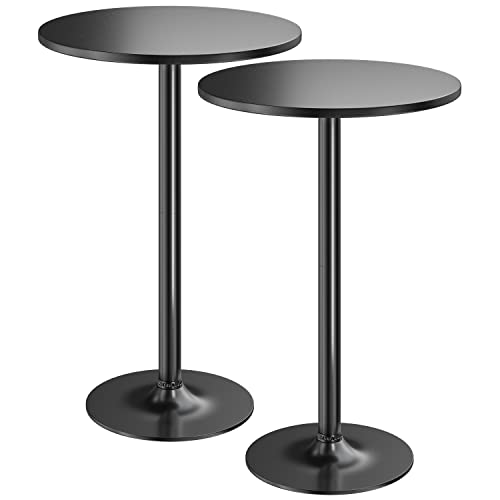
High Top Bistro Table and 2 Chairs: The Complete Outdoor Buying Guide
Everything you need to know before choosing a compact, elevated bistro set for a balcony, small patio, or courtyard — sizing, materials, stability, and long-term care explained clearly.
Start ReadingWhy a high top bistro set deserves your attention: A high top bistro table and 2 chairs delivers what many outdoor spaces need most — a usable surface, comfortable seating, and a footprint small enough to fit where a full dining set never could. The raised height puts drinks and snacks within easy reach while standing, and the two-chair pairing keeps the arrangement personal and uncluttered.
This guide walks through the decisions that matter most: how much clearance you need, which frame materials survive the elements, how to judge stability, and what separates an entry-level set from a premium one. By the end, you should feel confident matching a specific product to your space, your climate, and your daily habits.
What Defines a High Top Bistro Table and 2 Chairs Set?
A bistro set is a compact, casual seating arrangement built around a small table and a pair of chairs. When the table rises to bar or counter height — typically 36 to 42 inches — the set becomes a high top version. The chairs that accompany it are taller than standard patio chairs, with seat heights around 24 to 30 inches, and usually include a footrest so diners can sit comfortably without their legs dangling.
The format is deliberately narrow in scope: two seats, one small surface, and no extension leaves or extra modules. That simplicity is the point. A high top set works as a coffee perch in the morning, a laptop-and-notebook surface on a work-from-home afternoon, and a wine table in the evening without ever needing to be reconfigured. For a broader comparison of table-and-chair combinations in this category, the high top patio table and 2 chairs overview is a useful companion read.
How High Top Differs From Standard Bistro Sets
Standard bistro tables sit at conventional dining height, roughly 28 to 30 inches. The high top version changes the visual weight of the piece — it reads as a bar table and pairs naturally with stools or tall chairs. The trade-off is that a high top set demands slightly more vertical space around it, because seated users need room to climb onto and down from taller chairs, and because footrests can catch on low railings if the set is pushed too close to a balcony edge.
- Elevated table height: Bar height or counter height puts drinks at standing reach, which is handy when hosting informally.
- Two matching chairs: The fixed pairing keeps the visual footprint predictable and makes the set easy to tuck into a corner.
- Footrests on chairs: A structural necessity, not an accessory — they make longer sitting sessions comfortable at elevated seat heights.
- Compact footprint: Most sets occupy a footprint similar to a small armchair plus a side table, which is why they suit balconies and narrow patios.
Sizing and Clearance: Measuring Before You Commit
The most common mistake buyers make is measuring the table and forgetting to measure the activity around the table. A 28-inch round top looks tiny on a product page, but once two tall chairs are pulled out and occupied, the real footprint expands considerably. Plan for roughly a 5-foot by 5-foot clear zone as a working minimum, and aim for a bit more if either chair backs onto a wall, railing, or planter.
Tabletop Shapes and What They Suit
- Round tops (24–30 inches): The most space-efficient option. No corners to bump into, easy to walk around on a narrow balcony, and visually lighter than square tops.
- Square tops (24–30 inches): Slightly more usable flat surface for plates and glasses because the corners add area, but they can feel tighter in narrow corridors.
- Rectangular tops: Less common in two-seat high top sets, but useful when the table sits against a wall and the chairs face outward.
Chair seat height should be checked alongside table height. A comfortable relationship is roughly 10 to 12 inches of clearance between the seat and the underside of the tabletop. If the gap is much smaller, legs get pinched; if it is much larger, diners have to reach upward to use the surface. Sets sold as a matched pair usually get this right, which is one reason to buy the table and chairs together rather than mixing components. If you prefer a matching arrangement with a different table style, the high top outdoor table and 2 chairs collection shows how the pairing works across frame types.
Frame and Surface Materials: What Survives Outdoors
A bistro set lives outside, which means it faces sun, rain, temperature swings, and the occasional gust that tests every joint. Material choice is the single biggest predictor of how the set will look and behave after several seasons.
Powder-Coated Aluminum
Aluminum is the default frame material for mid-range and premium bistro sets because it is lightweight, does not rust, and takes a powder coating well. A properly applied powder coat resists chipping and keeps its color longer than painted finishes. The main limitation is that very lightweight aluminum can feel springy under a heavier sitter, so look for a reinforced frame with a solid build rather than the thinnest tube available.
High-Grade Steel and Wrought Iron
Steel brings heft and stability, which matters on windy balconies. The catch is corrosion: steel needs a rust-proof finish, and even then, chips in the coating should be touched up promptly. Wrought-iron sets offer a traditional look and excellent durability but are heavier to move. If an ornate look appeals to you, the high-quality wrought iron patio furniture guide covers finish types and care routines in more depth.
Resin Wicker and HDPE
Woven resin over an aluminum frame gives a warmer, more textured appearance and hides minor scuffs well. High-density polyethylene (HDPE) is the modern benchmark for weather resistance — it does not splinter, fade quickly, or absorb moisture. These sets tend to be mid-tier in durability terms, with premium woven versions lasting noticeably longer than thin entry-level weaves. For a deeper look at the material itself, see the HDPE outdoor furniture explainer.
Tabletop Surfaces
- Powder-coated metal: Easy to wipe clean and highly resistant to staining, but can get hot in direct sun.
- Tempered glass: Reflects light and feels airy, but needs care around wind and hard impacts.
- Slatted wood or composite: Warm under the hand and less prone to heat buildup, though wood requires periodic sealing.
- HPL or compact laminate: A practical mid-range choice that resists moisture and scratching without much maintenance.
Comparing Sets by Market Tier
Because this category spans a wide range of construction quality, it helps to sort products into tiers rather than thinking in terms of a single best option. The table below describes what each tier typically delivers so you can match the set to how hard you plan to use it.
| Tier | Typical Frame | Best For | Durability Outlook |
|---|---|---|---|
| Entry-Level | Lightweight aluminum or thin steel tube | Occasional use on a covered balcony or porch | Solid for sheltered spots; may need replacement sooner in exposed climates |
| Mid-Range | Reinforced aluminum with powder coating; HDPE or resin wicker | Regular daily use on an uncovered patio | Good value for its tier; resists weather well with basic care |
| Premium | Heavy-duty aluminum or high-grade steel with rust-proof finish | Year-round outdoor placement and frequent entertaining | Long-term investment; holds alignment and finish over many seasons |
| Luxury | Commercial-grade frames with premium materials and fittings | Design-forward patios and hospitality-style settings | Flagship-tier construction built to outlast the space it occupies |
Reading the Tiers Correctly
Higher tiers are not automatically the right answer. A premium set on a covered porch is a worthwhile investment; the same set on a balcony that gets salt spray and constant wind is still a good choice, but only if you are prepared to maintain it. Conversely, an entry-level set on a sheltered city balcony can deliver years of useful service. Match the tier to the exposure, not to a vague sense of what is "best."
Stability, Weight, and Wind
High top sets are top-heavy by design. The center of gravity sits higher than on a standard bistro set, so a light table combined with a windy balcony is a poor pairing. There are three practical checks to make before buying:
- Base weight and spread: A wider, heavier base resists tipping better than a slender pedestal. If the table has a central column, look for a base plate that extends well beyond the column's diameter.
- Chair stability: Tall chairs with splayed legs are more stable than chairs with narrow, vertical legs. A slight outward angle at the feet is a good sign.
- Joint construction: Bolted and welded joints both work, but check that connection points are reinforced. A set that wobbles when new will only get worse.
On exposed balconies, consider adding a weighted base or positioning the set against a wall where wind pressure is lower. If the set includes cushions, bring them inside during storms — wet cushions add weight unevenly and can distort the seat platform over time.
Comfort Details That Matter Day to Day
Comfort in a high top set comes down to a handful of small design decisions that are easy to overlook in photos but obvious after an hour of sitting.
- Footrest height and width: The footrest should sit at a height where your feet rest flat without your knees rising above hip level. A narrow bar is less comfortable than a broad one.
- Seat depth and back angle: Slightly reclined backs are more comfortable for long conversations than perfectly upright ones. Deep seats suit taller users; shallower seats suit smaller frames.
- Cushion attachment: Ties or straps keep seat pads from sliding. Removable, quick-drying covers are easier to maintain. If you are refreshing an existing set, the high back patio chair cushions set of 4 is a practical upgrade path.
- Armrests: Not universal on bistro chairs, but helpful for getting in and out of taller seats. Check that armrests clear the table edge when the chair is pushed in.
Swivel and Rocking Options
Some high top sets include swivel chairs, which make it easier to turn toward a view or step out of the chair without dragging it. Swivel mechanisms add moving parts and therefore maintenance points — a mid-range swivel will feel smoother than an entry-level one, and premium swivel bases are noticeably more refined. If the idea of turning in place appeals to you, the high top patio table with swivel chairs format is worth exploring before settling on a fixed-chair set.
Placement Scenarios and Space Planning
A high top bistro set is at its best when the space is tight and the goal is a single, reliable spot for casual seating. Below are the placement patterns that work most consistently.
Balconies and Small Patios
Push the table into a corner and angle the chairs toward the open side. This leaves a clear walking path along the railing and prevents chairs from blocking the door. Round tabletops are easier to slide into awkward corners than square ones.
Courtyards and Garden Nooks
These sets work well as destination seating — a spot at the end of a path or beside a planter. If the ground is uneven, check that all four chair legs make contact; a wobbling chair on soft ground is uncomfortable and eventually loosens the joints. A set with slightly splayed legs handles mild unevenness better than one with perfectly vertical legs.
Covered Porches
A sheltered porch is the easiest environment for any bistro set, and it opens the door to materials that would struggle in full exposure, such as wood-topped tables. The main consideration here is visual: a high top set on a deep porch can look undersized, so check proportions against nearby seating before committing.
If you want the same compact format with the option of shade, a high top patio table and chairs with umbrella adds a useful layer of flexibility for sunny afternoons.
Care and Maintenance Across Seasons
A bistro set is small enough that maintenance takes only a few minutes per month, but those minutes extend the useful life substantially.
- Weekly: Wipe the tabletop and chair arms with a damp cloth to remove pollen and dust before they bond to the finish.
- Monthly: Check bolts and tighten any that have loosened from normal use. Clean footrests, which collect grit that wears through coatings.
- Seasonally: Inspect the frame for chips or scratches and touch up with a matching coating. Wash cushions according to the manufacturer's instructions and let them dry fully before replacing them.
- Before winter: Cover the set or move it into a shed. If the set stays out, elevate the table feet slightly to prevent standing water from pooling around the base.
Aluminum frames need the least attention. Steel and iron frames benefit from an annual check for rust spots, especially at joints and welds. Wicker and HDPE can be rinsed with a hose and mild soap; avoid pressure washing, which can lift the weave.
Frequently Asked Questions
What is the typical height of a high top bistro table?
Most high top bistro tables stand between 36 and 42 inches tall, placing them at bar height or counter height. The matching chairs usually have seat heights of 24 to 30 inches, with a footrest to support comfortable seated posture.
How much floor space does a high top bistro table and 2 chairs require?
Plan for roughly a 5-foot by 5-foot clear area so the chairs can be pulled out and pushed back comfortably. Round tabletops of 24 to 30 inches in diameter fit the smallest balconies; square tops of similar size offer slightly more usable surface but need a little more room at the corners.
Which materials hold up best on an uncovered patio?
Powder-coated aluminum and high-grade steel with a rust-proof finish are the most forgiving on exposed patios. HDPE and resin wicker also perform well in wet climates, while solid wood tops need periodic sealing to stay stable through seasonal temperature swings.
Can a high top bistro set stay outside through winter?
Many mid-range and premium sets are built for year-round exposure, but the safest approach is to use a fitted cover during long stretches of freezing or wet weather. Moving the chairs indoors or into a shed extends the life of cushions and moving parts such as swivel mechanisms.
Is a high top bistro set a good choice for entertaining?
Yes, for small gatherings. The elevated surface works well for drinks, appetizers, and casual conversation, and the compact footprint lets hosts tuck the set into a corner. For full meals with more than two people, a larger dining arrangement is more practical. If your gatherings often center on a fire feature, the high top fire pit table and chairs format is a natural next step.
Ready to Narrow Down Your Options?
Use the sizing and material guidance above to shortlist a few sets that match your space and climate, then compare them side by side on the features that matter most: frame construction, footrest design, and surface type.
View Recommended Sets